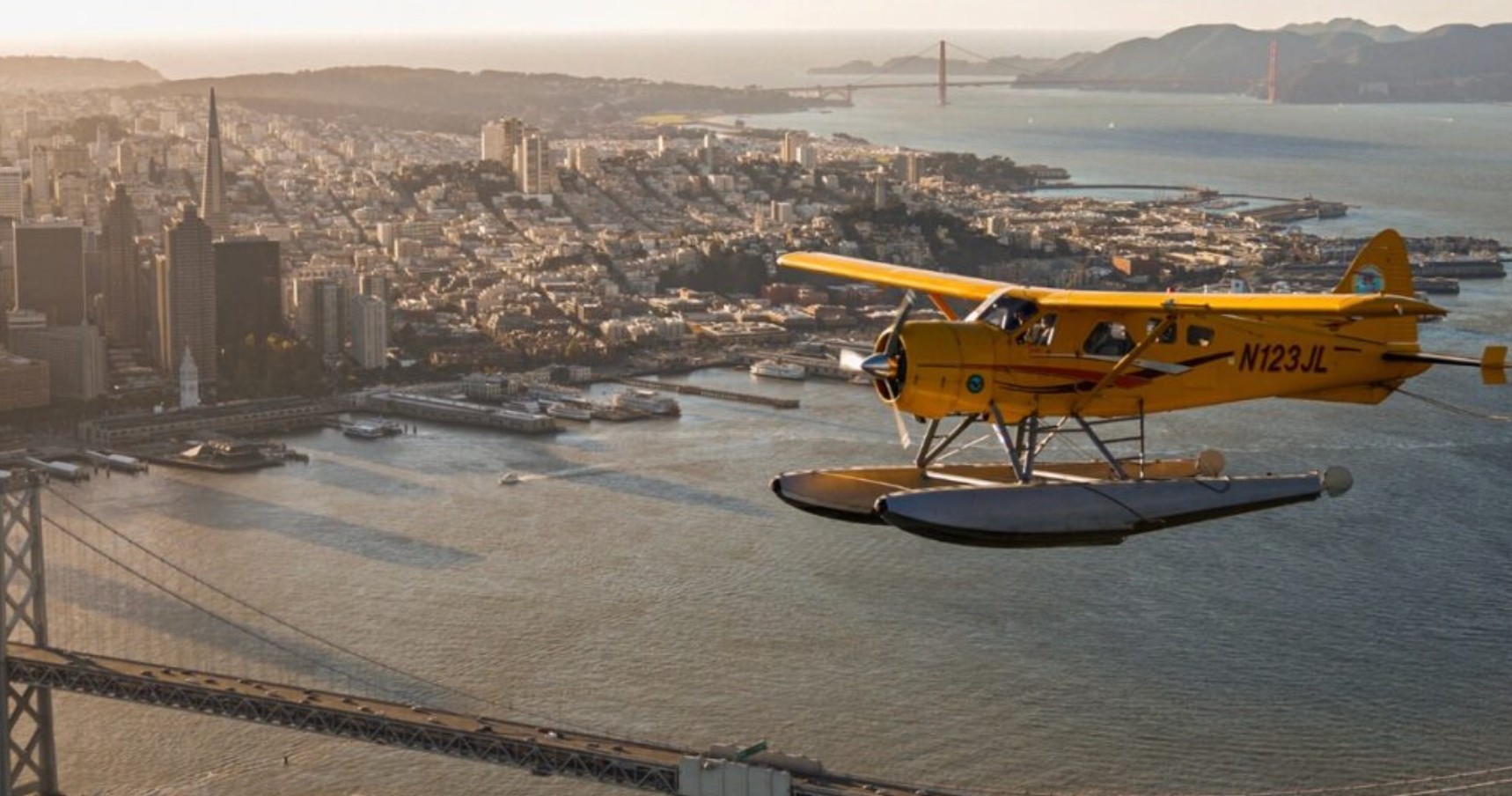
Why Belvedere Tiburon Is a Standout Airplane Destination
Belvedere Tiburon sits at an intersection of water, city, and wild coast that reads wonderfully from the air. Flying here is less about point A to point B and more about perspective: the coastline turns into a ribbon, the urban grid yields to open water, and small coves and islands reveal geological contours invisible from shore. For aviators and passengers alike the area offers a concentrated variety of terrain within a short flight—harbor cuts and sailboat fields, the steep green of the Marin Headlands, barrier beaches, and the dramatic vertical of the Golden Gate Bridge. That compactness means you can experience multiple moods in a single sortie: the quiet hush of a sunrise over Richardson Bay, the dynamic swirl of wind and waves by the headlands, and the crisp geometry of downtown San Francisco with the bridge as anchor.
These experiences split into a few broad types that travelers encounter around Belvedere Tiburon. Scenic circuits—typically 20 to 60 minutes—are the most common: they focus on iconic landmarks and photographic vantage points. Seaplane flights, launching from nearby harbors or protected bays, add the theatrical element of a water takeoff or landing and place you literally on the marine interface. Specialty flights—photography charters, sunset hops, and vintage or aerobatic demonstrations—are occasionally available regionally and can be tailored for groups or learning objectives. For many visitors, an airplane trip here is a supplement to a day on the water or a hike on the headlands: pair a morning flight with an afternoon ferry to Angel Island or a coastal walk to feel the contrast between airborne clarity and ground-level detail.
Practical considerations shape the experience. The Bay’s microclimate—marine layer, localized fog, and onshore wind—dictates visibility and scheduling; mornings and late afternoons often offer the most stable light and clearer air. Small aircraft and seaplanes are sensitive to weight, balance, and passenger comfort, so operators limit passenger counts and manage seating for optimal views. Because flights are short and views intense, packing light and preparing for wind and spray (for seaplanes) improves comfort. Safety and environmental stewardship also matter: operators follow noise abatement and wildlife-protection practices, and passengers should be mindful of shoreline habitats when exploring complementary activities ashore. Whether you seek a quick skyline thrill, a photographer’s canvas, or an introductory flight lesson, Belvedere Tiburon’s airplane offerings present a concentrated, scenic, and deeply Bay Area way to see the world from above.
The landscape density—urban landmarks, islands, and headlands—makes short flights hugely rewarding; you don’t need hours in the air to get striking vistas.
Seaplane options add tactile drama: the sound and feel of a water takeoff, and the unique approach angles that reveal hidden coves.
Weather windows matter. Local fog and onshore breezes can cancel or reroute flights with short notice; flexible scheduling helps.
Airplane trips pair well with boat outings, guided paddles, coastal hikes, and photography walks, making for a full-day exploration loop.