Why Big Coppitt Key is a Compelling Place to See Dolphins
The keys are a mosaic of shallow flats, winding mangrove channels, and nearby deeper cuts where currents bring baitfish close to shore. Around Big Coppitt Key, that mosaic produces repeatable dolphin behavior: social groups that cruise the edges of channels, individuals who investigate small-boat traffic, and mothers teaching calves how to hunt along seagrass beds. What makes Big Coppitt Key special is scale. This is not the crowd-cluttered observation corridor of a large harbor; it's a compact, human-sized coastline where guides can put you into the right water physics and light to watch dolphins behave naturally.
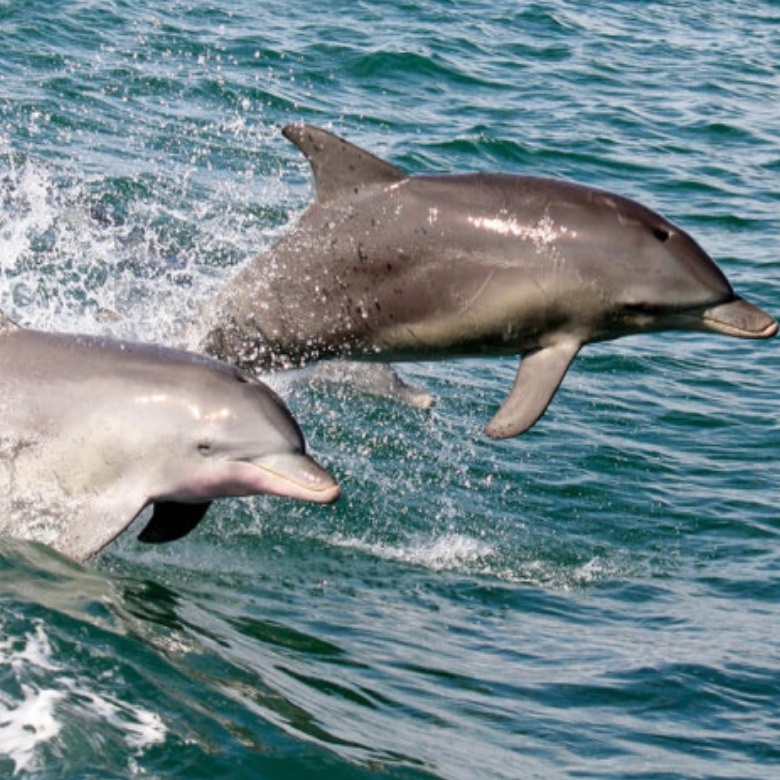
On a good morning you’ll watch small pods thread narrow tidal channels, surface in unison, and turn like a single organism to chase a bait ball. The salt-slicked backs and languid arcs are best appreciated from a low, quiet platform—a kayak or a small skiff—because the animals are often working close to shore and near mangrove shorelines. The area’s geomorphology matters: shallow flats warm quickly, concentrating fish; mangrove roots offer ambush points; and nearby deeper cuts support the prey that draws dolphins in. That proximity produces sightings that feel immediate and cinematic, and it also places responsibility on visitors and operators: this is habitat, not a photo backdrop.
Culturally and ecologically, dolphin experiences here are layered. Longtime anglers, local boaters, and tour operators share an understanding born of daily observation—when dolphins shift behavior, it’s often a signal of changes in tides, prey, or boat pressure. That local knowledge makes guided trips valuable. Guides translate subtle cues—how a pod splits, which channel they favor, whether they’re in foraging mode or social mode—into richer experiences for visitors while keeping interactions low-impact. Conservation context is never far from the surface: Florida’s coastal waters face pressures from development, runoff, and occasional harmful algae blooms, and responsible viewing helps fund and amplify protection efforts.
Practically, dolphin encounters in Big Coppitt Key are accessible to a wide range of travelers: families seeking a gentle morning excursion, photographers chasing soft light, paddlers wanting a wildlife-rich glide, and seasoned naturalists interested in social behavior. The variety of available formats—stand-up paddleboard, kayak, glass-bottom or shallow-draft skiff, and licensed charter—means you can match ambition to comfort. Plan around tide and wind, choose an eco-focused operator, and expect moments of real intimacy with wild dolphins—striking, teachable, and humbling—set against the uniquely Floridian architecture of mangrove roots and pale sand flats.
Small boats and shallow-draft platforms are the norm here—they reduce disturbance and increase sighting chances in tight mangrove channels.
Local guides emphasize passive observation and interpretation over interaction; many trips combine dolphin viewing with snorkeling, seabird watching, or flats fishing.
Seasonal shifts affect visibility and behavior: calmer winter mornings and spring tides often produce the most predictable viewing windows.