Top Snorkel Spots in Big Coppitt Key, Florida
Big Coppitt Key Snorkel Guide

Top Snorkel Spots in Big Coppitt Key, Florida

Big Coppitt Key sits on the quieter edge of the Lower Keys, a low-profile launchpad into the shallow patch reefs, grass flats, and mangrove-fringed bays that define snorkeling here. The activity is intimate: short boat runs to visible reef heads, calm inshore swims amid seagrass and juvenile gamefish, and shore-access coves for easy wading snorkels. This guide focuses on snorkeling specifically—how to choose sites by tide and wind, where shore access is realistic versus when a boat is necessary, and how to layer snorkeling trips with paddleboarding, glass-bottom boat excursions, and light-fishing charters.

Florida KeysFlorida Reef TractNear Key West

Live destination inventory

Top Snorkel Trips in Big Coppitt Key

119 trips · Book with confidence · Instant confirmation

The prototype intentionally does not invent replacement trip cards or add images that are not already part of the live source page.

The city from the water

Why Big Coppitt Key Is a Standout Snorkel Destination

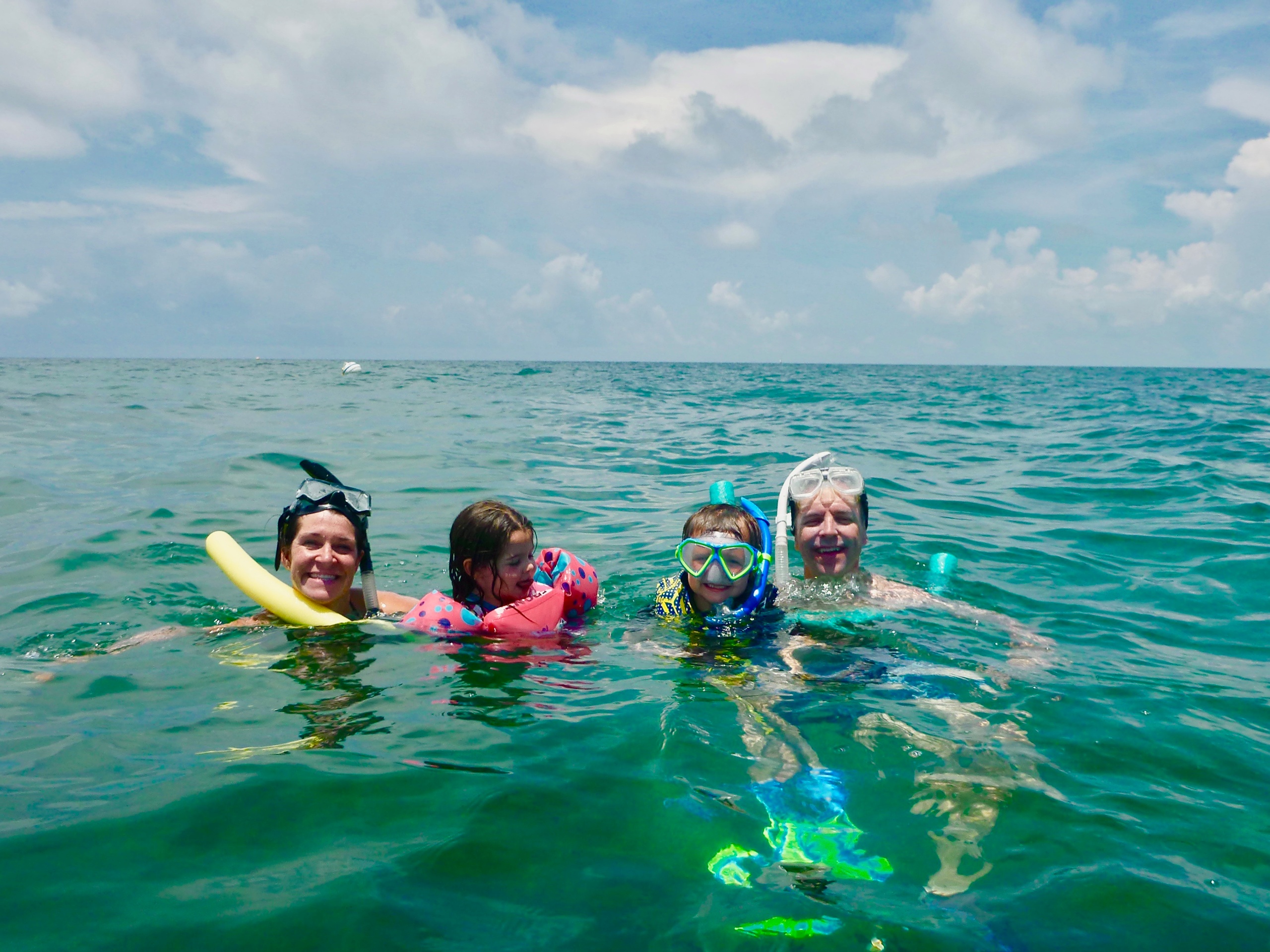
Big Coppitt Key is an unassuming hinge between the bustle of Key West and the broader sweep of the Lower Keys’ reef system. It’s not the place for long fringing walls or deep technical dives; it’s the place for up-close encounters: finger-sized corals peppering shallow ledges, clouds of cleaning wrasses darting around surgeonfish, and the slow, rolling presence of spiny lobsters probing crevices at dusk. The water here is sheltered by islands and keys, which means many snorkel outings can be short—twenty to thirty minute boat hops—from launch points along the southern side of the island. For travelers who prize accessible marine life viewing without a lengthy offshore run, Big Coppitt Key delivers a compact, easily managed reef experience that pairs well with morning paddle sessions, afternoon nature walks, or sunset cruises out of nearby harbors. The local snorkeling character is shaped by two realities: shallow reef heads and extensive seagrass flats. The reef heads—patchy, often less than 20 feet deep—host the colorful reef denizens visitors hope to see: parrotfish chewing on coral, trumpetfish ghosting vertically near gorgonians, and the occasional moray slipping through a ledge. Seagrass flats are equally important; they are nurseries for juvenile fish and the foraging grounds for rays and sea turtles. Snorkelers who wander these flats get different photos and encounters than those who hug reef contours. Seasonality nudges the experience: winter months tend to bring better surface conditions and clearer water on calm days, while late spring through fall offers warmer water and high biological activity—more juveniles, spawning displays at some sites, and abundant macro life to investigate. Beyond biology, Big Coppitt Key’s snorkeling is quietly human. There are local operators with decades of knowledge who run small-group charters and know which cut provides the calmest entry on a southerly breeze or which reef provides the best visibility after a northerly blow. Conservation is visible too: signage, occasional roped-off restoration patches, and widespread visitor education mean interactions trend respectful. For photographers and families, the advantage is lower exposure—shorter swims, less surge, and many shallows that allow snorkelers to stand or rest on gentle sand. For more adventurous visitors, nearby boat-access sites open into the broader Florida Reef Tract where deeper bommies and more complex coral architecture await. This combination—approachable shore options, short boat runs to healthy patch reefs, and immediate access to Florida Keys culture and services—makes Big Coppitt Key a smart, flexible base for snorkel-focused travel.

Accessibility is a practical strength: many snorkel operators in the area run half-day trips that maximize time on site and minimize boat transit. That matters in the Keys, where wind can change quickly and comfort on the water defines the trip experience.

Complementary activities expand the day: kayak or SUP through mangrove creeks, take a guided nature walk to learn about coastal ecology, or book a sunset wildlife cruise. Each adds context to what you see underwater—why the seagrass matters, how mangroves seed the reef, and how fish populations move between habitats.
Activity focus

Choose by purpose

Whale watching, snorkeling, sunset sailing, cultural canoeing, harbor sightseeing, or private chartering.

Departure hubs

Start near the city

Waikiki and Honolulu Harbor are primary hubs, with some trips launching near Hanauma Bay.

Accessibility

Confirm the vessel

Gangways, shaded seating, and boarding requirements vary according to vessel size and operator.

Seasonal planning

Best Time to Visit

Big Coppitt Key is warm year-round, but wind, swell, migration, visibility, and demand change the best match between traveler and trip.

Big Coppitt Key boat tour
Year-round destination

Seasonal highlights change the reason to go

Winter favors humpback encounters; warmer, calmer months favor snorkeling visibility and smoother water.

Humpback season

Winter and early spring (December–April) bring the highest visitor numbers—calmer, cooler air but often excellent on-water conditions.

Prime whale watching, winter holidays, higher demand, and earlier sell-outs.

Snorkeling window

April–May–June–July–August–September–October

Typically gentler seas and clearer water for snorkeling trips.

Weather notes

Trade winds year-round

Water temperatures range from the mid-60s°F (winter) to mid-80s°F (summer). The Keys have a tropical climate—warm year-round with a wet season from June to November. Wind direction matters more than season: northerlies generally mean calmer seas and clearer water on southern reefs; southerlies can push particulate matter toward inshore sites. Hurricane season (June 1–November 30) increases the chance of closures or rough conditions; always check marine forecasts and operator updates.

Quieter opportunities

Late spring & summer weekdays

Summer and early fall can offer warmer water, abundant marine life, and fewer day-trip crowds. Bookings are easier, but the risk of tropical storms and increased algae during certain years is higher.

Match the trip to your comfort

Choose Your Experience Level

Low effort

Beginner

Calm, shallow seagrass flats and short shore-entry reefs with minimal surge—ideal for families and snorkel-first timers.

  • Protected bay shallow snorkel
  • Short shore reef swim with guide
  • Stand-up paddleboard to nearby grass flats
Active day trip

Intermediate

Short boat runs to patch reefs, modest currents, and slightly deeper visibility-focused sites requiring comfortable surface swimming.

  • Half-day boat snorkel to patch reefs
  • Guided reef ecology snorkeling
  • Sunset snorkel combined with a nature cruise
Longer or technical

Advanced

Longer boat runs to exposed bommies, drift snorkels near channels, and sites where surge and current management are important.

  • Drift snorkel along a reef edge
  • Full-day combo trip with snorkeling and shallow diving sites
  • Snorkel transects focused on macro photography

Prepare for sun, spray, and swell

What to Bring

Essential

Core kit

  • Snorkel mask (well-fitted) and snorkel with purge valve
  • Fins for efficient paddling and control in current
  • Rash guard or thin wetsuit—sun protection and warmth
  • Reef-safe sunscreen or zinc (apply before water entry)
  • Waterproof ID and small dry bag for keys/phone
Recommended

Useful extras

  • Dive skin or 1–3 mm wetsuit in cooler months
  • Floatation device or snorkel vest for less confident swimmers
  • Mask defog and spare snorkel mouthpiece
  • Mesh bag for collecting trash found in shallow areas
  • Water bottle and light snacks for between trips
Optional

Trip-specific

  • Underwater camera or snorkel-compatible disposable
  • Booties for rocky shore entries
  • Shorty wetsuit for extended surface swims in winter
  • Binoculars for birding from the boat
Always check local weather, sea-state forecasts, and operator updates before heading out. Conserve the reef—do not touch or stand on coral, and use reef-safe sunscreen.

Insider Tips & Local Knowledge

Reserve whale-watching and popular sunset cruises well ahead during December–April.
Choose morning snorkeling departures for calmer seas and better underwater visibility.
For motion sensitivity, choose a larger vessel, sit mid-ship, and take preventative medication before boarding.
Do not touch coral or wildlife, avoid standing on reefs, and use reef-safe sunscreen.
Community-based operators may add context about traditional navigation and stewardship.
Arrive early for parking and check-in because Waikiki departure areas can be busy.

Planning questions

Frequently Asked Questions

Not always. There are accessible shore-entry sites and shallow flats ideal for beginners, but the most biodiverse patch reefs generally require a short boat ride. Many operators run quick trips that keep transit times minimal.
Top Snorkel Spots in Big Coppitt Key, Florida
Ready for your snorkel adventure?

Browse 119 verified trips in Big Coppitt Key.

Compare current availability and book with instant confirmation.

Explore Big Coppitt Key snorkel