Top Sightseeing Tours in Big Cypress, Florida
Big Cypress Sightseeing Tour Guide

Top Sightseeing Tours in Big Cypress, Florida

Big Cypress is a slow-moving, wide-open world of cypress domes, sawgrass prairies, and mirror-flat sloughs. Sightseeing tours here trade the rush of summit-chasing for patient wildlife watching, intimate swamp photography, and cultural narratives woven through a landscape where water dictates everything. From guided swamp walks and eco-van drives to sunrise photo charters and airboat jaunts along the Tamiami Trail, Big Cypress offers hands-on ways to see the Everglades’ quieter, more varied side.

Big Cypress National PreserveTamiami TrailFlorida EvergladesCypress Strand

Live destination inventory

Top Sightseeing Tour Trips in Big Cypress

29 trips · Book with confidence · Instant confirmation

The prototype intentionally does not invent replacement trip cards or add images that are not already part of the live source page.

The city from the water

Why Big Cypress Is a Standout Sightseeing Destination

Big Cypress is where the Everglades slows down and reveals its textures. Instead of endless sawgrass horizons that flatten into the sky, here you get layers: towering cypress knees halting the surface like cathedral pews, slo-mo water reflections that hold the whole sky, and islands of hardwood hammock that are rich with birdsong. A sightseeing tour in Big Cypress is an exercise in contrast—quiet channels punctuated by the sudden propulsion of an airboat, the hush of a dawn walk broken by the call of a sandhill crane, and the human stories that cling to the landscape from Seminole history to cattle-era Florida. The preserve’s mosaic of habitats concentrates wildlife: wading birds gather in shallow sheetflow, alligators haul out on sunny banks, and migratory songbirds stop here like boats dropping anchor. Tours here don't just point out animals. They translate a hydrology-driven ecosystem: why water rises and falls, how fire and floods shape tree islands, and how the Tamiami Trail altered flows in ways still being corrected. That blend of natural history and on-the-ground observation gives sightseeing in Big Cypress a guided intimacy many visitors find rare. Small-group boat and vehicle trips thread narrow canals and backroads, placing you within easy photography range without stressing the animals. Guided swamp walks let you feel the substrate underfoot, smell the damp peat and sawgrass resin, and understand scale in a place where a one-inch rise in water can reconfigure miles of habitat. Practicality is part of the appeal. Big Cypress is accessible from Miami, Naples, and Fort Lauderdale, but it keeps a remote feeling—roads can be unpaved, visitor numbers lower than more famous Everglades gateways, and every trip carries the possibility of seeing something singular: a sunset lighting a cypress dome from within, a night tour where alligator eye-shine punctuates the dark, or a photographic dawn when mist unrolls across a slough. Sightseeing tours are modular: half-day options for quick wildlife viewing, full-day photo expeditions that chase light, and specialized walks or cultural tours led by local experts. For travelers seeking translation rather than a checklist, Big Cypress’ tours are a way to step into the processes that make the Everglades one of North America’s most unusual and fragile landscapes.

Tours range from loud, fast-paced airboat rides to quiet, interpretive walks and eco-van drives—the tone of the experience matters as much as the route.

Seasonality shifts the show: dry months concentrate wildlife along deeper channels, while wet months turn the preserve into a broad, shallow seascape with unique birding opportunities.

The harbor is the gateway, and the Pacific becomes the classroom.

Cultural context is strong—many guides include Seminole and ranching histories that connect human stories to modern conservation choices.
Activity focus

Choose by purpose

Whale watching, snorkeling, sunset sailing, cultural canoeing, harbor sightseeing, or private chartering.

Departure hubs

Start near the city

Waikiki and Honolulu Harbor are primary hubs, with some trips launching near Hanauma Bay.

Accessibility

Confirm the vessel

Gangways, shaded seating, and boarding requirements vary according to vessel size and operator.

Seasonal planning

Best Time to Visit

Big Cypress is warm year-round, but wind, swell, migration, visibility, and demand change the best match between traveler and trip.

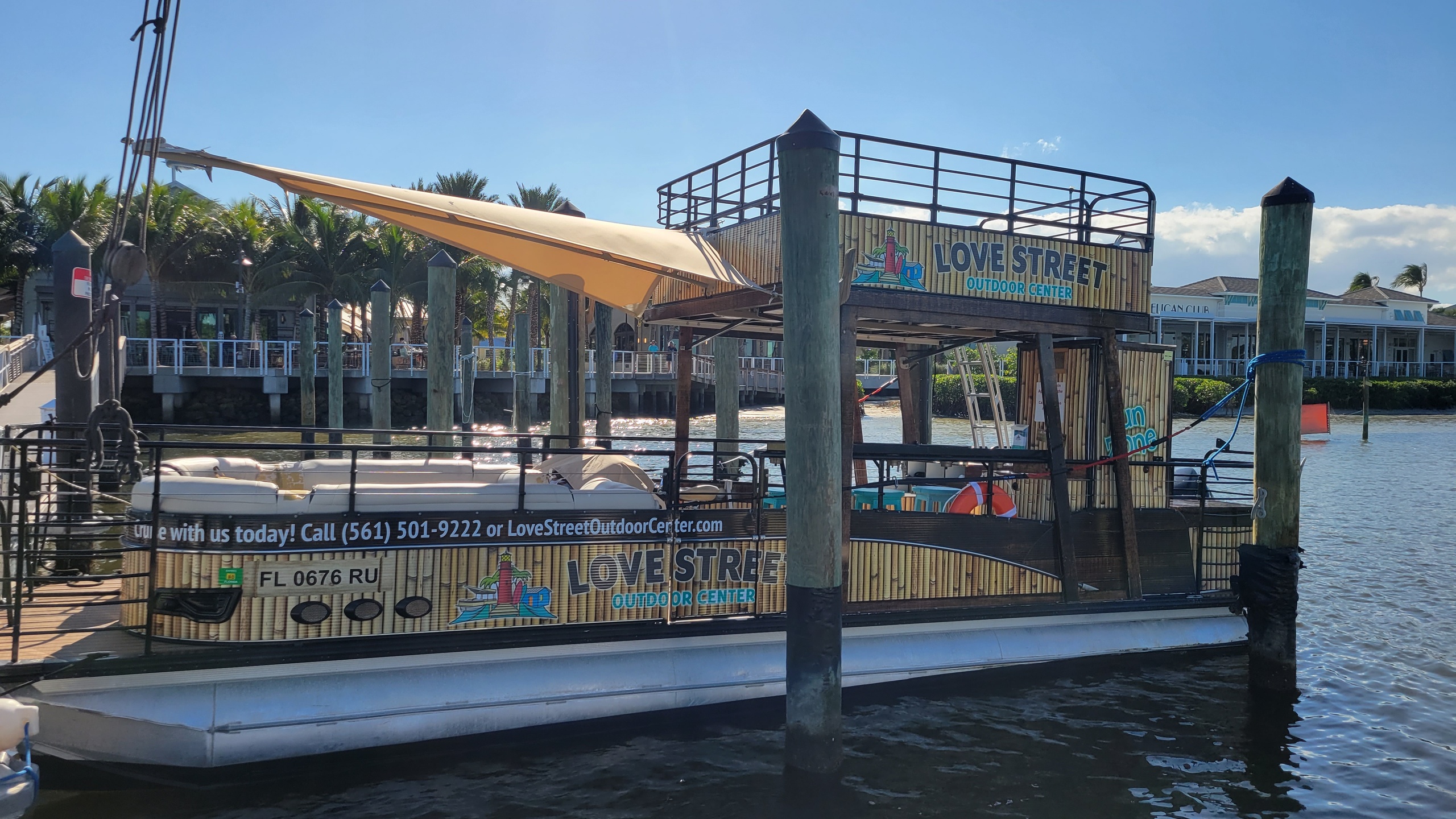
Big Cypress boat tour
Year-round destination

Seasonal highlights change the reason to go

Winter favors humpback encounters; warmer, calmer months favor snorkeling visibility and smoother water.

Humpback season

Winter and early spring (Nov–Mar) are busiest due to milder temperatures and wildlife concentrations.

Prime whale watching, winter holidays, higher demand, and earlier sell-outs.

Snorkeling window

November–December–January–February–March–April

Typically gentler seas and clearer water for snorkeling trips.

Weather notes

Trade winds year-round

Dry months (Nov–Apr) bring lower water levels in some sloughs, improved road access, cooler temperatures, and fewer mosquitoes. Wet season (May–Oct) sees afternoon thunderstorms, higher water levels that expand habitat and change sightlines, and more widespread mosquito activity. Hurricane season overlaps the wet months; check local advisories.

Quieter opportunities

Late spring & summer weekdays

Summer offers dramatic cloudscapes, abundant songbirds and migrating shorebirds, and lower tour rates—expect more mosquitoes and the possibility of tour cancellations during storms.

Match the trip to your comfort

Choose Your Experience Level

Low effort

Beginner

Low-effort, interpretive sightseeing on paved roads, boardwalks, or quiet eco-vans. Good for families and first-time visitors.

  • Scenic eco-van wildlife drive
  • Short boardwalk and wildlife-viewing stop
  • Sunset airboat with basic safety briefing
Active day trip

Intermediate

Half-day tours with moderate standing or short hikes, small-boat rides, or early-morning photography sessions that require more mobility and patience.

  • Guided swamp walk into a cypress dome
  • Half-day photography charter focusing on wading birds
  • Backroad tour with short off-vehicle walks
Longer or technical

Advanced

Full-day expeditions, specialized photo safaris, or multi-stop tours that may include extended off-trail navigation and require preparation for weather and variable terrain.

  • Full-day sunset-to-dawn photo expedition
  • Wet-season backcountry boat tour through deeper sloughs
  • Culturally focused day tour with extended walking segments

Prepare for sun, spray, and swell

What to Bring

Essential

Core kit

  • Light, quick-dry clothing and sun protection (hat, sunglasses, SPF)
  • Insect repellent with DEET or picaridin for wet-season trips
  • Reusable water bottle (refill when possible)
  • Camera or smartphone with extra battery and memory
  • Comfortable closed-toe shoes—waterproof or quick-dry footwear for swamp walks
Recommended

Useful extras

  • Binoculars for birding and distant wildlife
  • Light rain shell during summer storms
  • Small daypack to keep gear organized
  • Motion-sickness remedies if joining an airboat or choppy-ride tour
  • Hearing protection for airboat tours or earplugs
Optional

Trip-specific

  • Macro lens or telephoto lens for photography-focused trips
  • Waterproof dry bag for camera equipment
  • Field guide to Florida birds or amphibians
  • Headlamp for night tours or early pre-dawn meetups
Confirm exact pickup points, road conditions, and safety briefings with your operator before departure.

Insider Tips & Local Knowledge

Reserve whale-watching and popular sunset cruises well ahead during December–April.
Choose morning snorkeling departures for calmer seas and better underwater visibility.
For motion sensitivity, choose a larger vessel, sit mid-ship, and take preventative medication before boarding.
Do not touch coral or wildlife, avoid standing on reefs, and use reef-safe sunscreen.
Community-based operators may add context about traditional navigation and stewardship.
Arrive early for parking and check-in because Waikiki departure areas can be busy.

Planning questions

Frequently Asked Questions

No special permit is required for commercial tours; reputable operators handle necessary access and permissions. If you plan an independent backcountry visit, check the preserve’s regulations for permitted activities.
Top Sightseeing Tours in Big Cypress, Florida
Ready for your sightseeing tour adventure?

Browse 29 verified trips in Big Cypress.

Compare current availability and book with instant confirmation.

Explore Big Cypress sightseeing tour