Bradenton’s wildlife appeal is rooted in liminality: places where freshwater and saltwater meet, where sheltered estuaries open to the Gulf, and where human access points—small launches, coastal preserves, and roadside pullouts—put you surprisingly close to wild behavior. Walk a mangrove boardwalk at sunrise and you’ll quickly see why. The mud flats, exposed at low tide, become feeding theaters for sandpipers and plovers; the mangrove roots harbor small fish and crustaceans that in turn lure the birds. Paddle a narrow channel at mid-morning and you may find a pod of bottlenose dolphins threading between oyster bars while ospreys hover overhead.
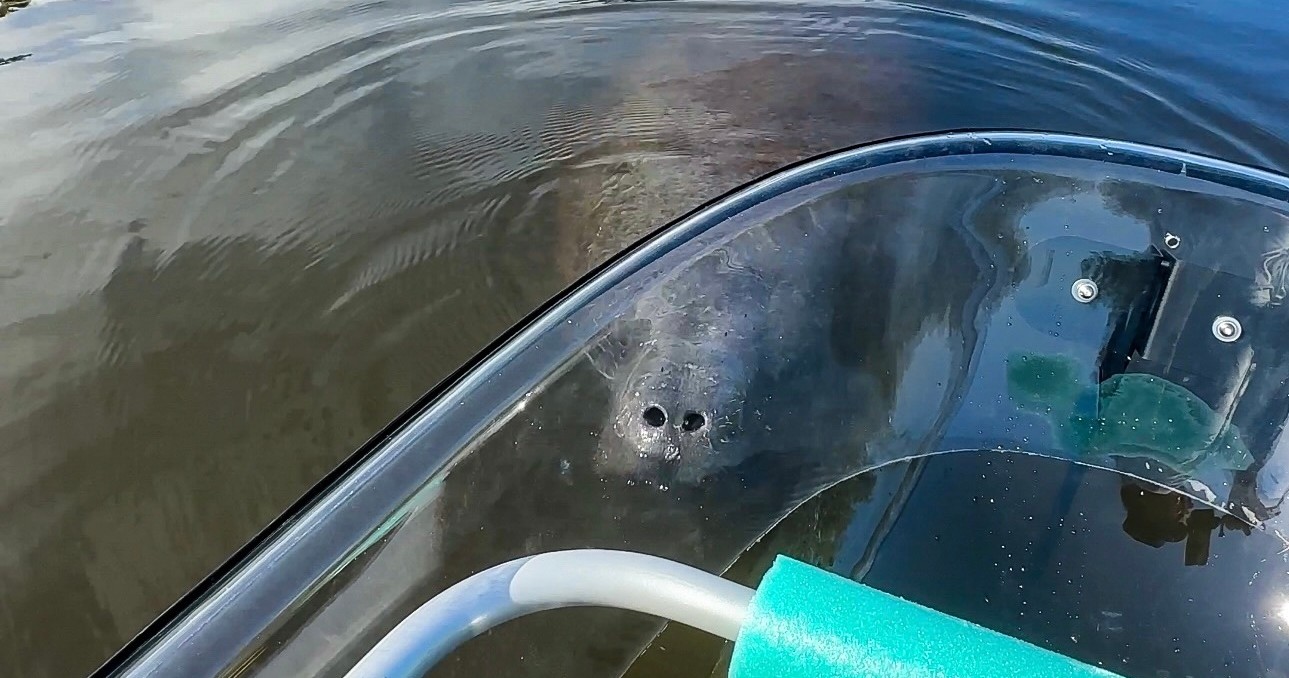
Viewed up close, Bradenton’s ecosystems reveal tight ecological choreography. Manatees, the gentle large mammals that many travelers come to see, favor warm backwaters and freshwater outflows when Gulf temperatures dip. At the same time, Myakka River’s oak hammocks and sawgrass marshes support raptors, wood storks, and secretive marsh birds; the park’s wide floodplain becomes a seasonal magnet for both resident and migrating species. Robinson Preserve and the barrier islands—Anna Maria Island and the northern reaches of Longboat Key—add sandy beaches and dune systems that are important not only for shorebirds and beach-nesting species but also for sea turtles during nesting season.
For travelers, Bradenton’s strength is accessibility without excessive infrastructure: short, interpretive trails; kayak and small-boat outings that deposit you into edge habitats; and a network of local guides who know where birds, manatees, and dolphins concentrate by tide and temperature. That practicality makes Bradenton an excellent base for both single-day wildlife immersions and multi-day itineraries that mix birding, paddling, and shallow-water snorkeling. It’s also a place to learn—the local conservation organizations and visitor centers offer guided walks and seasonal programming that illuminate how tides, runoff, and human use shape animal behavior. Bring patience, binoculars, and a sense of timing (low tide and golden hours are especially productive), and Bradenton delivers repeated, intimate glimpses of coastal Florida wildlife.
The mosaic of habitats—mangroves, tidal flats, seagrass beds, and river swamps—concentrates wildlife and shortens travel time between very different viewing conditions.
Guided kayak and boat tours increase the odds of seeing elusive animals and provide safer, lower-impact ways to approach sensitive areas than on-foot shortcuts or beach driving.
Choose by purpose
Whale watching, snorkeling, sunset sailing, cultural canoeing, harbor sightseeing, or private chartering.
Start near the city
Waikiki and Honolulu Harbor are primary hubs, with some trips launching near Hanauma Bay.
Confirm the vessel
Gangways, shaded seating, and boarding requirements vary according to vessel size and operator.