Why Bronson Is a Noteworthy Dolphin Destination
Bronson is not a seaside resort or a bustling marina town, but its location in Levy County makes it a quiet gateway to a distinct slice of Florida’s Nature Coast—shallow bays, tidal creeks, and estuarine fingers that feed into the Gulf of Mexico. These shallow, productive waters create ideal feeding and transit corridors for bottlenose dolphins, which move seasonally and opportunistically in search of fish schools, shrimp runs, and the protected calmer water that estuaries offer. For travelers who prize encounters that feel authentic rather than packaged, Bronson’s proximity to solitudes — small rivers, marsh-lined shorelines, and low-traffic boat launches — yields a higher probability of close but respectful dolphin sightings.
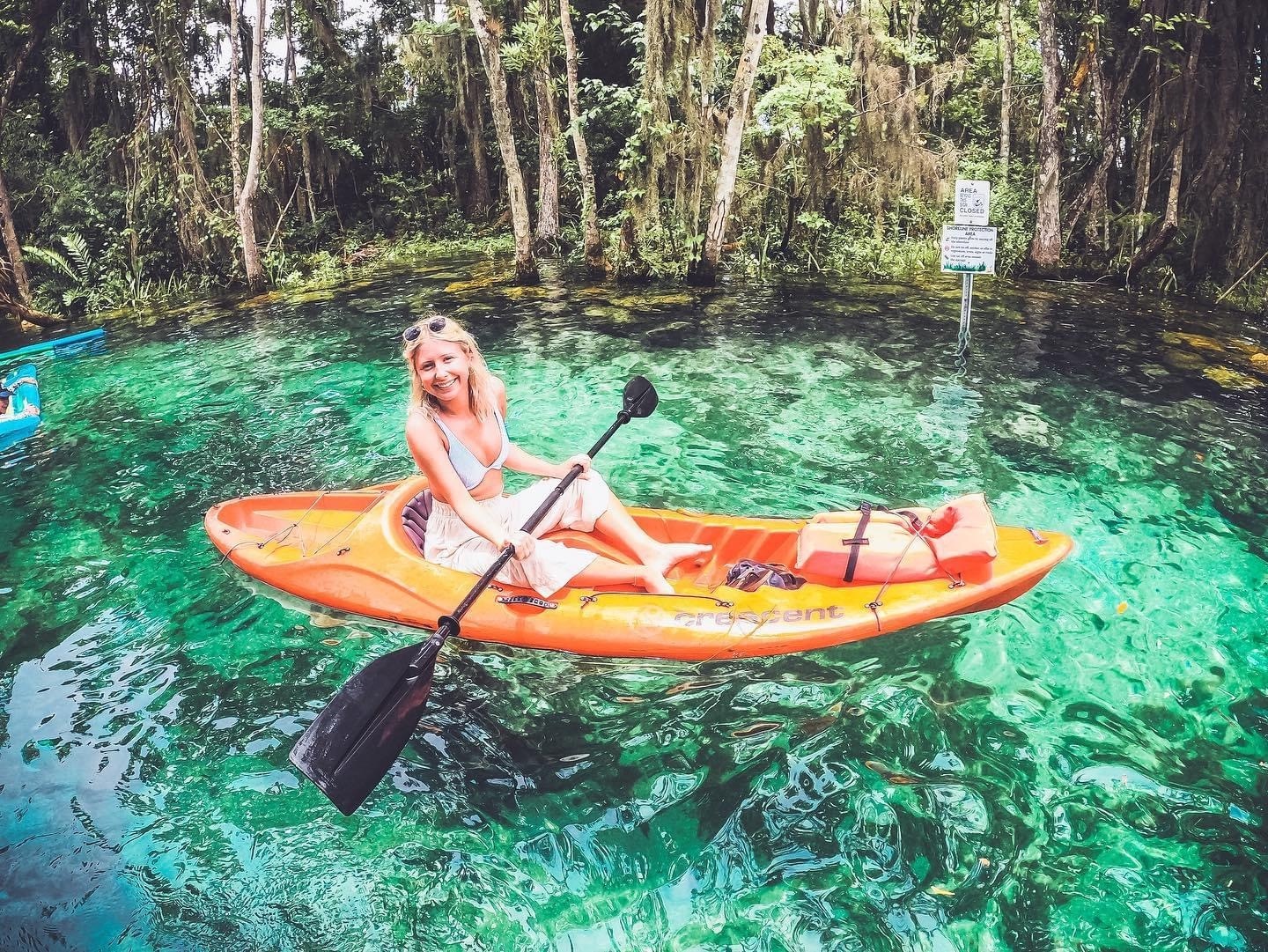
The appeal here is experiential variety. From shore-based vantage points at quiet coastal access points to small-group guided boats that thread narrow passes, dolphin watching in the Bronson region is often intimate. Kayakers and SUP paddlers who follow guided routes into river mouths can frequently find dolphins working the edges where tidal flows concentrate prey. For photographers and naturalists, the low horizon lines of the Nature Coast produce clean, wide light and behaviors that differ from high-traffic tourist ports: bow-riding is less common than surface foraging, spy-hopping, and slow pod travel. This is where the rhythm of tides, the temperature of Gulf currents, and seasonal fish runs all coalesce into repeatable windows of activity.
But Bronson’s dolphin scene is as much about stewardship as spectacle. Many local operators and volunteer organizations emphasize viewing guidelines and habitat protection: keep distance, minimize wake near feeding animals, and never attempt to swim directly with wild dolphins. That ethic shapes the kind of experiences available—smaller boats, lower speeds, and an educational focus that pairs wildlife observation with an explanation of local ecology. For travelers who want to combine a chance to see dolphins with other outdoor pursuits, Bronson is conveniently placed near birding hotspots, tidal creek fishing, and low-key coastal towns such as Cedar Key where shoreline walks and kayak rentals broaden the itinerary.
Finally, Bronson’s less-touristed character is part of the charm. Rather than competing with high-volume sightseeing hubs, visits launched from this inland town feel studied and deliberate. Whether you’re chasing early-morning light with a photographer’s patience, paddling alongside a naturalist guide, or volunteering on a community monitoring trip, Bronson encourages a slower pace of encounter—one that favors observation and respect over spectacle. Practical planning—timing around tides and seasonal fish movements, choosing small-group providers, and packing light for variable sun, wind, and spray—will markedly increase your chances of a memorable, responsible dolphin experience.
A mix of estuary, river mouth, and nearby Gulf access creates variable dolphin behavior—feeding, traveling, and socializing occur in different places and times.
Local operators tend to emphasize low-impact viewing and education rather than high-speed swim-with programs.
Combine dolphin outings with kayaking, birding, and coastal fishing for a full Nature Coast itinerary.