Why Bronson Works for Kayakers
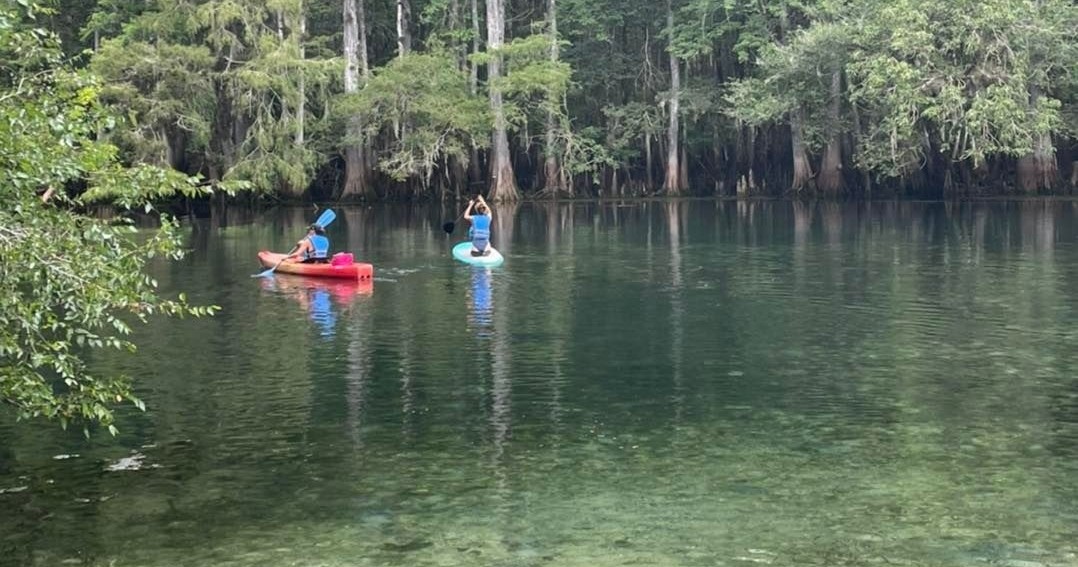
Bronson’s appeal for paddlers is quietly practical: it’s centrally placed among three complementary water types that define Florida kayaking—spring runs that pour cold clear water from the aquifer, slow-moving tannin-stained rivers that wind through hammock and hardwood, and saltwater marshes that open into a wide Gulf horizon. Each setting delivers a different rhythm. A spring run invites snorkeling mid-paddle and long, reflective float days; a tannic river is about shade, birdsong, and glass-smooth surfaces; and the marshes are a shifting mosaic of flats, oyster bars, and shorebirds where tides dictate your route.
From a logistical standpoint, Bronson functions as an efficient base. The town itself is small and accessible, meaning launch points, supply stops, and guide rendezvous are rarely a long drive away. For paddlers who prize variety without long shuttles, that matters: you can paddle a cool spring in the morning and be in a salt marsh by afternoon, experiencing two very different Florida ecosystems in one day. That proximity also makes Bronson smart for multi-day itineraries. Camp spots, state parks, and small coastal communities like Cedar Key provide logical legs for longer trips, while outfitters in the region offer shuttles or guided excursions for those who want hands-off logistics.
Ecologically, the area is a study in contrasts—karst limestone feeds crystal-clear springs even as the Suwannee and adjacent rivers carry tannins that stain the water dark. This contrast shapes wildlife timing and behavior: manatees cluster where spring outflows keep water warm in winter months, wading birds hunt tidal flats on outgoing tides, and river otters and turtles favor shaded undercuts. For paddlers who read the water, tides and springs become tools for access and timing: a falling tide can expose oyster flats that are beautiful to observe but awkward to paddle over, while a high spring outflow can make a downstream run deceptively quick.
Practically speaking, Bronson’s paddling demands attention to weather and seasons. Summer brings long daylight and warm water, but also daily afternoon storms and high sun; insects are an active presence in warmer months. Cooler months concentrate wildlife and reduce bugs, and winter can bring crisp mornings perfect for long paddles—while springs retain comfortable water temperatures year-round. Paddlers should always consider tidal schedules on coastal and estuarine trips, the potential for changing river flows after heavy rains, and the simple reality of remote stretches that may lack cell coverage. In short, Bronson rewards paddlers who plan with an eye to water type, tides, and weather: the payoff is a remarkable range of paddling experiences within short drives of one another.
The variety of waterways close to Bronson is the core strength: spring-fed creeks for clear-water swims, soft-edged tannin rivers for slow exploration, and tidal marshes for wildlife and sunset paddles.
Seasonal wildlife patterns (manatees, migrating shorebirds, nesting season) and tidal rhythms make timing part of the planning—check tide charts and spring flows when sketching routes.
Bronson’s small-town base makes logistics straightforward for self-supporting paddlers while nearby outfitters and state parks add options for guided trips, shuttles, and camping.