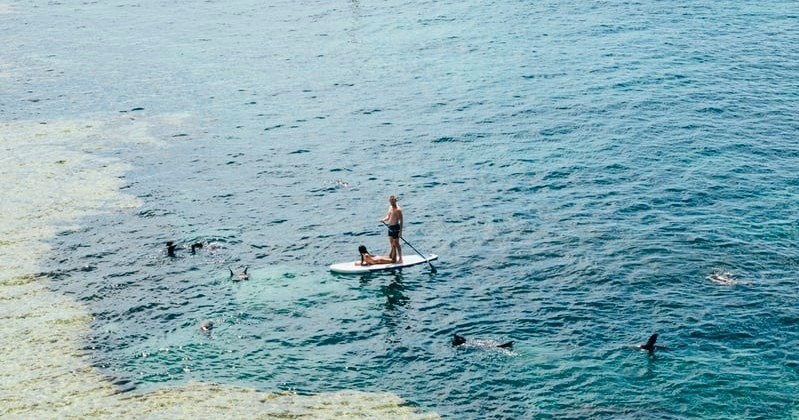
There’s a specific hush that falls over a Florida spring at first light: haloes of steam lift off a glassy surface, birds move in soft chords, and a paddle’s first stroke seems almost sacramental. Bronson sits inland from the Gulf, anchored to a landscape defined by limestone aquifers and slow rivers. For stand-up paddleboarders this geography is a blessing—clear, buoyant springs give way to tannin-dark rivers that read like moving cathedrals of cypress and live oak. Paddling from a spring run into a broader river is a lesson in transitions: sound, color, and speed shift subtly, and the board becomes a small, attentive platform for noticing. That intimacy—close encounters with herons, otters slipping beneath the surface, an alligator’s curved silhouette at the marsh edge—is the primary allure.
But Bronson’s appeal isn’t only sensory; it’s practical. The region’s waterways reward short, deliberate outings as easily as full-day objectives. Beginner paddlers can make steady progress on placid springs and protected creeks, while intermediate paddlers can use the same waterways to practice current-reading, edging, and longer distance efficiency. Local guiding operations and rental shops—found in nearby towns—mean you can roll up without transporting a board. And for those who want to add variety, coastal paddling and bay flats on the Gulf are a manageable extension for days when wind and tides cooperate. Environmental context matters here: aquifer-fed springs are sensitive, so low-impact paddling and strict no-wake etiquette at launch points maintain water clarity and wildlife health. This guide frames Bronson not as a single destination but as a small hub from which a wide range of SUP experiences unfold—quiet early-morning reconnaissance on a private-feeling spring, a river cruise shaded by live oaks, or a longer shuttle that threads freshwater into coastal estuaries. Each trip is an opportunity to paddle more thoughtfully and with an eye toward the natural processes that shape these waterways.
Springs and spring runs: crystalline water, shallow edges, and excellent visibility for wildlife and underwater features.
Slow rivers and creeks: tannin-stained corridors that buffer wind and provide long, navigable days for distance paddling.
Coastal access within a drive: when conditions dictate, head toward the Gulf for flats, estuaries, and tidal nuance.
Low-impact culture: local paddlers prioritize quiet launches, wildlife respect, and minimal shore-side impact.