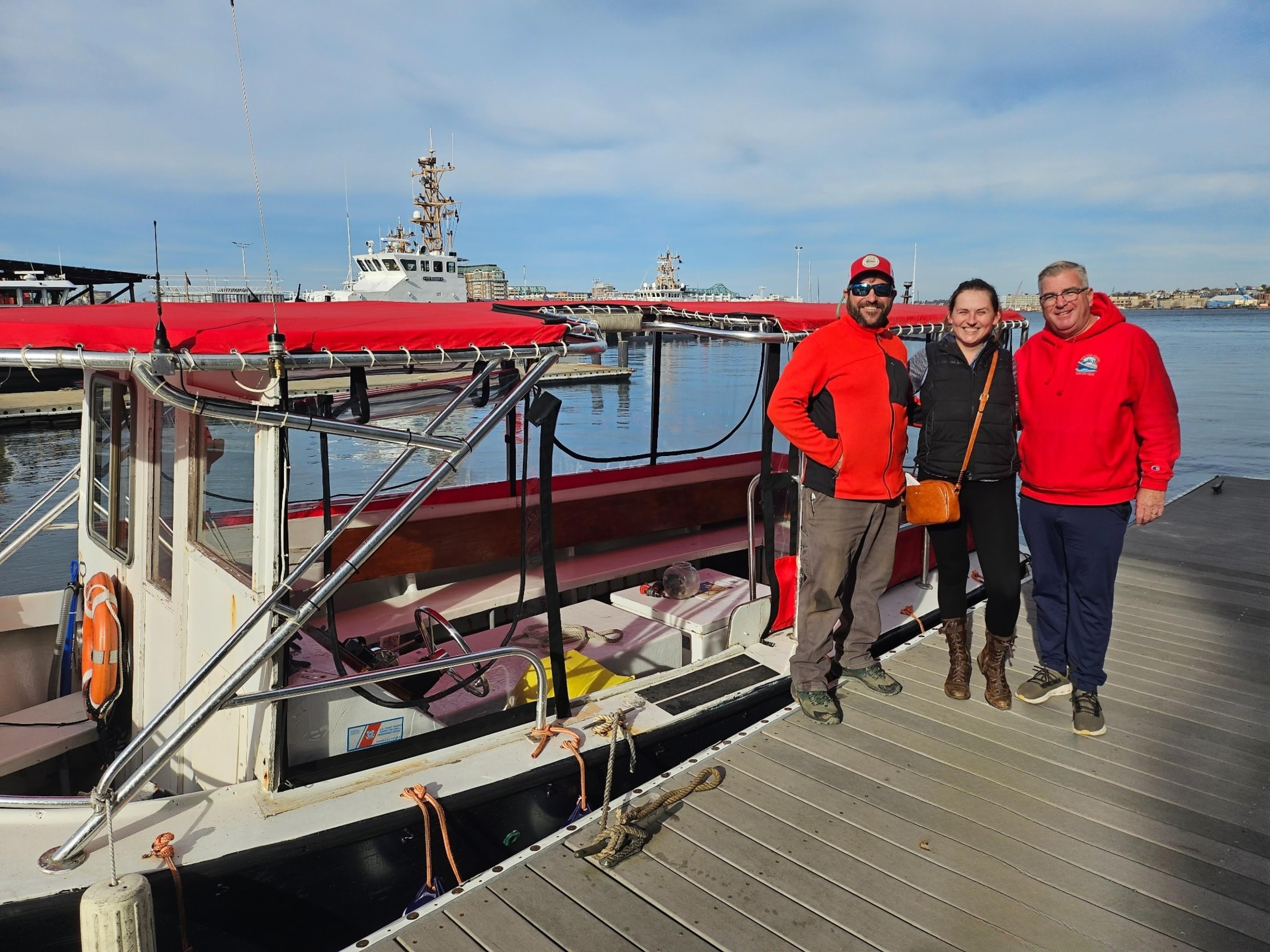
Cambridge invites close-up attention. Unlike sprawling metropolises where transit dictates the rhythm of exploration, Cambridge rewards the pace of walking and pedaling: a neighborhood changes as you move through it, and each block reveals a new layer of history, design, and daily life. At the heart of that experience are two forces—place and people. The universities are not museum-pieces behind ropes but active campuses whose architecture, public art, and milling crowds provide continual context for guided storytelling. Harvard’s Georgian quadrangles and libraries whisper centuries of academic tradition; MIT’s glass-and-steel laboratories broadcast an ongoing experiment in invention. Layered atop these institutional cores are immigrant-run bakeries, jazz rooms that throng after dark, and community gardens tucked into alleys—details that unfurl most vividly on small-group and neighborhood-focused tours.
For travelers, city tours in Cambridge are simultaneously approachable and richly textured. You can take a ninety-minute historical walking tour that threads together Revolutionary War sites and literary landmarks, or opt for a two-hour paddling excursion on the Charles River where the sky hinges between the backs of college buildings and the Boston skyline. Food tours and evening pub circuits turn tastes into a map, linking a pierogi shop to a sushi counter to a microbrewery and giving a quick sense of how immigration and innovation shape local cuisine. Architecture enthusiasts will find curated routes that contrast brick Federal-style facades with mid-century modern interventions and the experimental, ever-evolving structures on the MIT campus. Meanwhile, cycling tours and segway options expand the radius without losing the detail: you still pass the same murals, murals, and corner bookstores, but with the speed to cover more ground before a sunset by the river.
Practical considerations make Cambridge an easy place to tour. The city's compact grid, reliable public transit connections to Boston, and plentiful cafés make it a natural base for multi-stop itineraries. Still, timing and format matter: weekends and university events can crowd squares and restaurants; mornings bring cooler river breezes and quieter courtyards; winter requires an extra layer and an eye on icy sidewalks. The best tours balance narrative depth with physical accessibility, so pick the style that matches your curiosity and stamina. Whether you favor slow forensic walks that linger over plaques and footnotes or brisk bike loops that prioritize views and variety, Cambridge’s small scale and big character make it an outstanding place to learn a city by moving through it.
Tours emphasize proximity—history, architecture, food, and science are often blocks apart, so small-group formats let guides connect disparate stories into a coherent route.
Seasonality reshapes the feel: spring blossoms and graduation crowds, summer river activity and outdoor performances, fall crispness and students returning, winter quiet and cozy indoor stops.
Multiple formats—walking, biking, boat, food, and themed niche routes—mean you can tailor a tour to mobility, interests, and time available.