Why Cambridge Is a Distinctive Photography Tour Destination
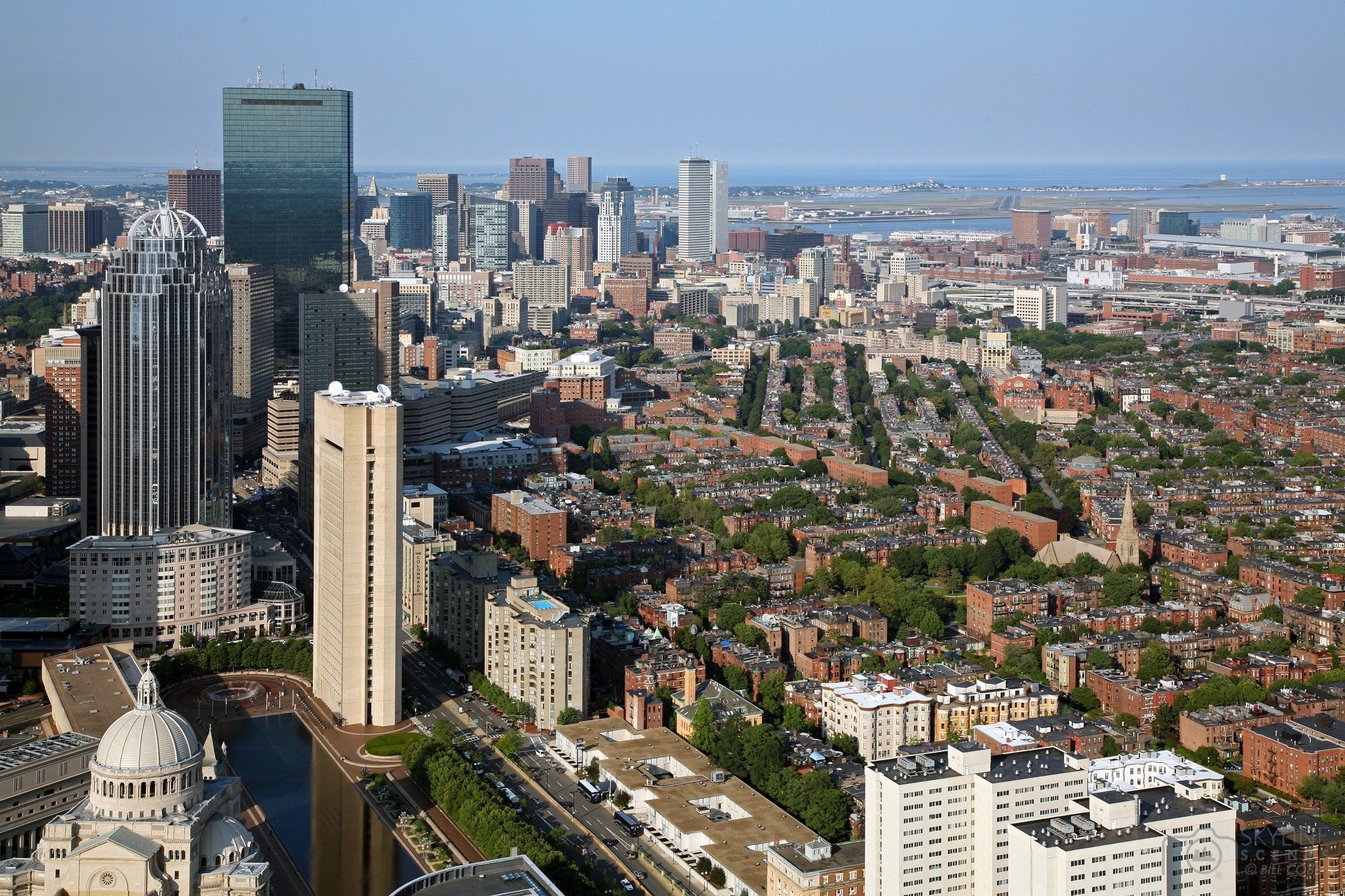
Cambridge reads like a visual anthology: each street and block offers a different chapter. Start with the Charles River—its long, low horizons and reflective surfaces compress distance and amplify sky; on calm mornings the water becomes a mirror for Cambridge and Boston skylines, creating compositions that reward early alarm clocks. Wander into Harvard and MIT and the narrative shifts. At Harvard, centuries of brick, ironwork, and mature elms create intimate frames where portraiture, architectural detail, and the choreographed movement of students converge. The campus’s rhythms—bicycles, cap-and-gown graduation surges, quiet courtyards—provide endlessly variable human-centered scenes. Nearby, MIT’s Stata Center and contemporary facades in Kendall and Central Square snap you into a harder, more graphic aesthetic: angular lines, reflective glass, and industrial textures that favor wide-angle geometry and high-contrast light.
Mount Auburn Cemetery, less a morbid detour and more a cultivated landscape, offers sculptural monuments, layered tree canopies, and rolling topography that make it a year-round study in tonal subtlety. In spring, magnolias and blossoms punctuate the historic stones with ephemeral color; in winter, low sun and bare branches yield crisp silhouettes and a quiet austerity ideal for black-and-white work. Street photography thrives in Harvard Square and Central Square, where buskers, cafes, and late-night diners animate storefronts and create fleeting moments—watch for layered reflections in shop windows and the interplay between neon and dusk. For skyline and long-exposure work, vantage points along Memorial Drive, Magazine Beach, and the approaches to the Longfellow Bridge deliver clean sightlines and dramatic light at dusk.
Beyond pure aesthetics, Cambridge supports photographic practice with a network of guided workshops, friendly camera clubs, and accessible public transit—making setup for sunrise sessions or quick midday shoots practical even for visitors. The variety of subjects means you can stitch a week of themed shoots: dawn river panoramas, afternoon architectural studies, golden-hour portraits in ivy-covered courtyards, and night-time exposures of the Charles with Boston’s lights shimmering across the water. Practical considerations are never far from poetic ones: the city is compact and highly walkable, but parking and rooftop access can be limited. Public spaces are generous, but certain institutions and private rooftops require permission for commercial work. Drone usage and some video shooting near the river and university properties are subject to regulation, so a healthy habit is to check local rules and obtain required approvals before bringing airborne gear.
In short, Cambridge is a microcosm of photographic possibilities where urban, academic, natural, and historical subjects sit within easy reach. It’s a city that rewards different approaches—those who favor careful, contemplative compositions and those who chase the kinetic energy of street life will both find material here. Smart planning—timing for light, an awareness of local rules, and a flexible bag that serves both landscape and street work—turns a visit into a sequence of successful photo shoots rather than a handful of missed chances.
The layered character of Cambridge—from colonial architecture to cutting-edge tech campuses—lets photographers practice varied genres in short sequences: landscape, architectural, portrait, and street photography all within blocks of each other.
Seasonal shifts dramatically alter the city’s palette: spring blooms and graduation crowds, autumnal river reflections and warm leaves, summer festivals in public squares, and crystalline winter light for minimalist compositions.