Dolphin Experiences in Captain Cook, Hawaii
Captain Cook Dolphin Guide

Dolphin Experiences in Captain Cook, Hawaii

Captain Cook sits where lava-sculpted coastline meets deep Pacific channels, and that meeting creates one of the island’s most consistent dolphin habitats. From dawn outruns in glassy water to midday fly-bys near reef drop-offs, dolphin encounters here blend spectacle with a clear responsibility: observe with respect. This guide focuses on how to experience dolphins around Captain Cook—when to go, what to expect, and how to plan an ethical, memorable outing that pairs marine wildlife watching with snorkeling, kayaking, and cultural exploration.

Kealakekua BayHōnaunau BaySouth Kona CoastCaptain Cook Harbor

Live destination inventory

Top Dolphin Trips in Captain Cook

50 trips · Book with confidence · Instant confirmation

The prototype intentionally does not invent replacement trip cards or add images that are not already part of the live source page.

The city from the water

Why Captain Cook Is a Standout Dolphin Destination

Light spills across the water before the sun clears the pali—early mornings in Captain Cook feel like the world is holding its breath. From shore you can watch the horizon break into a livelier rhythm: the white arcs of dolphin backs, brief ribboned wakes, and the staccato clap of breath as small pods glide and turn in perfect synchrony. Those first hours are when the sea often lies glass-smooth, when spinner dolphins and small groups of bottlenose present their most playful faces, and when a careful approach by an experienced local operator reveals the nuanced choreography of marine life. The area south of Captain Cook—Kealakekua Bay and Hōnaunau—is a meeting point of steep underwater slopes and nutrient-rich currents that attract prey and, therefore, predators and foragers. This underwater topography creates predictable transit lanes and resting pockets for dolphins; they ride currents, hunt along reef edges, and sometimes gather in compact groups that are surprisingly close to shore. For visitors this means encounters that can feel intimate without being intrusive, provided encounters are guided by respect and local rules. But Captain Cook’s dolphin story isn’t only about spectacle. It’s shaped by human history and stewardship: canoe routes that once navigated these waters, modern-day conservation efforts, and a growing ethic among operators to foreground animal welfare over novelty. Understanding dolphin behavior—how spinner dolphins rest by day and travel or feed at dawn and dusk, or how bottlenose may investigate boats—changes the trip from a checklist item into a lesson in attentiveness. Ethical operators prioritize observation distance, slow approaches, and quiet watercraft techniques; many also combine dolphin outings with reef-safe snorkeling, coastal cultural interpretation, and education about local ecosystems. Pairing dolphin watching with other coastal experiences amplifies the visit. Paddle a kayak from a sheltered cove for quiet observations at dawn; follow a half-day snorkel to see reef fish and coral gardens that signal healthy habitat; or book a small-group charter that blends marine biology commentary with time for photography and respectful distance. On land, a visit to historic sites and coffee farms around Captain Cook deepens the sense of place—there’s a tactile connection between the island’s geology, its people, and the marine systems that sustain dolphins. Practical planning matters: sea state, wind, and time of day all shape the quality of an encounter. Local captains know which channels calm first and which coves offer the best chances depending on season and swell. The result is a kind of slow, elegant pursuit: not chasing acrobatic headlines, but arranging conditions so an encounter—if it happens—feels natural, unforced, and informative. That balance between wonder and restraint is why Captain Cook remains a top pick for travelers who want marine wildlife experiences that respect both the animals and the ocean they call home.

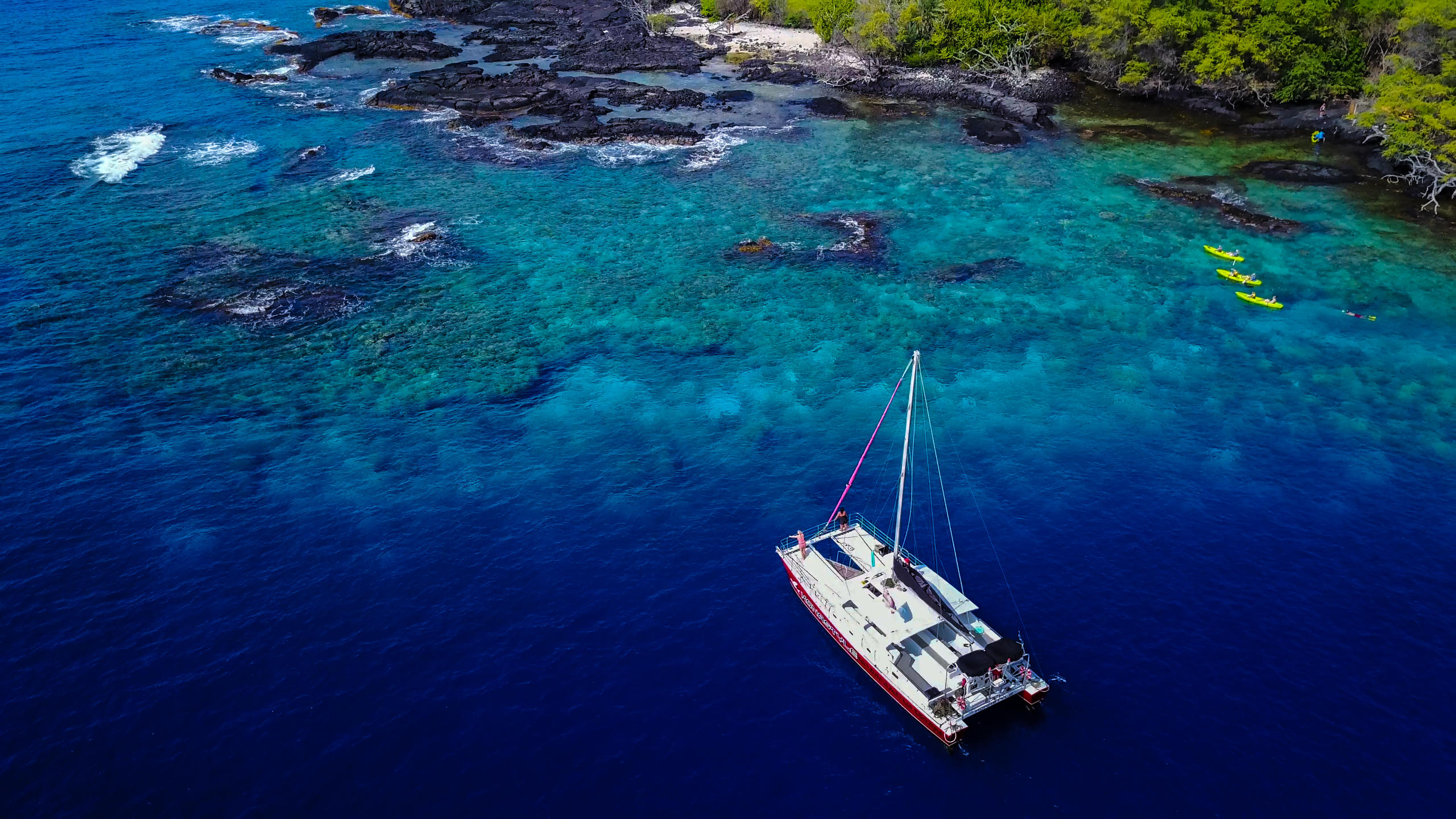
Kealakekua Bay's steep underwater drop-off and clear water make it a favored corridor for dolphins traveling along the coast.

Morning outings increase sighting odds because dolphins use calmer waters for travel and foraging at dawn; afternoon winds often stir surface chop.

The harbor is the gateway, and the Pacific becomes the classroom.

Responsible operators follow local and federal guidance—keeping distances, limiting approaches, and prioritizing animal behavior over guest interaction.

Combine dolphin trips with snorkeling, kayaking, or cultural visits for a fuller-day itinerary that balances marine viewing with onshore exploration.
Activity focus

Choose by purpose

Whale watching, snorkeling, sunset sailing, cultural canoeing, harbor sightseeing, or private chartering.

Departure hubs

Start near the city

Waikiki and Honolulu Harbor are primary hubs, with some trips launching near Hanauma Bay.

Accessibility

Confirm the vessel

Gangways, shaded seating, and boarding requirements vary according to vessel size and operator.

Seasonal planning

Best Time to Visit

Captain Cook is warm year-round, but wind, swell, migration, visibility, and demand change the best match between traveler and trip.

Captain Cook boat tour
Year-round destination

Seasonal highlights change the reason to go

Winter favors humpback encounters; warmer, calmer months favor snorkeling visibility and smoother water.

Humpback season

Winter months see increased marine traffic for whale season; dolphin outings run year-round but plan bookings in advance during holiday periods.

Prime whale watching, winter holidays, higher demand, and earlier sell-outs.

Snorkeling window

April–May–June–September–October

Typically gentler seas and clearer water for snorkeling trips.

Weather notes

Trade winds year-round

Mornings tend to be calm with light offshore winds; breezes build in the afternoon. Seasonal swell and trade winds can change conditions quickly—calmer seas favor dolphin viewing and snorkeling.

Quieter opportunities

Late spring & summer weekdays

Late spring and early autumn often offer glassy seas and lower visitor density—ideal for photographers and snorkelers seeking quieter outings.

Match the trip to your comfort

Choose Your Experience Level

Low effort

Beginner

Shore-based viewing or short boat rides offered by family-friendly operators—minimal sea time and educational commentary.

  • Early-morning coastal dolphin watch
  • Glass-bottom boat tour along the bay
  • Short guided kayak from a sheltered cove
Active day trip

Intermediate

Half-day catamaran or small-boat trips that combine dolphin watching with snorkeling and guided interpretation.

  • Half-day dolphin and reef snorkel charter
  • Guided kayak plus snorkeling in Kealakekua Bay
  • Photography-focused small-group boat outing
Longer or technical

Advanced

Private charters or multi-stop excursions that head offshore for specialized sightings, photography, or citizen-science projects.

  • Private search-and-photography charter
  • Freediving sessions adjacent to dolphin transit lanes
  • Multi-activity days pairing marine surveys with coastal exploration

Prepare for sun, spray, and swell

What to Bring

Essential

Core kit

  • Reef-safe sunscreen and a hat
  • Water bottle and light snacks
  • Light windproof layer for cool mornings
  • Waterproof bag for phone and essentials
  • Camera with fast shutter or action camera
Recommended

Useful extras

  • Snorkel gear (mask and fins) if you plan to swim
  • Polarized sunglasses for better surface visibility
  • Seasickness remedy if you’re prone to motion sickness
  • Binoculars for distant cruising pods
Optional

Trip-specific

  • Waterproof notebook for field notes
  • Spare phone battery or small power bank
  • Underwater camera or housing for high-quality photos
Always check operator practices and local regulations—choose guides that prioritize animal welfare and follow approach guidelines.

Insider Tips & Local Knowledge

Reserve whale-watching and popular sunset cruises well ahead during December–April.
Choose morning snorkeling departures for calmer seas and better underwater visibility.
For motion sensitivity, choose a larger vessel, sit mid-ship, and take preventative medication before boarding.
Do not touch coral or wildlife, avoid standing on reefs, and use reef-safe sunscreen.
Community-based operators may add context about traditional navigation and stewardship.
Arrive early for parking and check-in because Waikiki departure areas can be busy.

Planning questions

Frequently Asked Questions

Swimming with wild dolphins is highly regulated and generally discouraged. Ethical local operators prioritize observation and will not encourage close swim interactions with resting or mother-calf groups. If a guided snorkeling tour includes dolphins, it will follow rules that protect the animals’ space.
Dolphin Experiences in Captain Cook, Hawaii
Ready for your dolphin adventure?

Browse 50 verified trips in Captain Cook.

Compare current availability and book with instant confirmation.

Explore Captain Cook dolphin