Fishing in Captain Cook, Hawaii

Read the destination guide ↓
Popular Activities
More activities
0 adventures loaded
Fishing in Captain Cook, Hawaii
Captain Cook Fishing Guide

Fishing in Captain Cook, Hawaii

Captain Cook sits where iron-rich lava meets the deep blue of the Kona coast, creating a compact, wildly productive stretch of ocean for anglers. From reef flips and shore-casting to bluewater charters that chase tuna, mahi, and billfish, this guide focuses on the fishing options that make Captain Cook a destination in its own right.

Kona CoastKealakekua BayCaptain Cook Harbor
By Robert Eric CrewsFounder & Editor, The Adventure Collective

Fishing in Captain Cook

Why Captain Cook Is Exceptional for Fishing

Captain Cook compresses a surprising variety of Hawaiian marine environments into a narrow coastal stretch, and that concentration is what turns ordinary days on the water into memorable angling narratives. The Kona coast here drops quickly into deep water, so you can be casting for nearshore reef species in the morning and be over 1,000 feet of water—where tuna and billfish roam—within a short run. That proximity makes Captain Cook ideal for travelers who want to maximize fishing time without long transit to open ocean.

But it’s more than just depth charts. The coastline is carved by lava flows and dotted with sheltered inlets, sea cliffs and the famous Kealakekua Bay—a place of clear water, abundant marine life, and cultural significance that adds a contemplative counterpoint to the thrill of a hooked fish. For anglers, those reef edges concentrate bait and predators: bonefish and various reef trigger species along the flats and rocky points, trevally and ulua around reef drop-offs, and pelagic species feeding on schools that run along current lines. Kayak anglers and small-boat fishers appreciate the sheltered coves and nearshore structure for sight-fishing and light-tackle encounters.

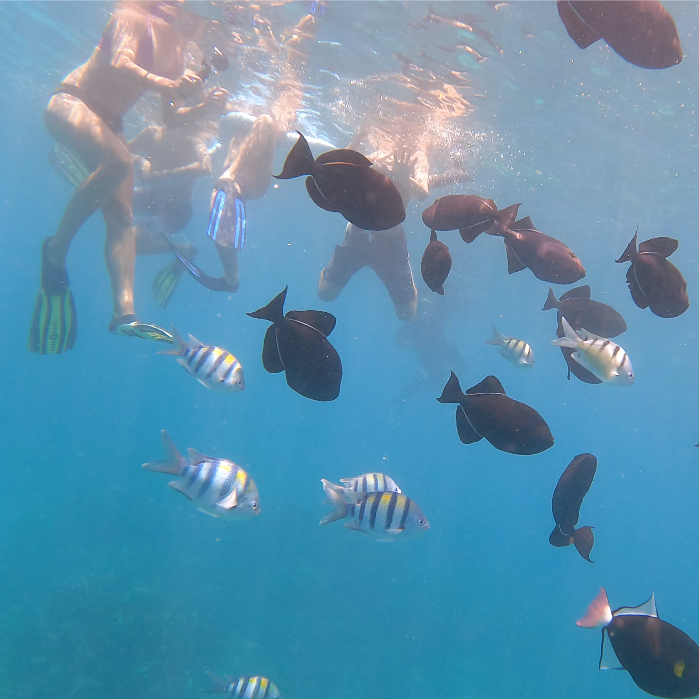
A Captain Cook fishing trip is often threaded with other experiences that enrich the day. Many anglers pair a morning cast with a snorkel session over coral gardens, or combine an afternoon charter with a visit to the Captain Cook monument and the bay’s coastal trail. Cuisine and culture are part of the equation, too: local fish markets and CSA programs connect daily catches with the community that depends on healthy reefs and fisheries. That relationship to place is important—fishing here feels like participation in a living coastal system, not merely sport.

Practical considerations shape the experience as much as the fish themselves. The Kona trade winds and localized weather patterns influence sea conditions and where the fish feed; timing and local knowledge matter. Regulations and marine protected areas are also part of the landscape: some bays and nearshore zones have specific rules designed to conserve populations and habitats. A responsible angler blends curiosity with humility—learning the local rhythms, packing appropriate gear, and choosing operators who prioritize sustainable practices.

Whether you’re planning a multi-day bluewater chase, a half-day reef outing, or an easy shore-casting morning followed by a beach picnic, Captain Cook’s mix of accessibility, variety, and natural beauty rewards deliberate, well-planned trips. Expect a fishing experience that’s as much about place and pace as it is about the catch.

Close-to-deep-water runs make half-day charters productive: less time in transit, more time fishing.

Kealakekua Bay and neighboring coves offer clear water that benefits sight fishing, snorkeling, and marine-wildlife viewing paired with angling.

A strong local culture of shoreline access, small-boat operators, and fish markets creates opportunities to learn, share, and sample fresh catch.
Seasonal planning

Best Time to Visit

Seasonal conditions and travel timing in Captain Cook.

Captain Cook Fishing
Seasonal planning

Captain Cook throughout the year

Captain Cook benefits from Kona-side weather patterns—generally stable, warm waters with tradewind influences. Mornings are often calmest; winds pick up in the afternoon. Ocean conditions can change with swell and localized trade-wind shifts, so plan charters with flexible timing and local forecasts.

Peak season

Spring–Fall for consistent pelagic activity and calmer seas for offshore trips.

Popular travel period with peak availability and booking demand.

Best months

March–April–May–June–July–August–September–October

Optimal seasonal conditions for outdoor trips.

Weather notes

Captain Cook benefits from Kona-side weather patterns—generally stable, warm waters with tradewind influences. Mornings are often calmest; winds pick up in the afternoon. Ocean conditions can change with swell and localized trade-wind shifts, so plan charters with flexible timing and local forecasts.

Off-peak opportunities

Winter months can still produce good catches close to shore and may offer lower prices and greater solitude. Shore- and reef-fishing remain accessible year-round, though boat trips may be subject to larger swell.

Match the trip to your comfort

Choose Your Experience Level

Low effort

Beginner

Casual shoreline casts, guided reef trips, and basic kayak fishing—low technical demand and good for families.

  • Guided reef-and-snorkel half-day
  • Shore-casting at protected bays
  • Intro kayak-fishing with guide
Active trip

Intermediate

Nearshore boat trips, mixed-tackle reef sessions, and light-pelagic outings that require some tackle familiarity.

  • Half‑day nearshore charter targeting mahi and tuna
  • Light-tackle trolling and live-bait fishing
  • Guided float-line reef fishing
Technical or extended

Advanced

Full-day bluewater fishing for large pelagics, tournament-style techniques, and multi-species targeting that require stamina and specialized gear.

  • Full-day deep-sea charter for tuna and billfish
  • Trolling and kite-fishing in offshore grounds
  • Targeted spearfishing with local-scene guidance where permitted

Prepare for your excursion

What to Bring

Essential

Core kit

  • Valid personal flotation device if on a kayak or small boat
  • Sun protection: hat, sunscreen, UV shirt
  • Hydration and reef-safe water bottle
  • Light tackle for reef species and medium gear for nearshore fishing
  • Polarized sunglasses for spotting fish and surface structure
Recommended

Useful extras

  • Boat-appropriate shoes and light rain jacket for trade-wind spray
  • Small first-aid kit and motion-sickness remedies
  • Digital camera or action camera with float
  • Extra line, leaders, and pliers / dehooker
Optional

Trip-specific

  • Inflatable kayak or SUP for exploring sheltered bays
  • Lightweight travel-scale and cooler bag for keeping fish
  • Handheld VHF or personal locator beacon for remote outings
Check access, closures, and marine protections before you go.

Insider Tips & Local Knowledge

Book morning departures when seas are typically calmer and fish are actively feeding nearshore. For charter selection, prioritize operators who emphasize sustainable practices—properly handling catch, returning unwanted fish quickly, and respecting nursery habitats. When fishing Kealakekua Bay and other culturally important sites, pair your outing with respectful observation of historical markers and marine regulations. Bring reef-safe sunscreen and avoid anchoring on coral—many local operators use moorings or drift techniques to protect the seafloor. If you want to combine activities, plan a reef-fishing/schnorkel morning then an afternoon visit to local farms, coffee estates, or the Captain Cook monument; the proximity of land-based attractions makes it easy to extend a fishing day into a broader coastal experience.

Planning questions

Frequently Asked Questions

Regulations vary by activity and zone. Recreational anglers should verify state and local requirements, including bag limits and protected-area rules, before fishing.
Fishing in Captain Cook, Hawaii
Ready for your fishing adventure?

Browse trips in Captain Cook.

Compare current availability and book with instant confirmation.

Explore Captain Cook fishing →