Why Dolphin Encounters Are a Compelling Casselberry Experience
Casselberry’s quiet suburban streets and small lakes don’t immediately conjure images of spinning dolphins, but the town’s true promise for marine wildlife lies in its proximity to Florida’s coastal estuaries and lagoons. From here, a short drive east delivers access to the Indian River Lagoon system and the Mosquito Lagoon—shallow, nutrient-rich waterways that support dense seagrass beds, mullet runs, and the fish populations that attract Atlantic bottlenose dolphins. Those same estuaries are ecological crossroads: migratory birds thread the skies above marshes, manatees graze in protected coves, and the soundscape is a mix of gull calls and motorboats cutting across glassy water.
A dolphin outing from Casselberry is rarely about a single dramatic moment. It’s a compound experience: the hush of dawn as a small charter slips past mangrove-lined creeks, the slow ripple of water when a pod arcs alongside the hull, and the tactile hum of salt and sun on your skin as dolphins rise and fall in synchronized bodies. For photographers and families, the places accessible from Casselberry offer structured encounters—half-day eco-tours, small-group kayak trips, and beachside watches—each with different vantage points and levels of intimacy. Guided tours prioritize locating pods where fish are abundant and interpret behavior so that sightings feel both instructive and emotional rather than a hurried spectacle.
Historically, these waterways were home and highway to Indigenous peoples and later to fishermen and trawlers whose livelihoods depended on the health of the lagoon system. Today, the story has shifted toward conservation. Seagrass restoration projects, efforts to reduce boat strikes, and research into dolphin health are all part of the modern coastal narrative. Visiting with awareness—choosing licensed operators who follow NOAA viewing guidelines, avoiding feeding or touching wildlife, and respecting posted closures—helps preserve the very encounters you came to see.
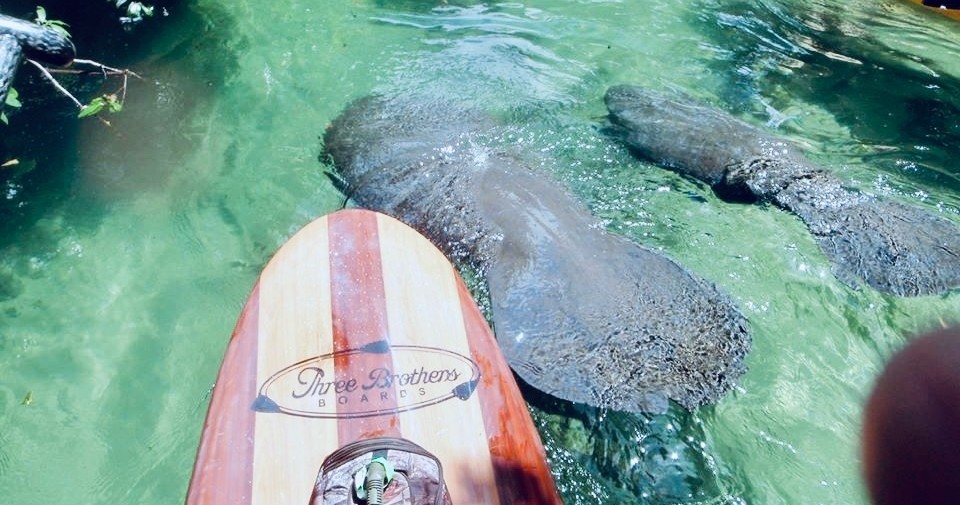
Practically speaking, dolphin watching from Casselberry is adaptable. If you want ease and accessibility, a larger boat tour from a nearby marina offers comfortable viewing and interpretive guides. For more active travelers, guided kayak and paddleboard excursions place you on the water at eye level with the animals and the marsh. For photographers or those seeking a personalized itinerary, private charters or half-day trips can be organized to focus on sunrise light, specific estuaries, or combined birding and dolphin-watching days. Whatever the mode, the best outings combine patience, ethical practice, and a willingness to let the tide and weather shape the plan.
Dolphins in this region are primarily Atlantic bottlenose dolphins, social and curious animals that use estuaries both as feeding grounds and social space. Their behavior—surfing bow waves, coordinated hunting, and close mother–calf relationships—can be observed year-round, though local movement patterns and visibility shift with tides, seasons, and forage availability.
Because Casselberry is inland, planning a dolphin trip typically includes travel to coastal launch points and marinas. That short interlude off the interstate or county road is part of the payoff: it transitions you from piney suburbs to salt-scented shorelines and reveals Florida’s layered habitats—lakes and swamps inland, estuaries and barrier islands toward the sea.