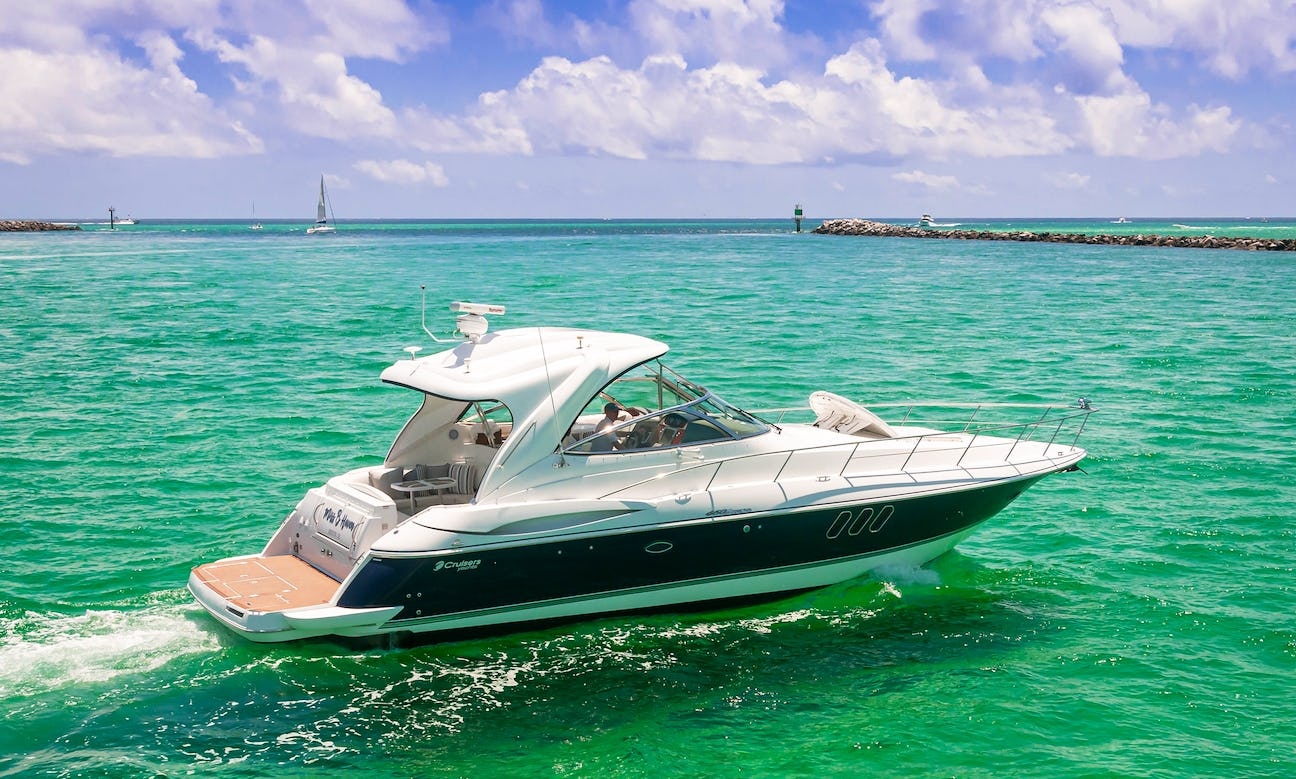
There are places where nature feels arranged for spectacle; Cedar Key is not one of them. The town's quiet charm is born of repetition and resilience — tidal rhythms that have shaped shoreline flats for centuries, salt-tolerant plants that stitch the edges of islands, and a working waterfront where oysters and shrimp anchor both economy and ecology. Eco tours in Cedar Key are sympathetic to that pace. Guides translate subtle cues: the direction of gull flight, the exposed scallop-shaped sweep of a shell bed at low tide, or the slow, purposeful feeding of a bottlenose dolphin. What begins as a checklist of species gently unfolds into an understanding of how estuaries function, why seagrasses matter for juvenile fish, and how human choices upstream change what happens on these flats.
Guided experiences range from short, interpretive boardwalk walks to multi-hour boat trips that thread salt marsh channels and visit tiny, uninhabited keys. The value of a guided eco tour here is twofold: place-based knowledge and low-impact access. Many of the best observation points — secluded mudflats, seagrass meadows, and crab-lined oyster bars — are reachable only by shallow-draft skiff or paddle craft and change with the tide. Local operators time departures around tidal windows to maximize wildlife sightings and minimize disturbance. On kayak tours you'll learn how to read the water and the tides; on boat tours you'll hear about local restoration projects, like oyster reef rehabilitation, that are restoring habitat and creating more resilient shorelines. There are also citizen-science opportunities woven into some itineraries — counting shorebird numbers during migration or helping monitor seagrass health — which align tourism with conservation.
Cedar Key's cultural frame lends depth to the ecological story. A century-old fishing and oystering community provides historical perspective: the same bends in the channel that funnel shrimp into nets were navigated by the town's earliest settlers. That human story is part of the interpretive arc of many tours, connecting visitors not only to birds and fish but to livelihoods shaped by the sea. For travelers, that makes an eco tour feel less like ticking boxes on a species list and more like entering a place where nature, history, and stewardship meet. Practical benefits follow: these tours are broadly accessible (low technical demand), family-friendly, and readily combined with complementary experiences — shelling walks at low tide, bicycling the quiet Island Trail, or a sunset kayak trip for bioluminescence viewing in summer months — making Cedar Key a compact, layered destination for anyone seeking a slow, thoughtful nature experience.
The mosaic of habitats — mangrove islands, salt marsh, seagrass beds, and oyster bars — concentrates wildlife and makes short tours surprisingly productive. Expect shorebirds in migration seasons, wading birds year-round, fish nurseries visible in shallow water, and regular dolphin sightings.
Local operators emphasize education and stewardship. Many eco tours incorporate topics like water quality, habitat restoration, and responsible viewing practices so visits have a low footprint and support ongoing conservation efforts.
Choose by purpose
Whale watching, snorkeling, sunset sailing, cultural canoeing, harbor sightseeing, or private chartering.
Start near the city
Waikiki and Honolulu Harbor are primary hubs, with some trips launching near Hanauma Bay.
Confirm the vessel
Gangways, shaded seating, and boarding requirements vary according to vessel size and operator.