Cedar Key is not about dramatic drop-offs, towering coral gardens, or blue-water pelagic encounters. It’s a place where the Gulf of Mexico slows to an intimate pace and the world under a thin ribbon of surface becomes legible—the slow shuffle of a ray through seagrass, the glassy silhouette of a turtle, schools of baitfish blinking like string lights in the shallows. The islands sit on a mosaic of flats and channels that warm quickly in spring and stay mild into autumn; visibility is often best on calm, low-wind days when tannins settle and the sun heats the shallow bottom. That combination makes Cedar Key ideal for travelers who want accessible, family-friendly snorkeling that rewards patient observation rather than adrenaline.
The cultural setting enhances the experience. Cedar Key’s working waterfront, old Florida town center, and tidy marinas mean you can pair a morning of snorkeling with an oysters-and-late-afternoon fisheries conversation at a local eatery. The historical rhythm of the place—saltworks, netting, and small-boat fisheries—remains visible. The marine life you see ties directly to those traditions: seagrass supports mullet and pinfish that feed local birds and anglers, while oyster bars act as living breakwaters and nurseries. Snorkeling here is as much about reading an ecosystem as it is about spotting fish.
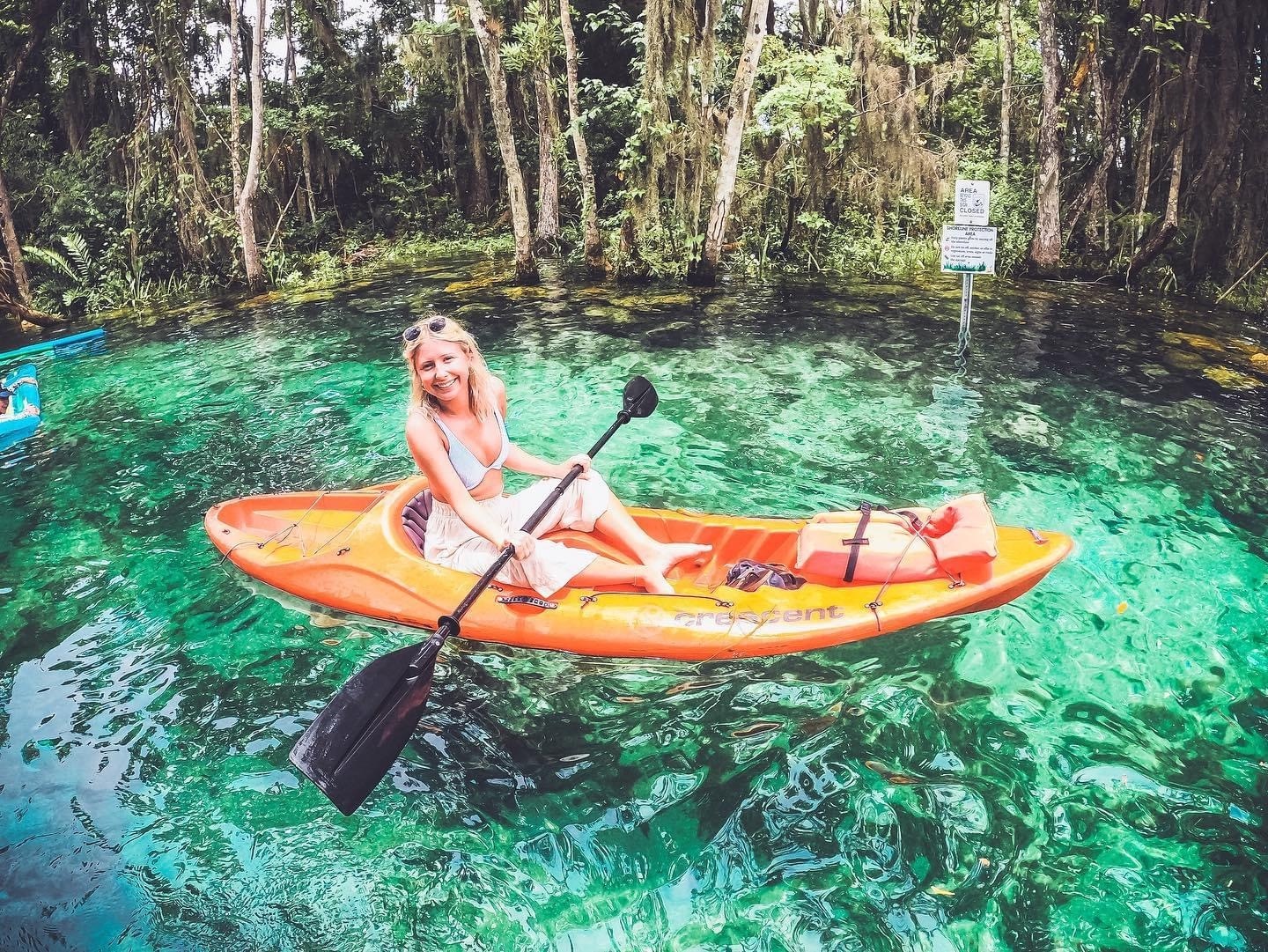
Practically, Cedar Key offers a spectrum of ways to get wet. Shore access near low-traffic beaches and parks suits beginners and kids; kayak or SUP launches let you reach nearby bars and channels without needing a motorboat; charter skiffs run short trips to deeper pockets where stone bottom and scattered hard substrate concentrate life. Because most routes are shallow and close to shore, trips are short, logistics simple, and the threshold for entry low—no scuba certification, minimal boat time, and a high payoff for minimal gear. That accessibility also means the place can be busy in fair weather, and conditions are tidal and wind-dependent: a quiet morning can be transformed by an afternoon blow or incoming tide.
If you’re imagining dramatic reef pictures, Cedar Key will reframe that expectation into something quieter and closer. The prize here is nuance: the color palette of seagrass, the choreography of small communities of fish, the way a juvenile goliath grouper or a loggerhead silhouette suddenly appears in a channel. Snorkeling in Cedar Key is an invitation to slow observation, to pair a simple skill set with curiosity, and to leave with a clearer sense of how coastal Gulf ecosystems function and why they matter.
The shallow geometry and extensive seagrass beds create habitats that favor juvenile fish, rays, turtles, and invertebrates. Expect to spend more time watching behavior than searching for rare species.
Tides and wind have an outsized effect—choose low-wind mornings and check tide tables. Visibility can improve dramatically on an incoming or slack tide, depending on the site.
The harbor is the gateway, and the Pacific becomes the classroom.
Cedar Key pairs well with other low-impact water activities: kayak tours, birding on the marsh edge, and guided eco-cruises that provide context for the species you’ll see underwater.
Choose by purpose
Whale watching, snorkeling, sunset sailing, cultural canoeing, harbor sightseeing, or private chartering.
Start near the city
Waikiki and Honolulu Harbor are primary hubs, with some trips launching near Hanauma Bay.
Confirm the vessel
Gangways, shaded seating, and boarding requirements vary according to vessel size and operator.