Water Activities in Cedar Key, Florida
Cedar Key Water Activities Guide

Water Activities in Cedar Key, Florida

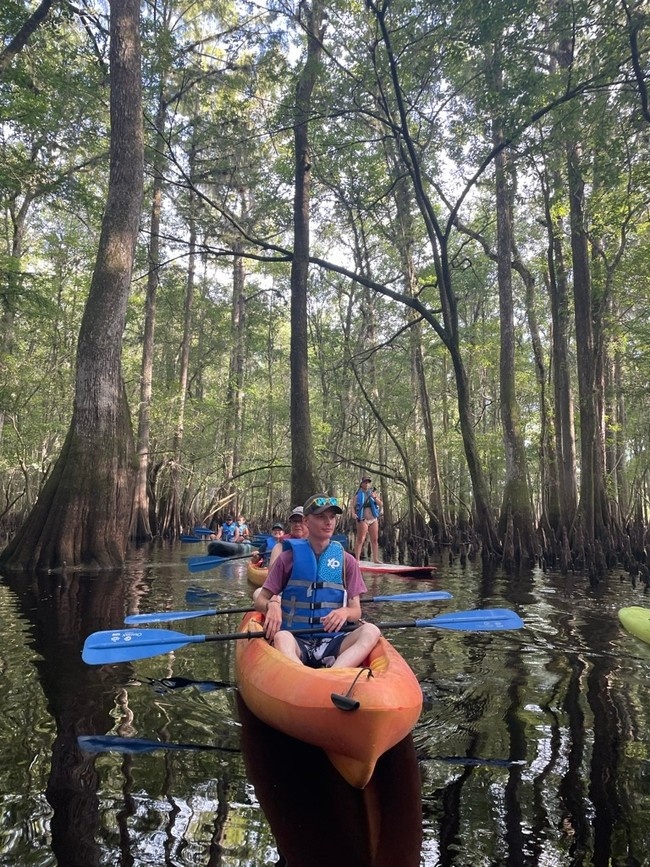
A tight cluster of low, shell-scarred islands and wide estuaries, Cedar Key is a tidal landscape built for slow, sensory water adventures. The air smells of salt and wading birds; the water alternates between glassy flats at low tide and churning channels at the edges of the Gulf. Kayakers and paddleboarders weave through mangrove tunnels, anglers fish the skinny-water guts for redfish and trout, and small-boat captains island-hop to secluded beaches. This guide focuses on the water—how to move through it safely, when to go, and how to fold in fishing, birding, and snorkeling for a full Cedar Key experience.

Gulf CoastCedar Key National Wildlife RefugeTidal Flats & Salt MarshesIsland Hopping

Live destination inventory

Top Water Activities Trips in Cedar Key

79 trips · Book with confidence · Instant confirmation

The prototype intentionally does not invent replacement trip cards or add images that are not already part of the live source page.

The city from the water

Why Cedar Key Is a Standout Water Activities Destination

Cedar Key is the kind of place where water defines the day. Tides carve temporary highways through seagrass beds, and islands that appear as sand at low tide become tiny, wind-swept sanctuaries at high. The experience here is slow and tactile: a paddle that requires reading the tide, a cast that answers the wake of a passing boat, a shoreline that yields scallop shells and ghost crabs underfoot. For anyone who enjoys intimacy with coastal ecosystems—kayakers who like to ghost along mangrove roots, anglers who chase structure in shallow water, or birders who time sunrise over rookery islands—Cedar Key offers a compact, approachable playground. This is not big-water adventure in the sense of deep-sea chopping spray or alpine seriousness; it’s an estuarine craft. The area’s scale is part of its appeal. Short crossings between islands, long runs through wide flats, and sheltered docking options mean that outings can be tailored to skill and stamina: a ninety-minute paddle through a mangrove-lined cut, a half-day of light-tackle in calm channels, or a sunset cruise that ends with a shrimp-and-grits dinner at a waterfront café. Ecologically, Cedar Key sits at an intersection—salt marshes, seagrass meadows, and open Gulf waters converge here, supporting a concentration of shorebirds, wading birds, and marine life that rewards quiet observation. Planning for Cedar Key’s water activities is about timing and respect for shifting conditions. Tides and wind determine access to many islands and influence how shallow channels read under a kayak or skiff. Seasonality brings changes in temperature and visitor numbers—the Gulf warm months invite snorkeling, scalloping, and longer paddles; shoulder seasons offer temperate days and high bird activity; winter can be quieter, with clearer light and brisker paddling. Wherever you land on the skill spectrum, Cedar Key’s water activities are best approached with simple preparation: check tides, bring sun protection and a reliable PFD, and leave room in the day for the slow discoveries that happen when water and shore meet.

Scale and variety make Cedar Key accessible: short, sheltered paddles and family-friendly fishing mix with longer cross-channel trips and guided eco-tours that reach remote rookeries.

Ecology drives the experience—seagrass flats, oyster bars, and mangrove corridors concentrate wildlife, making even brief outings rich with birding, shelling, and snorkeling opportunities.

Activity focus

Choose by purpose

Whale watching, snorkeling, sunset sailing, cultural canoeing, harbor sightseeing, or private chartering.

Departure hubs

Start near the city

Waikiki and Honolulu Harbor are primary hubs, with some trips launching near Hanauma Bay.

Accessibility

Confirm the vessel

Gangways, shaded seating, and boarding requirements vary according to vessel size and operator.
Seasonal planning

Best Time to Visit

Cedar Key is warm year-round, but wind, swell, migration, visibility, and demand change the best match between traveler and trip.

Cedar Key boat tour
Year-round destination

Seasonal highlights change the reason to go

Winter favors humpback encounters; warmer, calmer months favor snorkeling visibility and smoother water.

Humpback season

Summer and early fall are busiest for boating, fishing charters, and water recreation.

Prime whale watching, winter holidays, higher demand, and earlier sell-outs.

Snorkeling window

April–May–June–July–August–September–October

Typically gentler seas and clearer water for snorkeling trips.

Weather notes

Trade winds year-round

Warm, humid summers bring calm mornings and afternoon sea breezes; the Gulf is warm for swimming and snorkeling through late summer into fall. Hurricane season (June–November) can bring storms—monitor forecasts. Winters are mild and quieter, with cooler paddling temperatures.

Quieter opportunities

Late spring & summer weekdays

Late fall through early spring offers solitude, excellent birding, and lower boat traffic; plan for cooler weather and shorter daylight hours.

Match the trip to your comfort

Choose Your Experience Level

Low effort

Beginner

Short, sheltered paddles in calm channels and around marina areas. Beginner outings avoid long open crossings and focus on wildlife viewing and relaxed exploration.

  • Protected estuary paddle near docks
  • Introductory guided mangrove tour
  • Shoreline shelling and short SUP session
Active day trip

Intermediate

Longer paddles between islands, light offshore crossings in protected weather, and inshore fishing sessions that require basic navigation and tide awareness.

  • Island-hopping paddle to nearby sandbars
  • Half-day inshore fishing trip
  • Snorkel and seagrass meadow exploration
Longer or technical

Advanced

Extended cross-channel routes, self-supported day trips that require precise tide and wind planning, and small-boat handling in mixed conditions.

  • Cross-channel navigation to remote keys
  • Multi-stop expedition with tide-synced landings
  • Solo long-distance SUP or kayak routes with route planning

Prepare for sun, spray, and swell

What to Bring

Essential

Core kit

  • Personal flotation device (PFD) — required by law for most small craft
  • Sun protection: wide-brim hat, sunscreen, UV-blocking layers
  • Dry bag for phones, maps, and extra clothes
  • Waterproof map or downloaded GPS route and tide chart
  • Plenty of water and high-energy snacks
Recommended

Useful extras

  • Light reef shoes or sandals for landing on shell beaches
  • Paddle leash for SUP and spare paddle for kayaks
  • Basic first-aid kit and whistle
  • Binoculars for birding and shoreline scouting
  • Reef-safe sunscreen and small trash bag to pack out waste
Optional

Trip-specific

  • Snorkel mask and fins for shallow reefs and grassbeds
  • Fishing license (as required) and light tackle for inshore species
  • Camera with waterproof housing
  • Portable phone charger
Check tidal charts and local weather forecasts before launching; respect wildlife closures and shellfishing regulations; and always carry a charged phone or VHF if heading beyond sheltered water.

Insider Tips & Local Knowledge

Reserve whale-watching and popular sunset cruises well ahead during December–April.
Choose morning snorkeling departures for calmer seas and better underwater visibility.
For motion sensitivity, choose a larger vessel, sit mid-ship, and take preventative medication before boarding.
Do not touch coral or wildlife, avoid standing on reefs, and use reef-safe sunscreen.
Community-based operators may add context about traditional navigation and stewardship.
Arrive early for parking and check-in because Waikiki departure areas can be busy.

Planning questions

Frequently Asked Questions

Most public waters are open for kayaking and paddleboarding without special permits, but certain wildlife refuge areas may have restrictions. Always check local regulations and refuge rules before launching.
Water Activities in Cedar Key, Florida
Ready for your water activities adventure?

Browse 79 verified trips in Cedar Key.

Compare current availability and book with instant confirmation.

Explore Cedar Key water activities