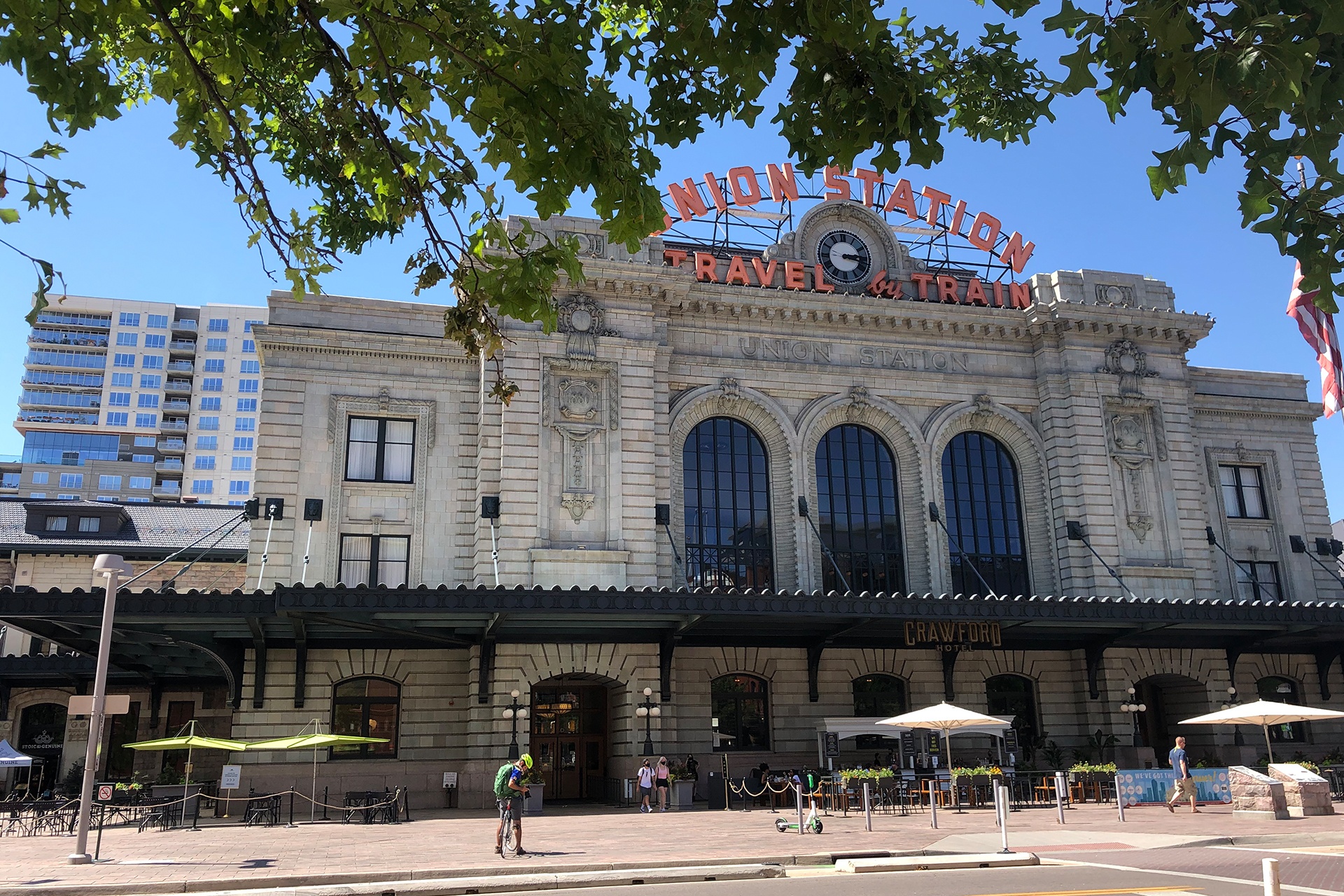
Trains in Centennial are practical and quietly cinematic. They’re not the alpine tourist railways of the West, but rather the arteries that connect suburban neighborhoods to the big-picture landscapes beyond Denver. Ride the light rail on a weekday morning and you’ll see the town in motion—commuters with coffee, cyclists rolling bikes onto racks, parks and strip malls sliding past the window. Ride on a clear weekend and the Front Range asserts itself: low foothills and vast sky make even a short trip feel like transit to something bigger.
This is a place where the experience of the train is as much about access as it is ambiance. A half-hour rail hop can turn a neighborhood outing into a trailhead approach, or it can be the most efficient and low-stress way to reach Denver for cultural detours and trailheads outside the city. For photographers and rail-curious travelers, the contrast between glassy light-rail windows and the agricultural edges of suburban sprawl provides striking, directional light. For families and casual adventurers, trains eliminate the parking scramble and condense travel time into a low-effort slice of your day.
Environmental and urban planning currents also give Centennial’s trains a different flavor. Transit corridors double as greenways and bike-friendly streets; many stations anchor mixed-use developments with cafes and local shops—ideal micro-start points for walks or last-mile bike rides. Seasonality shapes the feel more than the availability: crisp winter light and snow-dusted low hills feel starkly different from the humid summer evenings when you ride home under a lavender sunset. Practicalities—timetables, bike policies, and last-train times—matter here. The best train experiences in and around Centennial are the ones that are planned, combining a short rail ride with a longer outdoor framing: a riverside path accessed via a station, a brewery or farmers market within easy walking distance, or a rail-to-ride day where you take the train out and pedal back along a regional trail.
Trains here are connectors—efficient, predictable, and often the easiest way to stitch together urban conveniences with suburban trailheads or Front Range access points.
The best experiences combine a short rail trip with an outdoor anchor: a greenway, an overlook, a bike path, or a neighboring town’s trail network.
Expect practical amenities at stations—park-and-ride lots, sheltered platforms, and basic transit info—but plan for last-mile logistics like bike racks, rideshares, or short walks.