Why Chincoteague Is a Standout for City Tours
Chincoteague is the sort of place where every street bends back toward water, and every conversation finds its way to the rhythm of the tide. A city tour here is less about monuments and more about a lived sense of place: weathered clapboard, boats pulled up on trailers, shopkeepers who know the day’s catch by smell. Start on Main Street—an approachable sprawl of galleries, bait shops, and oyster counters—and the town quickly spills into salt marshes and quiet lanes lined with hydrangeas and low fences. That intimacy makes Chincoteague ideal for walking tours: you can move from a curated museum exhibit to a wild shoreline in a fifteen‑minute walk, learning how a maritime economy shapes architecture, food, and local rituals.
The town’s history threads through every tour stop. From the grit of commercial fishing and boatbuilding to the seasonal spectacle of the Chincoteague ponies across the channel, human stories intertwine with ecological narratives. Guides often fold natural history into civic history—how tidal wetlands sheltered early settlers, how storms redirected streets, how conservation efforts created the refuge that now protects migratory birds and rare coastal habitats. This overlap of community and ecology creates city tours that feel layered: you’re seeing a place and also understanding the forces that made it what it is.
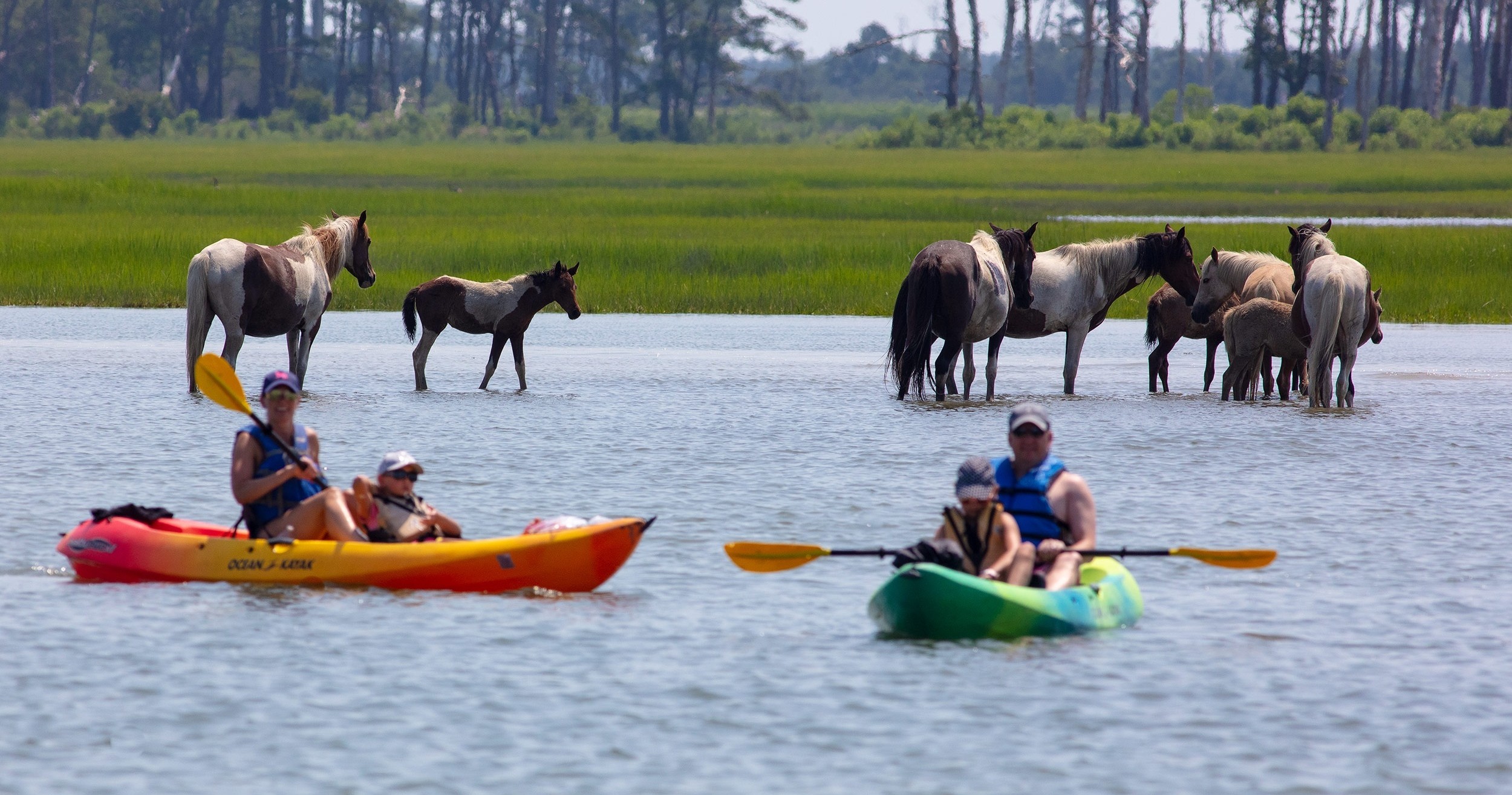
Seasonality here changes the tenor of a tour. Spring and fall highlight birds and migration, turning marsh edges into binocular territory; summer brings a bustle of boaters and seafood visitors; winter offers a quieter, clearer view of waterways and architecture. Because Chincoteague is compact, it’s also accessible. Tours range from easy paced walking routes and narrated trolley loops to e-bike rides that carry you farther along coastal roads. Complementary outdoor activities—kayak trips through channels, lighthouse walks on nearby Assateague, and guided wildlife drives in the refuge—slot neatly into a city‑tour itinerary, so you can balance cultural context with hands‑on exploration.
Practically speaking, a good Chincoteague city tour blends sensory details (salty air, creak of a dock) with practical stops: a fisheries co-op for fresh shellfish, a museum for local archives, and a marsh viewpoint for birding. It’s a tour designed for people who like to move slowly and pay attention: photographers, families, and travelers chasing both quiet streets and wild edges. Expect short walks, easy terrain, and plenty of options to customize—take a guided food tour one afternoon, then rent a kayak the next morning to follow the marsh channels the town was built upon.
A Chincoteague city tour pairs human-scale history with immediate access to coastal ecosystems—ideal for travelers who want context before they head into the refuge or onto Assateague.
Tours are modular: many operators combine historical storytelling with birding, seafood tastings, or short nature walks to create a fuller day without long drives.