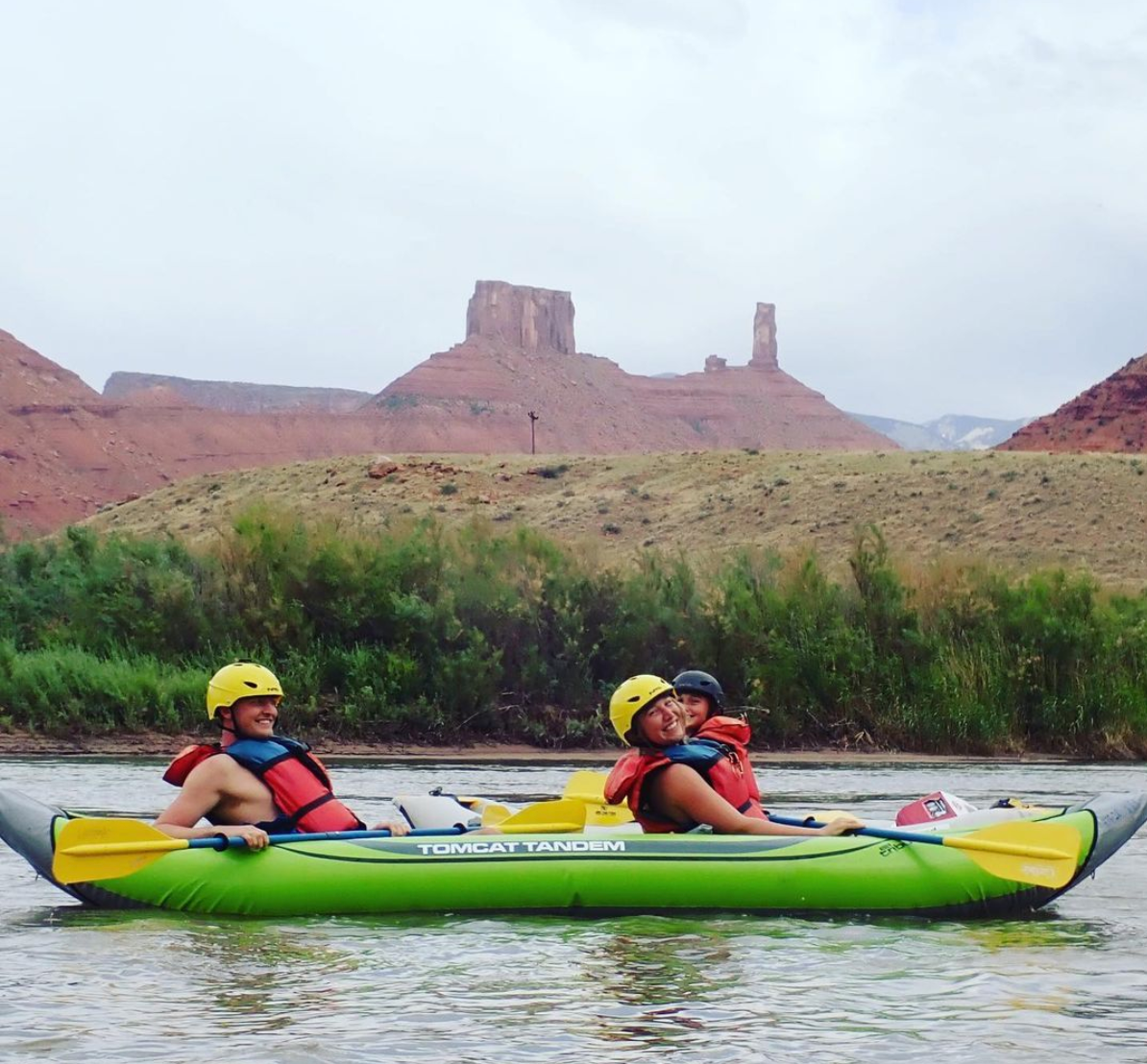
Why Cisco Is Noteworthy for Kayaking
Cisco sits at the intersection of scarcity and scale — a ghost town in a wide-open basin where water appears as a prized, linear anomaly. Kayaking here is less about adrenaline and more about contemplation: a slow, observant practice of reading light on slickrock, tracking the call-and-response of canyon walls, and measuring solitude by the number of ripples you make. The paddling opportunities around Cisco are defined by contrasts. On one side, there are narrow, sheltered arms where rock towers close in and wind is tamed; on another, long reservoir expanses and broad river flows that expose you to the full sweep of desert sky. That variety makes this region appealing both for short exploratory floats and for multi-day, minimalist trips that emphasize routefinding, campcraft, and Leave No Trace discipline.
Geology writes itself here. The canyons and buttes that border paddling channels are textbook cliffs of sandstone and shale — layers peeled into alcoves, undercuts, and dramatic vertical faces. That visual theater matters for paddlers because it shapes microclimates: shade lines, wind funnels, and sudden temperature shifts along the water. The human history pressed into the land — a phantom railroad stop, abandoned foundations, and traces of early extraction economies — gives each shoreline a patina of stories. Paddling past those remnants is a reminder that this is a lived landscape with both natural and cultural values.
Practicality governs the experience. Cisco is remote; cell service can be unreliable and services are limited. You’ll likely be carrying all your fuel, food, and water for the duration of your outing, and launch points can be primitive. That remoteness is also part of the appeal: few motorized crowds, wide vistas, and campsites where you can fall asleep to stars unobstructed by light pollution. But solitude demands preparation. Weather can change quickly in the high desert—spring runoff can swell river flows, and summer thermals spawn strong afternoons winds. In short: plan for contingencies, respect water and weather, and treat the region as a backcountry paddling zone rather than a lakeside amenity.
Complementary activities are close at hand. A kayak day can be paired with short hikes into sandstone alcoves, early-morning photography sessions that exploit the east light on canyon walls, or seasonal fishing where permitted. Off-road drives and scenic overlooks provide alternative perspectives on the same geology, and nearby trailheads reward a quick scramble for sunset views. For many paddlers, the best itineraries blend a quiet float with an evening of dirt-road driving and a morning hike — each element amplifying the sense of remoteness and discovery.
Paddling here favors self-sufficient, compact plans. Short day trips are ideal for testing water conditions and access; multi-day excursions require careful shuttle planning and conservative margins for changing river levels or wind.
Because the region is lightly managed, there are few formal amenities. Treat every trip like a small expedition: carry extra water, a navigation plan, and communication devices suitable for low-coverage areas.