Why Cocoa Is a Standout Place to See Dolphins
Along the eastern edge of Central Florida, the shallow, warm waters braided by mangrove islands and salt marshes create an ideal habitat for coastal bottlenose dolphins. Cocoa sits at the confluence of the Indian River Lagoon system and a network of smaller estuaries—mudflats and channels that teem with the fish, crustaceans, and seagrass beds dolphins follow. The result is encounters that feel intimate and ongoing: pods that use the same channels year after year, young dolphins practicing leaps in the shallows, and seasonal shifts in group size that mirror changes in prey and water conditions.
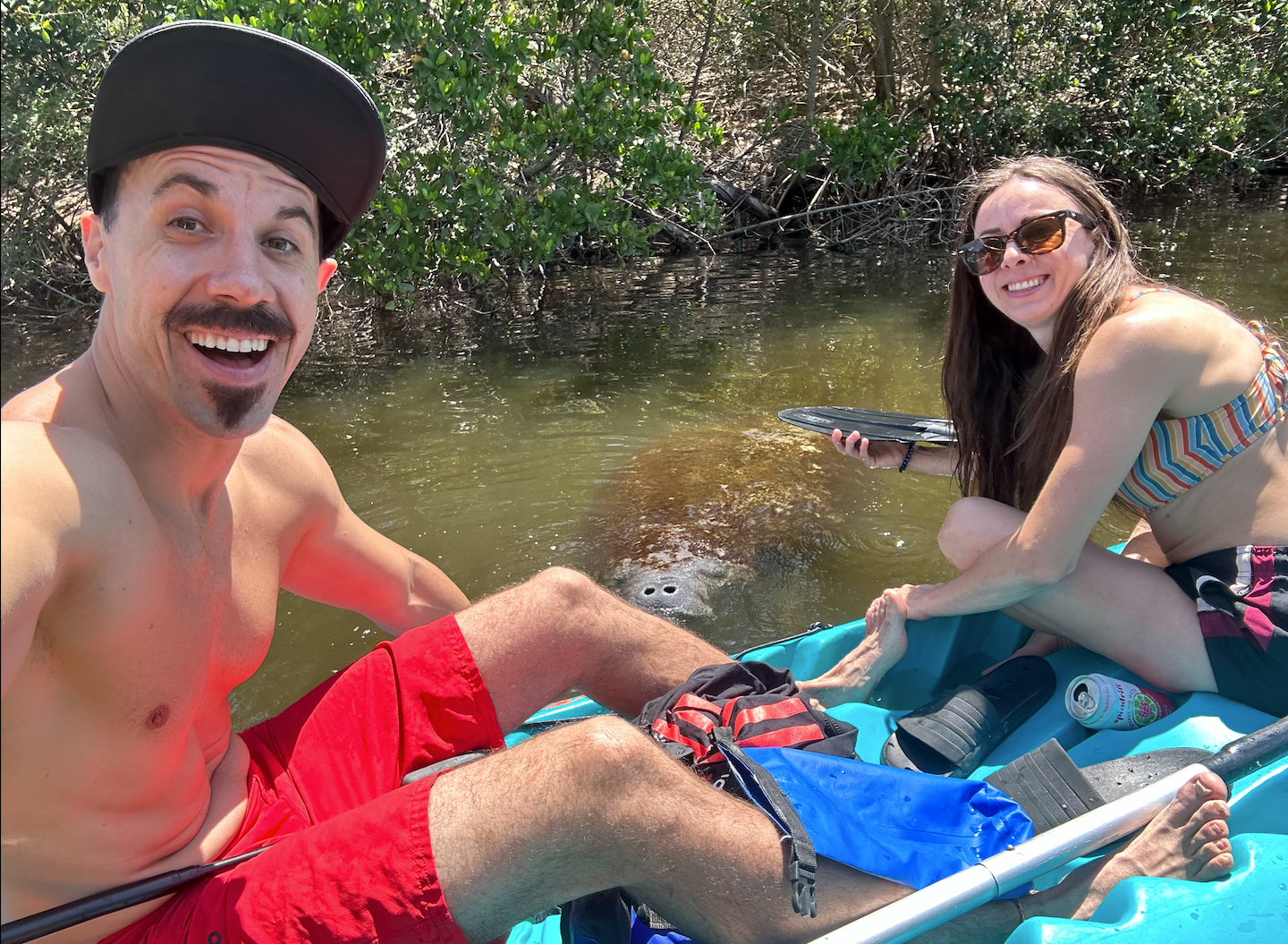
These are not zoo-like shows but a patchwork of behaviors. In one inlet you might witness rapid feeding—dolphins corralling mullet into tight balls—while in another, individuals cruise slowly along channel edges, nosing through seagrass beds. Launching from small public ramps or joining a local outfitter, you experience the landscape at water level: the dense green of mangroves, the whirr of marsh birds, and the sudden silver flash of a dolphin’s back. Cocoa’s proximity to the larger Mosquito and Banana River estuaries also makes it a practical base for longer eco-charters that combine dolphin watching with birding, manatee viewing, and shallow-water snorkeling.
But the promise of close encounters comes with responsibility. Florida’s coastal ecosystems face pressures—habitat loss, water quality challenges, and boat disturbance. Local guides and research groups have developed viewing practices that reduce stress to animals and support meaningful learning for visitors. Many dolphin experiences in Cocoa emphasize education and conservation: opportunities to hear from biologists, participate in citizen-science sightings logs, or take part in habitat restoration outings. This blend of spectacle and stewardship is part of what sets Cocoa apart for travelers who want to watch wildlife and also understand the systems that support it.
Practical access is another advantage. Cocoa’s launch ramps, charter fleet, and calm, protected waterways make dolphin outings accessible to families, kayakers, and photographers. Morning trips often deliver the calmest conditions, while late afternoons bring warm, golden light perfect for silhouettes. Combine a dolphin morning with a visit to nearby Cocoa Village, a stroll along the riverfront, or an afternoon at the Kennedy Space Center for a full-day coastal escape that pairs wildlife and regional culture.
Variety of experiences: small-group eco-boat tours, guided kayak and stand-up paddle excursions, research-oriented charters, and family-friendly sighting cruises.
Cocoa’s estuaries provide predictable dolphin activity, making the area a reliable spot for sightings without needing offshore blue-water trips.
Local outfitters emphasize low-impact viewing: slow approaches, no feeding, and education about behaviors, seasons, and conservation threats.