Top 11 Climbing Adventures in Conway, New Hampshire
Conway Climbing Guide

Top 11 Climbing Adventures in Conway, New Hampshire

Conway is a compact hub for rock climbing in the eastern White Mountains: a mix of clean granite edges, short slab faces, and forested approaches that suit top-rope learners, sport climbers, trad crews, and boulderers alike. From morning sessions on Cathedral Ledge to mixed alpine objectives in the nearby high country, the town’s crags are an accessible, scenic playground with steep fall colors and summer storms that keep every outing honest.

White Mountain National ForestCathedral LedgeWhite Horse Ledge

Live destination inventory

Top Climbing Trips in Conway

11 trips · Book with confidence · Instant confirmation

The prototype intentionally does not invent replacement trip cards or add images that are not already part of the live source page.

The city from the water

Why Conway Is a Climber's Gateway to the White Mountains

There’s an economy to Conway’s climbing scene: short drives, short approaches, and a surprising range of rock within a few miles of the village. Granite ledges rise out of forested ridges and lake shorelines, their faces offering everything from friction-dependent slab to clean cracks that eat cam placements. The result is a concentrated climbing culture where weekends are split between morning laps on established top-rope anchors and afternoons scouting more committing lines for the following season. Climbing here has a layered history. Early climbers tested lines on the most prominent exposures and left a web of classic single-pitch routes that now serve as training grounds for trad fundamentals and sport lead practice. Cathedral Ledge’s sweeping shelves and White Horse Ledge’s compact crags host easily accessible anchors and clear topos—perfect for guiding days, first sport leads, and bouldering circuits in the trees below. The climbing is intimate rather than alpine-big-wall: you won’t spend hours on approach, but you will spend time reading rock and learning how the White Mountains’ microclimates change friction and risk. This intimacy shapes the experience: crags feel social, with local climbers sharing beta and beginners finding quick wins. But Conway also functions as a launch point for more serious vertical travel. A short drive into the National Forest opens access to longer trad lines and, in winter, firm mixed and ice objectives on higher peaks. For travelers, that means you can structure a trip with progressive difficulty—an introduction on well-bolted faces, a transition to gear-heavy crack climbs, and a day in the alpine for those who want to push their skills and gear. From a practical standpoint, Conway’s advantages are tangible: climbing days can be paired with paddling Echo Lake, hiking ridgelines for reconnaissance, or warming up in the village’s cafés. Local guiding services and rental shops make one-day learning curves manageable, while seasonality dictates strategy—spring and fall bring the best friction and light, summer offers long days but afternoon storms, and winter requires alpine experience and avy awareness. For anyone plotting a climbing-focused trip to the White Mountains, Conway is where convenience meets competence: a place to learn, to lead, and to step up into the classic exposures of New England.

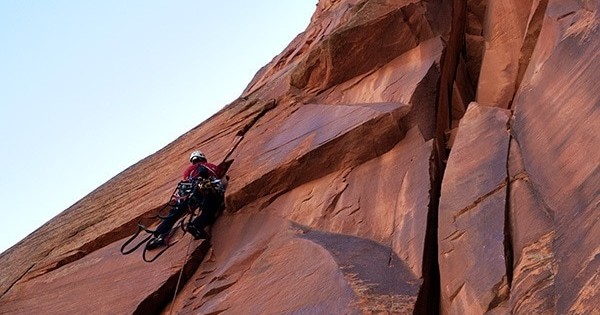
Conway’s climbing is largely single- to multi-pitch granite with a mixture of bolted sport climbs, traditional crack lines, and concentrated boulder problems—ideal for mixed groups.

The town’s proximity to the White Mountain National Forest allows quick transitions from crag days to alpine outings on the Presidential Range, offering year-round diversification for climbers who plan around conditions.

The harbor is the gateway, and the Pacific becomes the classroom.

Local ethic and access are important: be mindful of trail erosion, use established parking and approach paths, and follow seasonal closures when they apply to nesting birds or habitat protection.
Activity focus

Choose by purpose

Whale watching, snorkeling, sunset sailing, cultural canoeing, harbor sightseeing, or private chartering.

Departure hubs

Start near the city

Waikiki and Honolulu Harbor are primary hubs, with some trips launching near Hanauma Bay.

Accessibility

Confirm the vessel

Gangways, shaded seating, and boarding requirements vary according to vessel size and operator.

Seasonal planning

Best Time to Visit

Conway is warm year-round, but wind, swell, migration, visibility, and demand change the best match between traveler and trip.

Conway boat tour
Year-round destination

Seasonal highlights change the reason to go

Winter favors humpback encounters; warmer, calmer months favor snorkeling visibility and smoother water.

Humpback season

Summer weekends and early fall day-trips are busiest, particularly when foliage peaks.

Prime whale watching, winter holidays, higher demand, and earlier sell-outs.

Snorkeling window

May–June–September–October

Typically gentler seas and clearer water for snorkeling trips.

Weather notes

Trade winds year-round

Late spring and early fall typically offer the best friction and stable weather; summer brings long days but frequent afternoon storms, and winter solidifies into ice and snow that require alpine and ice skills.

Quieter opportunities

Late spring & summer weekdays

Winter provides ice and mixed climbing on higher exposures for experienced parties; weekdays in shoulder seasons yield solitude and cooler rock temperatures for confident leaders.

Match the trip to your comfort

Choose Your Experience Level

Low effort

Beginner

Short approaches, bolted top-rope anchors, and low-angle slab routes make Conway friendly for newcomers who want to practice confidence-building moves and belay basics.

  • Top-rope laps on well-bolted faces
  • Introductory sport climbs with a guide
  • Bouldering circuits near trailheads
Active day trip

Intermediate

Climbers ready to lead single-pitch sports, learn traditional gear placements, or link several pitches will find technical slabs, clean cracks, and multi-pitch options that reward route-reading and efficient gear use.

  • Lead sport routes on moderate grades
  • Trad lead practice on protected crack lines
  • Short multi-pitch outings with route-finding
Longer or technical

Advanced

Advanced parties can push into longer alpine objectives, complex trad routes, and seasonally dependent mixed/ice climbs in the higher White Mountains; these require solid self-rescue skills, navigation, and avalanche awareness in winter.

  • Long trad routes and multi-pitch link-ups
  • Alpine approaches into higher-elevation faces
  • Seasonal mixed and ice climbs on nearby peaks

Prepare for sun, spray, and swell

What to Bring

Essential

Core kit

  • Climbing shoes suitable for slab and crack climbing
  • Helmet and harness
  • Single rope (60–70m) for full-length routes or comfortable top-roping
  • Quickdraws and a modest trad rack if you plan to lead cracks
  • Guidebook or downloaded topo and offline map
  • Water, sun protection, and layered clothing for variable mountain weather
Recommended

Useful extras

  • Belay device and backup (ATC/Grigri hybrid setup if leading)
  • Personal anchor system and slings for anchors
  • Bouldering pad and brush for cleaning holds
  • Small first-aid kit and duct tape
  • Headlamp for late exits or early starts
Optional

Trip-specific

  • Approach shoes for mossy access trails
  • Guide-led day or local instructor for lead progression
  • Camera for capturing cliff-top views
  • Lightwork gloves for long belays in cooler weather
Respect anchors, pack out what you pack in, and verify access before you climb.

Insider Tips & Local Knowledge

Reserve whale-watching and popular sunset cruises well ahead during December–April.
Choose morning snorkeling departures for calmer seas and better underwater visibility.
For motion sensitivity, choose a larger vessel, sit mid-ship, and take preventative medication before boarding.
Do not touch coral or wildlife, avoid standing on reefs, and use reef-safe sunscreen.
Community-based operators may add context about traditional navigation and stewardship.
Arrive early for parking and check-in because Waikiki departure areas can be busy.

Planning questions

Frequently Asked Questions

Most day crags in the Conway area are reached via public land and managed parking areas; verify local parking rules and seasonal trail closures before you go.
Top 11 Climbing Adventures in Conway, New Hampshire
Ready for your climbing adventure?

Browse 11 verified trips in Conway.

Compare current availability and book with instant confirmation.

Explore Conway climbing