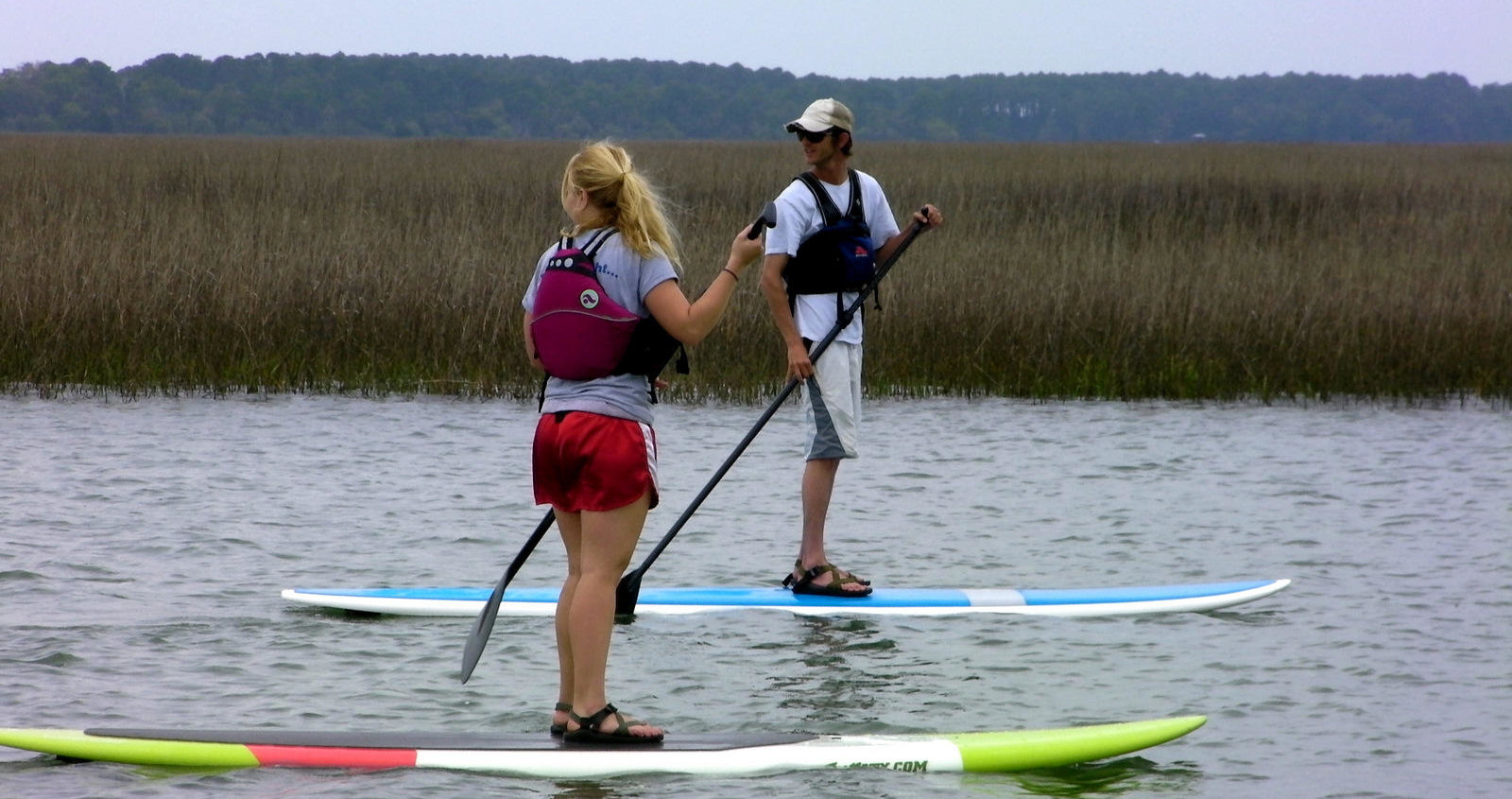
Why Cottageville Is a Standout SUP Destination
Cottageville sits inland from South Carolina’s coast but its paddling identity is powerfully maritime. The town’s proximity to the Edisto River and the larger ACE Basin—a vast mosaic of rivers, marshes, and estuaries—creates sheltered channels and tidal flats that are ideal for stand-up paddleboarding. For SUP travelers, this means long, quiet days on water that rarely sees big wakes or heavy motor traffic: a place where the board becomes a moving lens into a living ecosystem. Paddling here is intimate and deliberate. You glide past spartina grass and oyster bars, watch ghostlike rays skim shallow bottoms, and sometimes paddle beneath the skein of circling ospreys. The flat, glassy water in morning light makes Cottageville especially alluring for photographers and beginner paddlers who prize stability and sightlines.
Beyond the natural beauty, Cottageville’s SUP scene is shaped by contrasts of scale and culture. Small launch points and rural boat ramps give access to wide river expanses without the bustle of larger coastal towns; family-run outfitters and local anglers share knowledge about tides, current seams, and where to spot elusive wildlife. There’s a subtle human history threaded through the creeks—old rice fields and collapsed dikes in nearby lowlands recall the region’s agricultural past, while Gullah-Geechee cultural influences linger in local waterways and coastal practices. On any paddle, you’ll find a mix of natural history and living tradition beneath your feet.
From a practical standpoint Cottageville is forgiving for mixed-ability groups. Routes can be short and sheltered for learners, or extended into tidally influenced runs for paddlers comfortable with navigation and timing. Launches are often informal—gravel ramps, sandy edges, or small public access points—so boards that are easy to carry and stable on variable shores work best. Seasonality matters: late spring through early fall offers warm water and high bird activity, while shoulder seasons provide clearer skies and fewer bugs. Tides play a role in how routes feel; some creeks narrow perceptibly on low tides, while higher tides open hidden side channels and make for easier return paddles. Respect for wildlife and marsh etiquette—staying out of nesting areas, avoiding trampling vegetation, and minimizing noise—keeps the experience sustainable and shared. For travelers, Cottageville’s SUP scene is less about adrenaline and more about immersion: slow, attentive paddling that rewards patience with encounters and light you won’t find from the road.
The variety is small but meaningful: dawn glassy flats for reflective photos, tidal creek circuits for birding and shellfish habitat viewing, and river runs that can be linked into longer point-to-point paddles if you arrange a shuttle.
Because many access points are rural, planning is key—know tide windows, pack for changing conditions, and expect basic facilities. The payoff is near-solitude and wildlife-rich scenery within a short drive of Charleston and surrounding Lowcountry towns.