Why Cottageville Is Ideal for Walking Tours
Cottageville is not a destination of grand summits or thunderous rapids; it is an invitation to move slowly and to notice. A walking tour here is an exercise in listening — to cicadas and distant train whistles, the low chatter of swallows over creek water, the rattle of leaves underfoot. The town’s compact layout makes it an easy place to build short loops that reveal layers of Lowcountry life: tucked‑away Victorian cottages, weathered barns, markers of the old rail line, and churches set beneath draping live oaks. Each step of a walking tour feels intentional, pulling you through the textures of moss, brick, and wide sky rather than past a checklist of big attractions.
Ecology and history braid through Cottageville’s routes. From the edge of town you can thread into rice‑field remnants and tidal creeks where herons stand like sentries, or loop past family cemeteries whose stones tell small, personal stories about migration, agriculture, and community. Because the terrain is low and largely flat, walking here is accessible to many fitness levels; the challenge is subtler: reading the landscape, timing a route for the best bird activity or late‑afternoon light, and carrying enough water for humid afternoons. That quiet accessibility makes Cottageville an appealing base for travelers who want walking tours that connect with complementary activities — paddling the nearby creeks at dawn, cycling quiet county roads between farms, or lingering at a roadside farm stand for peaches and conversation.
Seasonality shapes the sensory experience. Spring produces a flush of understory blooms and an active migration of songbirds; summer brings thick humidity, moonlit insects, and dramatic afternoon thunderstorms that can shorten a planned loop; fall cools the air and turns the late‑day light golden, ideal for photography; winter offers solitude and sharper lines in the landscape, though fewer blossoms. Practical terrain details matter: expect a patchwork of surfaces from pavement to hardpan clay, occasional muddy crossings after heavy rain, and stretches without shade. Where boardwalks exist they often trace marsh edges and will reward quiet footsteps with sightings of egrets and marsh wrens. For travelers, the delight of Cottageville’s walking tours rests in their intimacy — close observation, slow pace, and the small discoveries you only make when you slow down enough to see them.
Walking tours in Cottageville pair well with other Lowcountry pursuits. Start a morning walk before the heat and follow it with a nearby paddling trip on shallow creeks or an afternoon at a local farm stand. The town’s small footprint means multiple short tours can be combined into a half‑day of exploration without extra driving.
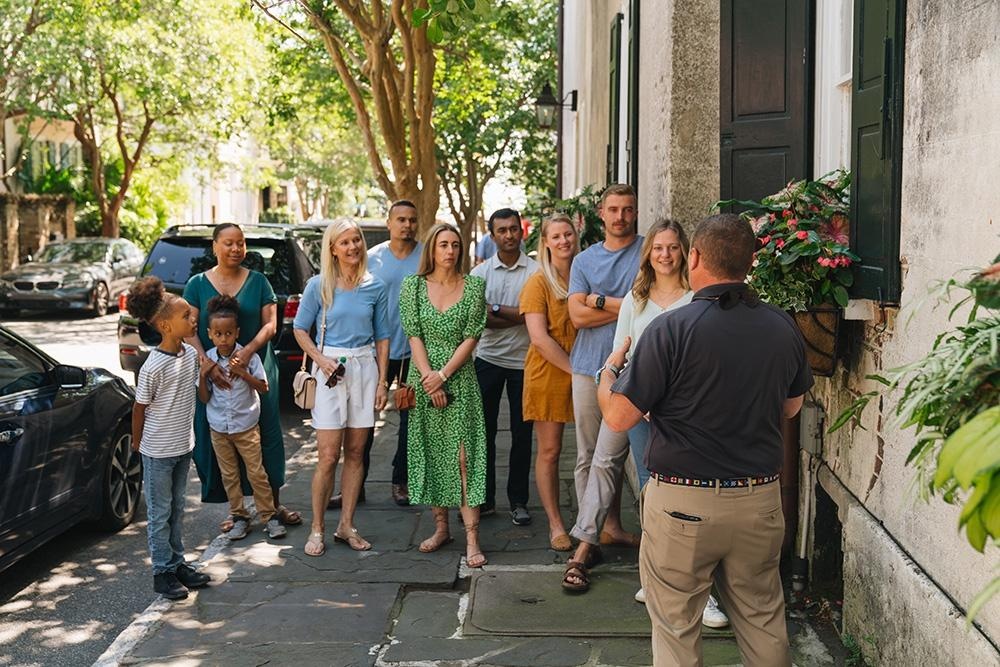
Because the terrain is flat and paths vary from smooth sidewalks to dirt lanes, tours are well suited to mixed groups; families, photographers, and birders can all find routes that match their pace. Seasonal timing — dawn for bird activity, late afternoon for golden light — amplifies what you’ll see and how you’ll remember it.