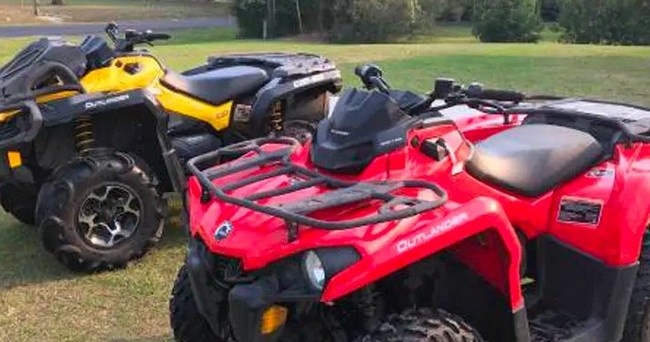
Why Crystal River Works for ATV & UTV Riders
Crystal River is not the kind of place that promises heart-stopping vertical gain or technical rock gardens; instead it cultivates a different kind of riding pleasure: broad, sunlit runs that thread the meeting points of freshwater springs, grazing pastures, and Gulf-coast marshes. Here the ground is a study in contrasts—limestone and shell overlaid by orange-hued sand, mangrove-lined creeks that smell of brine and peat, and dry pine flats dotted with scrub oaks and palmettos. That terrain favors nimble side-by-sides and single-rider ATVs more than full-size desert rigs. The riding rhythm in and around Crystal River tends to be measured and sensory: low gears for soft sand, slow corners for sightlines across wetlands, and the occasional mud patch where inland drainage collects after a summer thunderstorm.
The area's human history and ecological textures amplify the appeal. Crystal River’s springs—dark, clear eyes in the limestone—have drawn people and wildlife for millennia. Indigenous communities, early fishers, and modern eco-tourists have all gravitated to the freshwater outflows that sustain this stretch of coast. When you lift your helmet and listen, the soundscape is layered: cicadas and shorebirds, the distant thrum of a flats boat, and the hush of wind through palmettos. For riders that matters—this is an experience that sits between exploration and stewardship. Many ATV/UTV outings start on private ranchlands or permitted backroads that respect sensitive habitats, then loop toward coastal viewpoints or quiet canals where ospreys hunt.
Practically, Crystal River's value for off-road riders is its accessibility. The town is compact, accommodations are small and service-oriented, and outfitters often pair a morning trail run with a manatee swim or an afternoon of flats fishing. The seasonality shapes the plans: cooler, drier months invite longer rides with fewer bugs and firmer sand, while summer's rains turn soft shoulders into playgrounds—or traps—depending on your gearing and experience. Because protected springs and wildlife refuges sit close by, responsible riding is essential. Routes that skirt seagrass beds, avoid mangrove root systems, and respect posted closures preserve the landscape that makes the region special.
For riders who want variety, Crystal River functions as a base camp: short coastal runs and private loops are excellent in themselves, and a manageable drive opens access to larger public riding areas and more technical terrain. Complementary activities—kayaking among manatees, snorkeling clear spring boils, birding estuaries or sampling local oysters—mean a day of on- and off-machine adventures. Crystal River’s charm for the ATV/UTV traveler comes from this balance: modest, approachable riding that connects you to water, wildlife, and a distinctly Floridian coastal culture without the crowds or the need for alpine-grade gear.
Local scale: Most riding opportunities are short loops, private ranch tracks, and sandy backroads rather than long, continuous trail systems. Expect to piece together routes and to coordinate with local providers for the best access.
Ecology first: Crystal River’s springs and estuaries host sensitive habitats—especially manatees and seagrass beds—so ethical riding and strict avoidance of protected areas are nonnegotiable.
Complementary pursuits: Popular combos pair half-day UTV runs with manatee tours, scallop season boat trips, or flats fishing, making the town ideal for mixed-activity itineraries.