Why Cudjoe Key Is Ideal for Boat Tours
The first thing you notice about boat tours from Cudjoe Key is how naturally the water dictates the itinerary. This is a place where the subtle choreography of tides, flats, and reef lines creates distinct micro-adventures: a morning skiff run across shallow seagrass beds searching for wading birds and bonefish; a midday drift at the reef where coral colonies anchor schools of tropical fish; an evening cruise that uses light and wind to make the horizon feel like a theater. Boat tours here are less about a single marquee sight and more about layered observation — birdlife and crustaceans on the flats, mangrove nurseries humming with juvenile fish, and pelagic species that pass the edges of the reef.
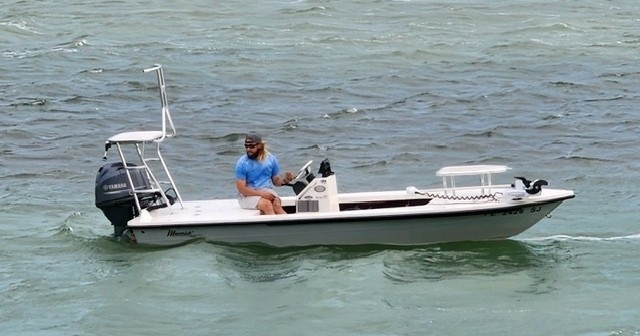
Cudjoe Key’s appeal is practical as much as aesthetic. The island sits in the middle of a complex matrix of backcountry channels, flats, and nearshore reefs that are both ecologically rich and pleasantly navigable. For short itineraries, captains thread narrow mangrove cuts and anchor on shallow flats for wading and shelling; for longer excursions they run to the reef line, offering snorkeling or reef viewing. Operators on Cudjoe Key run a range of vessels — small center-console skiffs for fishing and flats exploration, covered catamarans for family-friendly snorkeling, and intimate private charters for customized wildlife-watching or photography trips. That variety means a boat tour here can be tailored to any traveler’s appetite, from the casual sunset seeker to the angler after a tarpon or permit.
Seasonality is intimate and local: winter and spring bring clearer water and calmer ocean conditions that favor snorkeling and reef visualization, while summer widens the calendar for warm-water swimming and late-day bioluminescence runs. Weather, tides, and marine life patterns influence what you’ll actually see, so local knowledge matters — the best captains read channels and tides and can convert a routine run into a wildlife encounter. Importantly, Cudjoe Key sits within sensitive marine habitats; responsible operators and visitors treat boat tours as opportunities to engage with conservation practices, from keeping distance from spawning aggregations to minimizing anchor damage to seagrass. Practical planning — matching vessel type to the intended activity, checking advisories, and selecting the right time of day — will multiply the value of your time on the water.
Beyond the charts and checklists, boat tours from Cudjoe Key are a tactile education in Florida’s coastal ecology and culture. Guides often weave historical notes about wreckers and sponge boats into explanations of current marine protections. The boat itself becomes a classroom: you’ll learn to watch the surface for changing water color that signals a reef edge, to time your approach to see rays lifting off the sand, and to listen for the distinct call of a mangrove cuckoo. For travelers who value both easy access and ecological depth, Cudjoe Key’s boat tours are compact, richly varied adventures — short enough to fit a half-day, layered enough to reward repeat trips.
Cudjoe Key’s waterways are a condensed sample of Florida’s coastal systems: mangrove-fringed canals, broad seagrass flats, and a nearshore reef just a few miles offshore. That proximity means boaters can shift habitats in a single morning and collect a suite of experiences — birding, snorkeling, fishing, and sunset cruising — without long transit times.
Local operators emphasize stewardship. Many tours include brief naturalist commentary, and captains often pause to point out restoration projects or marine-protected zones. Choosing a licensed, conservation-minded operator helps ensure your visit supports local ecology and responsible tourism.