Top Eco Tours in Cudjoe Key, Florida
Cudjoe Key Eco Tour Guide

Top Eco Tours in Cudjoe Key, Florida

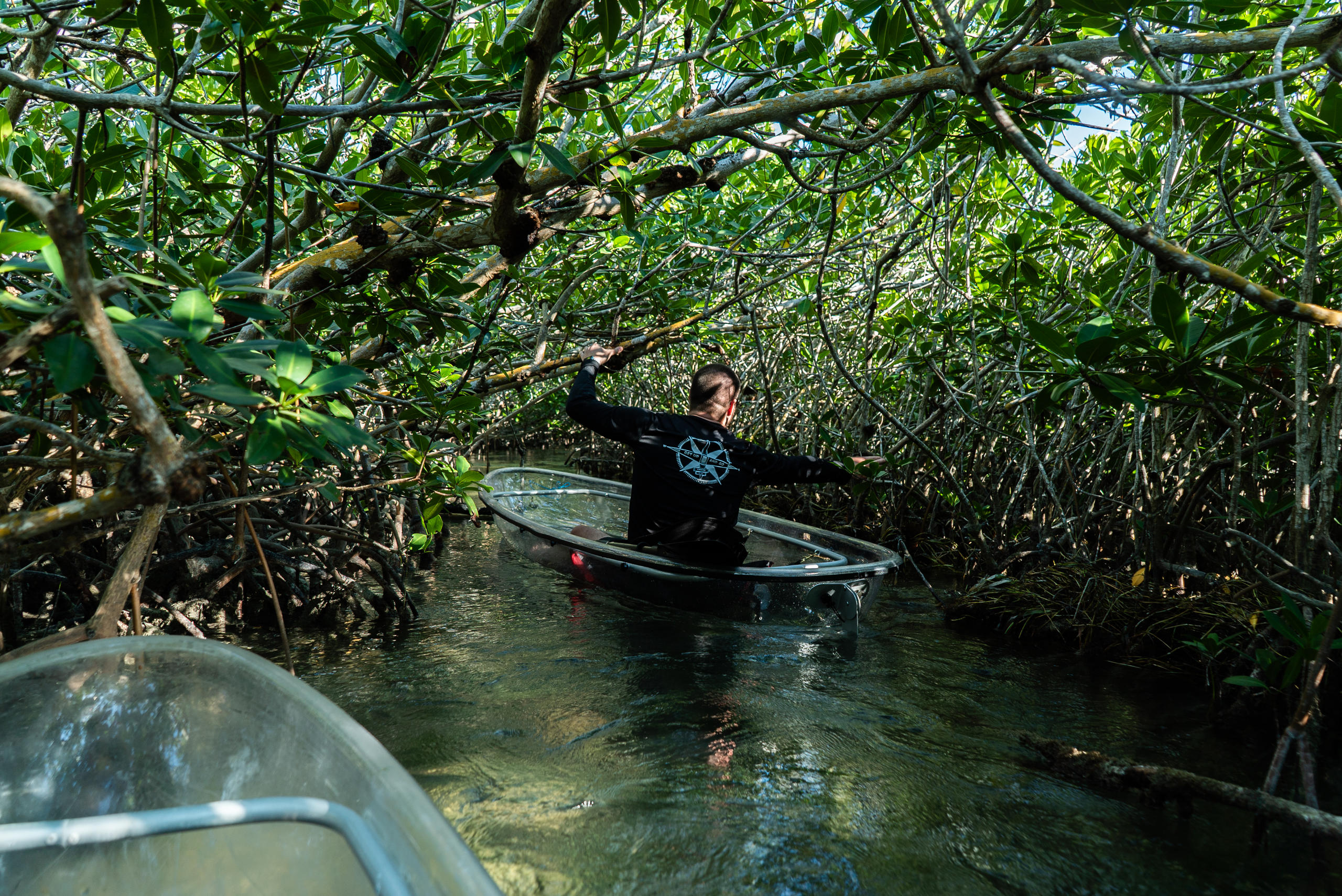
Cudjoe Key is a micro-archipelago of mangrove islands, tidal flats, and shallow coral outcrops where eco tours translate scientific storylines into immediate, sensory experiences. Guided trips here emphasize habitat-first exploration—kayak through mangrove tunnels, boat to shallow reefs, or float above seagrass meadows to watch rays and juvenile fish navigate a fragile nursery. Expect patient observation, local stewardship narratives, and an unusual degree of accessibility: most tours are half-day outings from modest docks or beach launch points.

Lower Florida KeysMangrove isles & tidal flatsFlorida Keys National Marine Sanctuary

Live destination inventory

Top Eco Tour Trips in Cudjoe Key

30 trips · Book with confidence · Instant confirmation

The prototype intentionally does not invent replacement trip cards or add images that are not already part of the live source page.

The city from the water

Why Cudjoe Key Is a Standout Eco-Tour Destination

Cudjoe Key occupies a subtle but crucial place in the ecology and culture of the Lower Florida Keys: it’s a narrow ribbon of road, mangrove islands, and shallow flats that stitches together reef, seagrass, and sheltered nursery grounds. The appeal for eco-tourists is immediate and tactile. Unlike offshore reef towns where the drama is entirely underwater, here ecosystems are layered and visible at once—wading flats studded with conchs, mangrove roots encrusted in sponges, and nearshore reefs that dissolve into emerald seagrass where juvenile fish and rays graze. That intertidal complexity makes every tour an interpretive walk through food webs and human history: locals point out boat channels cut by fishermen, patch reefs rebuilt by volunteer restoration programs, and mangrove stands that buffer storm surge and sustain shorebirds. The narrative you get on a guided eco tour in Cudjoe is both natural history and conservation story—how seagrass health ripples into fisheries productivity, why mangrove restoration matters more now than ever, and how local stewards monitor coral nurseries. Tours here are intentionally approachable. Operators design trips for families and curious travelers as much as for photographers and naturalists. You can join a half-day kayak that threads mangrove tunnels and stops for birdwatching, or take a shallow-draft boat to snorkel a nearshore reef while a guide explains coral restoration techniques and the role of the Florida Keys National Marine Sanctuary. Seasonality shapes the experience: winter and spring bring migratory songbirds and calmer seas, while summer turns the water into a warm aquarium—vibrant but more weather-dependent. The best outings balance immersion and education; expect interpreters who point out subtle signs—a nurse shark resting under a ledge, a conch shell with its iridescent lip, or a tern dive that signals schooling baitfish. Beyond the ecosystems themselves, Cudjoe Key eco tours lean into low-impact practices. Many operators will brief you on reef-safe sunscreen, appropriate distance from wildlife, and how to enter the water without damaging seagrass. Visitors leave not just with photos but with practical takeaways: how to spot seagrass die-off, why mangroves trap carbon and sediment, and what local restoration projects need from volunteers and donors. For travelers seeking an eco-tour that’s both relaxed and instructive, Cudjoe Key offers a compact, high-return slice of the Keys—where every mile of coastline reveals a lesson about resilience, connectivity, and the delicate balance that supports both wildlife and livelihoods.

Layered habitats: mangroves, seagrass flats, and nearshore reefs are all accessible within short trip ranges, making guided tours rich in variety.

Conservation-first tours: many operators tie outings to active restoration work—coral nurseries, seagrass monitoring, and mangrove protection.

The harbor is the gateway, and the Pacific becomes the classroom.

Family-friendly access: shallow launches, gentle currents, and short trip durations make eco tours an easy choice for mixed-ability groups.

Wildlife viewing: common sightings include bottlenose dolphins, juvenile rays, wading birds, and an array of reef fish; occasional manatee and turtle encounters add highlight moments.
Activity focus

Choose by purpose

Whale watching, snorkeling, sunset sailing, cultural canoeing, harbor sightseeing, or private chartering.

Departure hubs

Start near the city

Waikiki and Honolulu Harbor are primary hubs, with some trips launching near Hanauma Bay.

Accessibility

Confirm the vessel

Gangways, shaded seating, and boarding requirements vary according to vessel size and operator.

Seasonal planning

Best Time to Visit

Cudjoe Key is warm year-round, but wind, swell, migration, visibility, and demand change the best match between traveler and trip.

Cudjoe Key boat tour
Year-round destination

Seasonal highlights change the reason to go

Winter favors humpback encounters; warmer, calmer months favor snorkeling visibility and smoother water.

Humpback season

December–April for calm weather, migratory birds, and peak tour availability.

Prime whale watching, winter holidays, higher demand, and earlier sell-outs.

Snorkeling window

November–December–January–February–March–April–May

Typically gentler seas and clearer water for snorkeling trips.

Weather notes

Trade winds year-round

Winters and spring months typically bring calmer seas, cooler temperatures, and better visibility for snorkeling and photography. Summer is warmer and wetter; afternoon thunderstorms are common and the Atlantic hurricane season (June–November) increases the likelihood of closures or rough water. Water clarity can vary with tides and recent storms.

Quieter opportunities

Late spring & summer weekdays

Summer weekdays can offer lower prices and fewer crowds; warm water increases juvenile fish activity but expect more weather-related cancellations and occasional algal blooms.

Match the trip to your comfort

Choose Your Experience Level

Low effort

Beginner

Short, guided outings with minimal paddling or shallow snorkeling in protected areas. Emphasis is on observation, interpretation, and low-impact practices.

  • Mangrove kayak loop (2–3 hours)
  • Shallow-reef snorkel with interpretive guide
  • Walk-and-tide-pool exploration near launches
Active day trip

Intermediate

Longer paddles between flats, multi-site snorkel tours, or boat trips that include hands-on learning about restoration techniques.

  • Full-day boat eco tour with multiple snorkel stops
  • Guided birding and estuary ecology paddle
  • Snorkel and coral nursery visit
Longer or technical

Advanced

Extended wilderness-style outings, volunteer restoration days, or custom private charters focusing on species-specific research and monitoring.

  • Volunteer coral nursery maintenance trip
  • Overnight conservation-focused trip with data collection
  • Advanced sea-skill kayaking through exposed tidal channels

Prepare for sun, spray, and swell

What to Bring

Essential

Core kit

  • Reusable water bottle and snacks
  • Reef-safe sunscreen (broad-spectrum, mineral-based)
  • Hat and polarized sunglasses
  • Light, quick-dry clothing and a wind layer
  • Waterproof bag or dry sack for valuables
Recommended

Useful extras

  • Closed-toe water shoes or reef boots
  • Mask and snorkel (many operators permit personal gear)
  • Small binoculars for birding
  • Motion-sickness remedy if you’re prone
  • Light camera with waterproof housing or case
Optional

Trip-specific

  • Waterproof notebook for field notes
  • Compact field guide (birds or marine life)
  • Reusable gloves for volunteer restoration experiences
Confirm launch locations, tide schedules, and operator cancellation policies before you go.

Insider Tips & Local Knowledge

Reserve whale-watching and popular sunset cruises well ahead during December–April.
Choose morning snorkeling departures for calmer seas and better underwater visibility.
For motion sensitivity, choose a larger vessel, sit mid-ship, and take preventative medication before boarding.
Do not touch coral or wildlife, avoid standing on reefs, and use reef-safe sunscreen.
Community-based operators may add context about traditional navigation and stewardship.
Arrive early for parking and check-in because Waikiki departure areas can be busy.

Planning questions

Frequently Asked Questions

Permits are not required for individual visitors taking guided eco tours. Operators handle any necessary commercial permits for access to regulated areas; check with your tour provider for specifics.
Top Eco Tours in Cudjoe Key, Florida
Ready for your eco tour adventure?

Browse 30 verified trips in Cudjoe Key.

Compare current availability and book with instant confirmation.

Explore Cudjoe Key eco tour