Airplane Experiences in Daly City, California
Daly City Airplane Guide

Airplane Experiences in Daly City, California

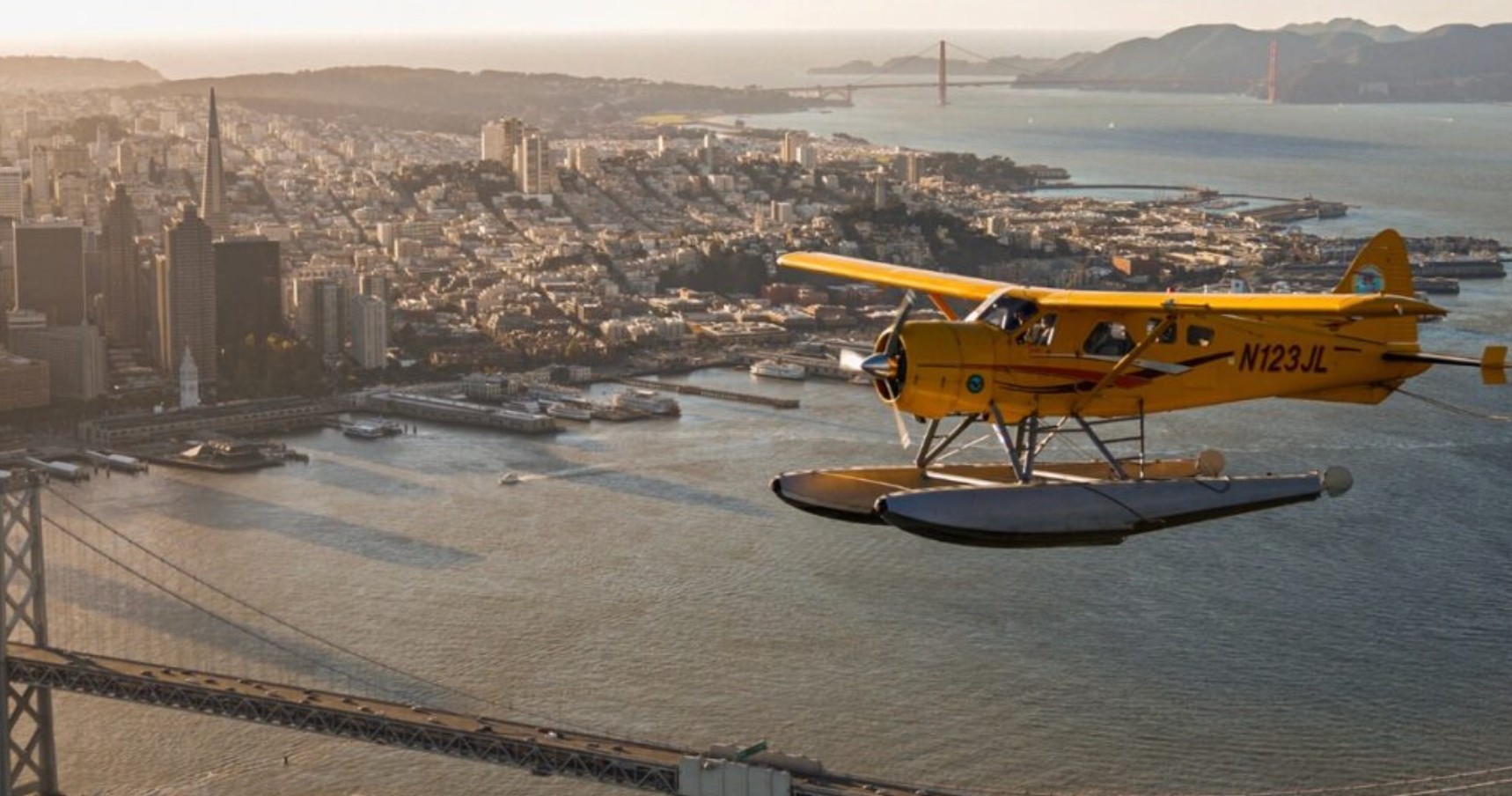
Perched on the northern edge of the peninsula, Daly City is an understated launch point for airplane-based adventures that reframe the familiar: the Golden Gate becomes a knife of rust-red against blue, cliffside surf turns into a ribbon of white, and the checkerboard of the Bay feels intimate and navigable from 1,500–5,000 feet. From short sightseeing hops to coastal photography sorties and pilot-training legs that skirt the Pacific, airplane outings around Daly City are about perspective—speeding comfortably along the shore, threading approaches into San Francisco International, and using the city’s proximity to major airports and smaller airstrips as a base for aerial exploration. Practical and immediate, these experiences suit travelers who want the sensory clarity of ocean spray and engine hum without committing to a full expedition: think hour-long flights that double as photo missions, discovery flights for budding pilots, and tailored charters for groups that crave a scenic shortcut over the Bay.

San Francisco BayCoastline FlightsSFO Approaches

Live destination inventory

Top Airplane Trips in Daly City

18 trips · Book with confidence · Instant confirmation

The prototype intentionally does not invent replacement trip cards or add images that are not already part of the live source page.

The city from the water

Why Daly City Is a Smart Base for Airplane Adventures

Aerial travel around Daly City feels like unlocking a new map of a place you thought you knew. The city itself is a hinge between the dense urbanism of San Francisco and the jagged coast that slides into Pacifica and Montara; it’s geographically small but aviation-rich. From the cockpit, you see why pilots and photographers prize this stretch of coastline: short distances between takeoff and memorable visual landmarks mean flights deliver maximum scenic value in minimal time. Golden Gate Bridge, Alcatraz, the undulating dunes by Fort Funston, and the long sweep of Ocean Beach are all within a single looping sortie, while the approach corridors into San Francisco International provide a kinetic ballet of jetliners, hangars, and water. That proximity to big-airport traffic is an advantage for learners and enthusiasts—the chance to observe and feel the choreography of controlled airspace up close gives sightseeing flights an element of education: you’re not just looking at the landscape, you’re watching modern aviation at work. The weather patterns here shape the experience in dramatic but predictable ways. The famed marine layer that blankets the coast most mornings softens lines, creates moody light for photographers, and clears regularly by midday or afternoon during late summer and early fall—often called the bay’s ‘golden window’ for flying. Wind and ceiling are the real variables; pilots plan around morning fog, waiting for the coastal inversion to break when visibility improves. Evenings bring a different kind of allure: low sun skims the water and gives the cliffs a warm lacquer. For planning, that means flexibility pays. Short flights can pivot to a different route on the fly, and operators commonly adjust departure times to chase clearer conditions. There’s also a practical economy to airplane adventures from Daly City. You don’t need an entire day to appreciate the Bay from above—many operators run 20–90 minute tours that pack a lot of landmarks into a compact itinerary. For photographers, chartering a small plane or sharing a scenic hop with a group is more cost-effective than a bespoke longer flight, while aspiring pilots can find discovery flights and training legs nearby that dovetail easily with local flight schools. Environmentally and culturally, most operators are mindful of noise-sensitive areas and follow established corridors; responsible flying focuses on minimizing disturbance while maximizing public access to the coast’s dramatic geography. In short: Daly City’s value is efficiency—short drives to launch points, quick access to iconic vistas, and weather windows that reward strategic timing—making it an excellent hub for both casual flyers and aviation-minded travelers.

Short, scenic flights deliver outsized views—Golden Gate, coastal cliffs, and cityscapes are visible within a single sortie.

Daly City’s closeness to SFO and nearby airstrips gives travelers options: sightseeing tours, discovery flights, pilot lessons, and charters.

The harbor is the gateway, and the Pacific becomes the classroom.

Weather is the main variable: morning fog is common, while late summer and early fall typically offer the clearest flying conditions.

Aerial experiences here are inherently educational—watch controlled-airspace operations and landing approaches into a major international airport.

Operators tend to follow noise abatement and scenic corridors to balance access with local community concerns.
Activity focus

Choose by purpose

Whale watching, snorkeling, sunset sailing, cultural canoeing, harbor sightseeing, or private chartering.

Departure hubs

Start near the city

Waikiki and Honolulu Harbor are primary hubs, with some trips launching near Hanauma Bay.

Accessibility

Confirm the vessel

Gangways, shaded seating, and boarding requirements vary according to vessel size and operator.

Seasonal planning

Best Time to Visit

Daly City is warm year-round, but wind, swell, migration, visibility, and demand change the best match between traveler and trip.

Daly City boat tour
Year-round destination

Seasonal highlights change the reason to go

Winter favors humpback encounters; warmer, calmer months favor snorkeling visibility and smoother water.

Humpback season

Late summer and early fall (August–October) for the clearest flying conditions and best light for photography.

Prime whale watching, winter holidays, higher demand, and earlier sell-outs.

Snorkeling window

September–October–August–July

Typically gentler seas and clearer water for snorkeling trips.

Weather notes

Trade winds year-round

Coastal marine layer (fog) is common in the mornings, especially late spring and early summer. Late summer and early fall usually provide the clearest skies and most reliable visibility. Wind and low ceilings can cause cancellations—operators typically favor midday to afternoon departures once the marine layer lifts.

Quieter opportunities

Late spring & summer weekdays

Winter and spring can be quieter with lower demand and potential cost savings, though fog, lower ceilings, and stronger coastal winds increase the chance of delays or cancellations.

Match the trip to your comfort

Choose Your Experience Level

Low effort

Beginner

Short, low-altitude sightseeing flights and discovery flights — ideal for first-time flyers who want panoramic views without the commitment of longer charters.

  • 20–40 minute Golden Gate and Bay scenic hop
  • Coastal quick loop above Pacifica and Montara
  • Discovery flight with a local flight school
Active day trip

Intermediate

Longer sorties focused on photography, sunset flights, or coastal-to-harbor loops that require better timing, basic planning for light, and coordination with the operator.

  • Sunset photography flight along the coastline
  • Hour-long Bay circuit including Alcatraz and Angel Island overflights
  • Shared charter for small groups with flexible routing
Longer or technical

Advanced

Hands-on experiences such as pilot-training cross-country legs, aerobatic introductions, or custom charter missions that demand prior experience, briefing, and a higher tolerance for variable weather.

  • Tailwheel or stick-and-rudder training hops (introductory lessons)
  • Aerobatic or utility flights (where available from specialized operators)
  • Custom photography charters focusing on specific light windows or events

Prepare for sun, spray, and swell

What to Bring

Essential

Core kit

  • Government-issued photo ID (required for many operators and check-in)
  • Camera with easily accessible lenses and secure strap
  • Layered clothing—coastal air is cool and can be breezy even in summer
  • Motion-sickness remedy if you’re prone to airsickness
  • Comfortable, closed-toe shoes for getting in and out of small aircraft
Recommended

Useful extras

  • Headset or ear protection (some operators provide these)
  • Small daypack to keep gear organized at the airfield
  • Sunglasses and sun protection for glare over water
  • Portable battery for camera/phone
  • Light waterproof shell in case of marine spray or cool winds
Optional

Trip-specific

  • Polarizing filter for aerial photography
  • Binoculars for pre- and post-flight shoreline viewing
  • Notebook for jotting coordinates or photo times
  • Layers for chilly post-flight winds at coastal overlooks
Plan around the marine layer, book flexible times, and prioritize operators who supply headsets and clear weather policies.

Insider Tips & Local Knowledge

Reserve whale-watching and popular sunset cruises well ahead during December–April.
Choose morning snorkeling departures for calmer seas and better underwater visibility.
For motion sensitivity, choose a larger vessel, sit mid-ship, and take preventative medication before boarding.
Do not touch coral or wildlife, avoid standing on reefs, and use reef-safe sunscreen.
Community-based operators may add context about traditional navigation and stewardship.
Arrive early for parking and check-in because Waikiki departure areas can be busy.

Planning questions

Frequently Asked Questions

No passenger-specific permits are required for commercial scenic flights, but operators must comply with FAA regulations and local noise/overflight guidance. Book with a licensed operator and confirm check-in requirements.
Airplane Experiences in Daly City, California
Ready for your airplane adventure?

Browse 18 verified trips in Daly City.

Compare current availability and book with instant confirmation.

Explore Daly City airplane