Top Fishing Adventures in Daytona Beach, Florida
Daytona Beach Fishing Guide

Top Fishing Adventures in Daytona Beach, Florida

Daytona Beach is more than a stretch of sand and speedways; it's a layered coastal fishing landscape where surfcasters, inshore guides, and bluewater skippers converge. From flats dotted with seagrass to the deep-blue drop of the Gulf Stream a short run offshore, anglers can chase everything from redfish and snook to sailfish and mahi in a single day.

Halifax RiverPonce InletMosquito LagoonDaytona Beach Pier

Live destination inventory

Top Fishing Trips in Daytona Beach

11 trips · Book with confidence · Instant confirmation

The prototype intentionally does not invent replacement trip cards or add images that are not already part of the live source page.

The city from the water

Why Daytona Beach Is a Standout Fishing Destination

Daytona Beach presents a compact cross-section of Florida saltwater fishing—accessible surf and pier angles, sheltered estuary flats, tidal creeks that feed the Halifax River, and quick access to a productive nearshore and offshore shelf. The city’s seaside geography compresses diversity: you can cast from a public beach at sunrise for pompano or scallop along a calm back-bay by midday, then rendezvous with a charter for a late-afternoon troll into the Gulf Stream that produces mahi and sailfish. That compression makes Daytona an efficient base for anglers who want to sample multiple gear types and species without long transfers. Historically, the waters here supported commercial shrimping and small-boat fishing communities that still influence local culture. At dawn the marinas hum with captains checking charts and bait, and evenings often find fish houses running scales as anglers share tips over cold drinks. That knowledge network is practical gold: local captains read subtle tidal shifts, know when seagrass edges come alive, and can match fly patterns or lures to a day's changing light and currents. Environmentally, the region’s estuaries—Mosquito Lagoon and the Halifax River—are nurseries. Seagrass beds, oyster bars, and mangrove shorelines sustain juvenile fish and attract predators; anglers who respect those habitats find consistent, healthy fisheries and also play a role in reporting changes like algal blooms or habitat loss. From a planning perspective Daytona’s appeal is pragmatic. The proximity to the Gulf Stream shortens fuel time to productive bluewater grounds compared with many other Atlantic coast ports. Public access is abundant—piers, municipal boat ramps, and put-ins for kayaks and paddle craft mean you don’t need a private dock to get fishing. For those new to the area, hiring a local guide is the fastest way to translate local tides, license requirements, and species seasons into a successful day. For experienced anglers, the options are tactical: match tides and moon phases for inshore reds and snook, pick outgoing tides for surf action, and plan early-morning or late-afternoon runs for sight-fishing on the flats. Whether you’re casting a bonefish-style fly, drifting live bait for snapper, or setting spreader bars for kingfish, Daytona’s layered coastline makes for memorable—and often efficient—fishing days.

The city’s layout—coastal beaches, a tidal river system, and an inlet that opens to the Atlantic—creates micro-ecosystems that change rapidly with weather, tides, and season. That variety is a practical advantage: if one spot is quiet, another is likely to be firing within a short drive.

Seasonal migrations and local spawn windows create peaks for specific species: spring and summer bring tarpon and strong nearshore action, while fall produces migratory gamefish and winter can offer calmer offshore runs. Behavioral patterns matter more than a calendar: tides, water temperature, and wind-driven current often dictate success.
Activity focus

Choose by purpose

Whale watching, snorkeling, sunset sailing, cultural canoeing, harbor sightseeing, or private chartering.

Departure hubs

Start near the city

Waikiki and Honolulu Harbor are primary hubs, with some trips launching near Hanauma Bay.

Accessibility

Confirm the vessel

Gangways, shaded seating, and boarding requirements vary according to vessel size and operator.

Seasonal planning

Best Time to Visit

Daytona Beach is warm year-round, but wind, swell, migration, visibility, and demand change the best match between traveler and trip.

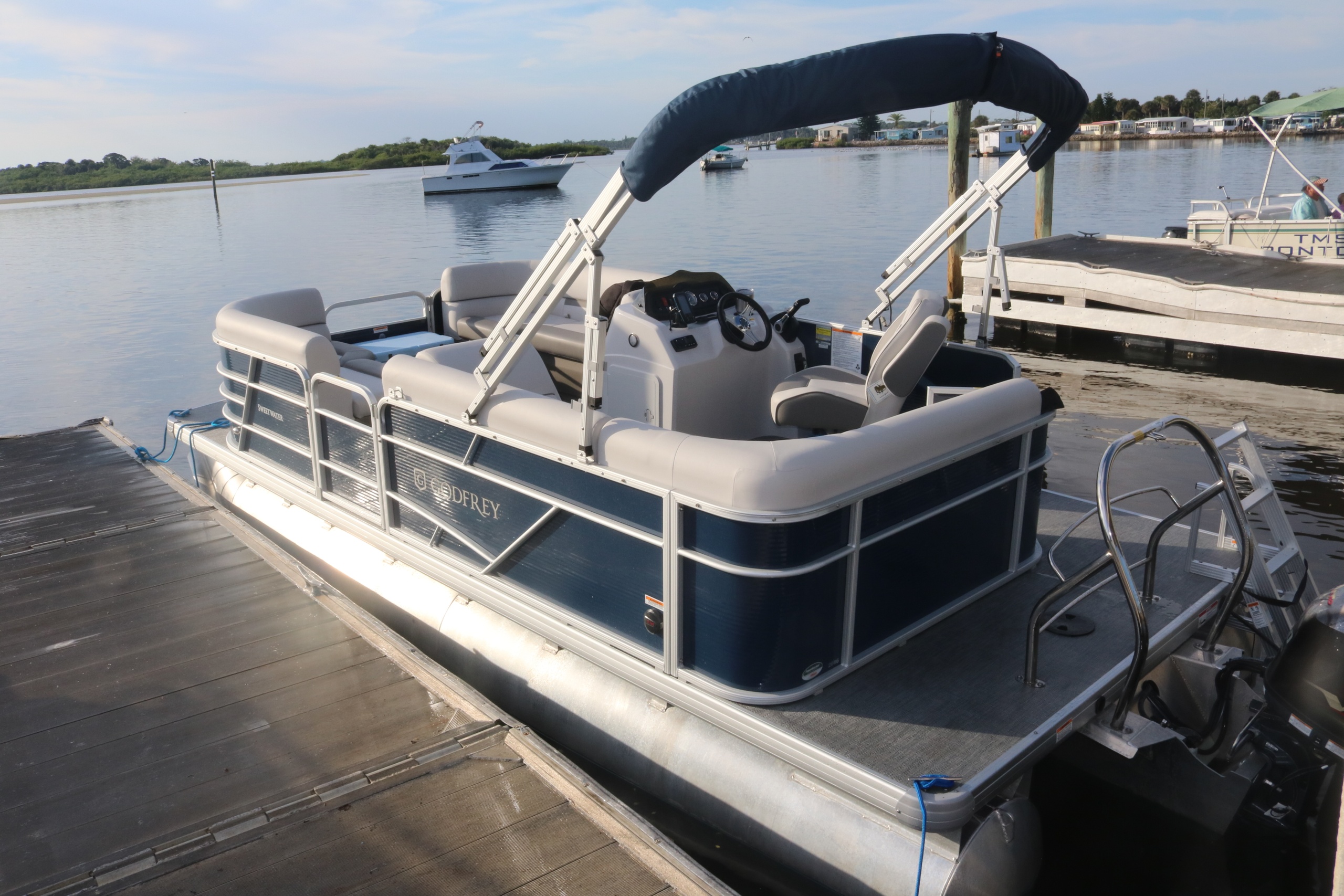
Daytona Beach boat tour
Year-round destination

Seasonal highlights change the reason to go

Winter favors humpback encounters; warmer, calmer months favor snorkeling visibility and smoother water.

Humpback season

Late spring through summer—coincides with tarpon migrations, peak charter demand, and warmer water species.

Prime whale watching, winter holidays, higher demand, and earlier sell-outs.

Snorkeling window

April–May–June–July–August–September–October

Typically gentler seas and clearer water for snorkeling trips.

Weather notes

Trade winds year-round

Spring and early summer offer warm water and active inshore and nearshore fisheries. Late spring through early fall is prime for tarpon and offshore migratory species. Summer brings afternoon thunderstorms and the Atlantic hurricane season runs June–November—plan with flexibility. Winters are milder than northern climates and can still produce quality inshore and nearshore fishing on calmer days.

Quieter opportunities

Late spring & summer weekdays

Winter months can provide calmer seas for tricky inshore sight-fishing and may be quieter on charters; certain bottomfish and cobia opportunities can show up in cooler months.

Match the trip to your comfort

Choose Your Experience Level

Low effort

Beginner

Shore and pier fishing—simple setups, easy access, and forgiving conditions for newcomers.

  • Sunrise surf cast for pompano and whiting
  • Evening pier session for snapper and sheepshead
  • Casual back-bay fishing from a public dock
Active day trip

Intermediate

Inshore boat or kayak fishing on flats, bay mouths, and tidal creeks that requires tide planning and light tackle skills.

  • Kayak sight-fishing for redfish and trout
  • Guided inshore charter for snook and tarpon approaches
  • Drift-baiting along grass edges
Longer or technical

Advanced

Nearshore and offshore tactics—live-baiting, deepwater bottom fishing, and bluewater trolling that require experience, stamina, and offshore safety knowledge.

  • Gulf Stream day for sailfish and mahi
  • Deep-water grouper and snapper trips
  • Night reef trolling for kings and wahoo

Prepare for sun, spray, and swell

What to Bring

Essential

Core kit

  • Valid Florida saltwater fishing license or confirmation of exemption (check FWC rules)
  • Appropriate rod and reel for target species (light rig for flats, medium-heavy for nearshore, heavy for offshore)
  • Sunscreen, hat, sunglasses (polarized for sight fishing)
  • Plenty of water and high-energy snacks
  • Tide chart or app and a basic map of launch/piers
Recommended

Useful extras

  • Pliers, line cutters, and dehooking tool for quick fish handling
  • Light rain shell for sudden summer squalls
  • Small first-aid kit and motion-sickness remedies for offshore trips
  • Packable cooler for catches and bait
  • Phone in waterproof case and portable power bank
Optional

Trip-specific

  • Wading boots or neoprene socks for flats work
  • Fly gear for sight-fishing on shallow flats
  • Drone for scouting structure or photographing the day
  • Underwater camera for documenting releases
Verify launch statuses, tide windows, and marine advisories before heading out.

Insider Tips & Local Knowledge

Reserve whale-watching and popular sunset cruises well ahead during December–April.
Choose morning snorkeling departures for calmer seas and better underwater visibility.
For motion sensitivity, choose a larger vessel, sit mid-ship, and take preventative medication before boarding.
Do not touch coral or wildlife, avoid standing on reefs, and use reef-safe sunscreen.
Community-based operators may add context about traditional navigation and stewardship.
Arrive early for parking and check-in because Waikiki departure areas can be busy.

Planning questions

Frequently Asked Questions

License requirements change—check Florida Fish and Wildlife (FWC) before you go. Residents and non-residents may have different rules and exemptions for shore-based versus boat-based fishing.
Top Fishing Adventures in Daytona Beach, Florida
Ready for your fishing adventure?

Browse 11 verified trips in Daytona Beach.

Compare current availability and book with instant confirmation.

Explore Daytona Beach fishing