Top Kayak Adventures in Daytona Beach, Florida
Daytona Beach Kayak Guide

Top Kayak Adventures in Daytona Beach, Florida

Where the Atlantic meets a braided network of estuaries, Daytona Beach is less about white-knuckled ocean surf and more about the gentle, wide-open choreography of paddling. Kayaking here ranges from easy inshore cruises through mangrove mouths and calm river bends to pointed, skillful runs along the inlet and the open ocean for experienced paddlers. Expect close wildlife encounters, long sandy launches, and an accessible coastal paddling scene suited to families, birders, and people chasing a different kind of beach day.

Halifax RiverPonce InletTomoka RiverMosquito Lagoon

Live destination inventory

Top Kayak Trips in Daytona Beach

47 trips · Book with confidence · Instant confirmation

The prototype intentionally does not invent replacement trip cards or add images that are not already part of the live source page.

The city from the water

Why Daytona Beach Is a Great Place to Kayak

Daytona Beach is often imagined as a stretch of hard-packed sand and roaring engines, but its quieter, watery half is where paddlers learn to slow down and listen. The city sits on a mosaic of water: a protective lagoon and river system—defined by the Halifax, Tomoka, and Spruce Creeks—opens into the Atlantic through Ponce Inlet. That juxtaposition creates a paddling palette that changes with the tide, wind, and the hour. In the morning, glassy estuaries mirror mangroves and live oaks; afternoons bring sea breezes that sculpt swell and light a different, blue energy across the ocean. Those shifts offer both invitation and challenge, letting novices practice sheltered strokes near shore while inviting more experienced kayakers to push toward reef-lined channels and the inlet's current-sculpted passages. The region's biological richness is a kayaker's reward. Manatees frequent the calmer creeks in cooler months, and dolphins thread the ocean openings year-round. Wading birds—egrets, herons, and roseate spoonbills—work the shallows, while osprey and terns patrol above. Mosquito Lagoon and the Indian River Lagoon system rank among North America's most biodiverse estuaries; paddling here feels like traveling through a living field guide. Because much of the shoreline is low and marshy, the best viewpoints are from a low-slung kayak: you can coast close to oyster bars and seagrass beds while keeping disturbance to a minimum. Daytona's paddling culture is pragmatic and accommodating. Rental shops and guided outfits concentrate near main launch points—public beaches, river parks, and the marina at Ponce Inlet—so access is straightforward. Social boaters share lanes with anglers, stand-up paddlers, and small craft, and local operators excel at tailoring trips—sunrise manatee watching, evening bay paddles, and advanced inlet surfing runs. Weather matters here in a very Florida way: summers are hot with frequent afternoon thunderstorms and a steady sea breeze, while fall through spring brings milder air and calmer seas that are ideal for longer excursions. Beyond technique and thrills, kayaking in Daytona rewards slow observation. Bring patience and a pair of binoculars: a quiet hour near a mangrove mouth might yield an otter, an anhinga unfolding its wings, or the slow, curious nose of a manatee rising for air. For travelers, that mix of accessible infrastructure, diverse water types, and rich wildlife makes Daytona a place where a single day on the water can feel like a small, complete expedition.

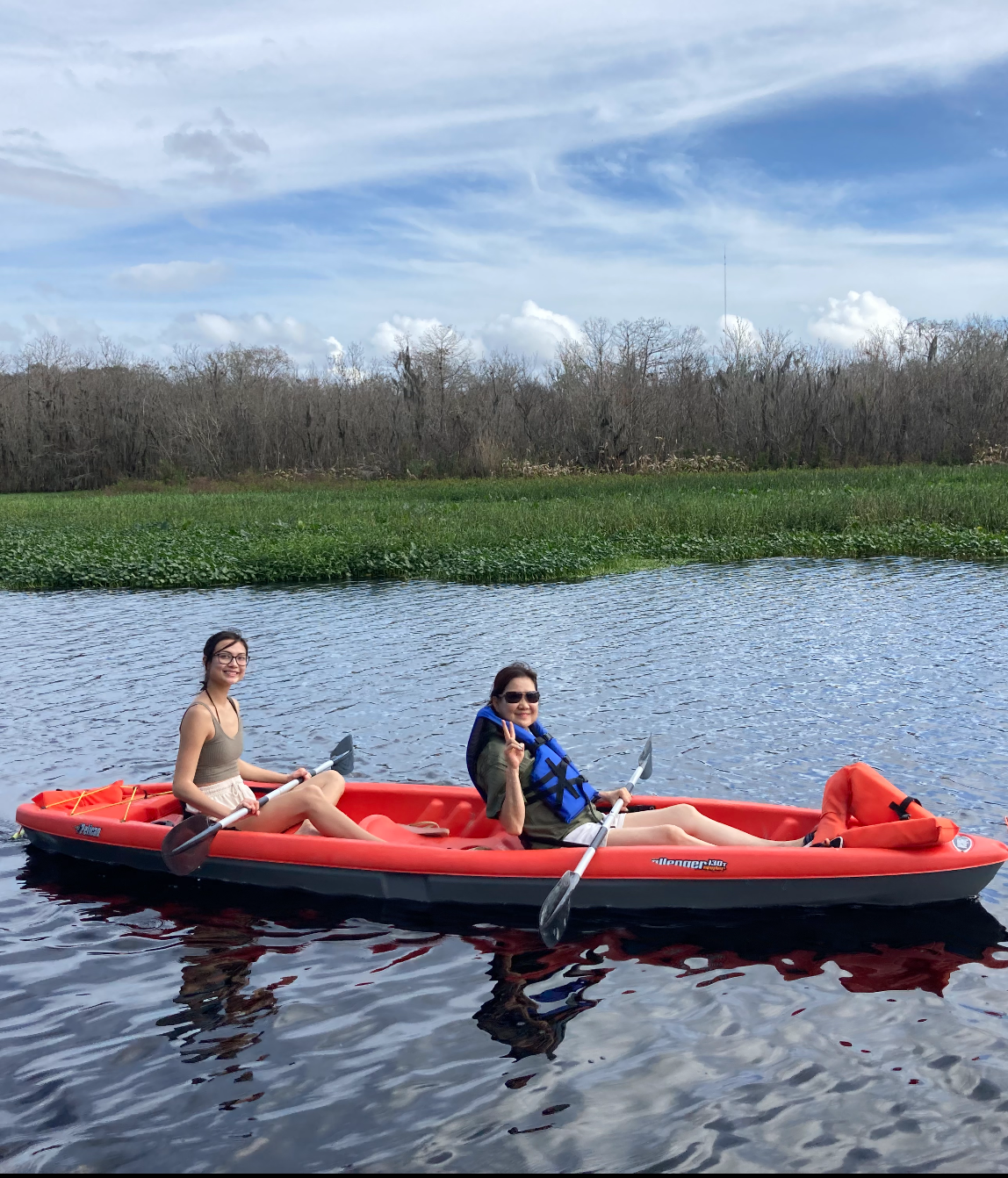
Daytona offers a range of paddling: sheltered estuary loops, riverine wildlife tours, inlet runs with current, and offshore day trips for experienced kayakers.

Launches and rentals are clustered around Ponce Inlet, the Halifax River area, and community parks—making shore access and guided tours convenient.

The harbor is the gateway, and the Pacific becomes the classroom.

Wildlife viewing is a primary draw: dolphins, manatees, shorebirds, and healthy seagrass ecosystems create memorable encounters.

Seasonal weather and tidal flows shape trip difficulty—mornings are typically calmer, while afternoons bring onshore breezes and chop.
Activity focus

Choose by purpose

Whale watching, snorkeling, sunset sailing, cultural canoeing, harbor sightseeing, or private chartering.

Departure hubs

Start near the city

Waikiki and Honolulu Harbor are primary hubs, with some trips launching near Hanauma Bay.

Accessibility

Confirm the vessel

Gangways, shaded seating, and boarding requirements vary according to vessel size and operator.

Seasonal planning

Best Time to Visit

Daytona Beach is warm year-round, but wind, swell, migration, visibility, and demand change the best match between traveler and trip.

Daytona Beach boat tour
Year-round destination

Seasonal highlights change the reason to go

Winter favors humpback encounters; warmer, calmer months favor snorkeling visibility and smoother water.

Humpback season

Winter holidays and spring break draw more beach and rental traffic; weekend mornings are busiest at popular launch sites.

Prime whale watching, winter holidays, higher demand, and earlier sell-outs.

Snorkeling window

October–November–December–January–February–March–April–May

Typically gentler seas and clearer water for snorkeling trips.

Weather notes

Trade winds year-round

Fall through spring typically brings comfortable air temperatures, lower humidity, and calmer seas. Summer months are hot with frequent afternoon thunderstorms and stronger sea breezes—plan morning paddles. Watch forecasts for tropical activity during hurricane season (June–November).

Quieter opportunities

Late spring & summer weekdays

Summer weekdays offer quiet launches and warm water for swimming from your kayak but expect stronger afternoon winds and regular storms.

Match the trip to your comfort

Choose Your Experience Level

Low effort

Beginner

Calm estuary loops on the Halifax River and protected creeks offer sheltered water, shallow launches, and gentle paddling ideal for first-timers and families.

  • Halifax River wildlife loop
  • Sheltered Tomoka River beginner tour
  • Guided mangrove and birding paddle
Active day trip

Intermediate

Longer crossings between river mouths, tidal-awareness tours around Ponce Inlet, and paddles that require route-finding and management of moderate currents and boat traffic.

  • Ponce Inlet channel and lighthouse circumnavigation
  • Spruce Creek estuary exploration
  • Half-day inlet-and-lagoon circuit
Longer or technical

Advanced

Open-ocean paddles along the coast or offshore reef runs, where working with swell, wind, and stronger currents requires sea-kayaking skills, experience with recovery techniques, and reliable navigation.

  • Ocean cross to nearshore reefs (seasonal/skill-dependent)
  • Inlet current runs with timed tidal windows
  • Multi-mile coastal navigation paddles

Prepare for sun, spray, and swell

What to Bring

Essential

Core kit

  • USCG-approved personal flotation device (PFD)
  • Waterproof sunscreen and sun-protective clothing
  • Water bottle and snacks
  • Dry bag for phone, keys, and emergency kit
  • Whistle, bilge pump or sponge (for sit-in kayaks), and a basic paddle leash
Recommended

Useful extras

  • Light wind shell for breezy inlet runs
  • Hat and polarized sunglasses for glare and spotting fish
  • First-aid kit and small repair kit (duct tape, spare paddle leash)
  • Map or app with tidal/current info and a charged phone in a dry case
Optional

Trip-specific

  • Binoculars for bird and wildlife viewing
  • GoPro or action camera with mount
  • Neoprene booties for rocky launches or reef stops
  • Compact anchor or stake for photography or fishing
Check tides and wind forecasts, launch from designated public ramps, and respect wildlife and private shorelines.

Insider Tips & Local Knowledge

Reserve whale-watching and popular sunset cruises well ahead during December–April.
Choose morning snorkeling departures for calmer seas and better underwater visibility.
For motion sensitivity, choose a larger vessel, sit mid-ship, and take preventative medication before boarding.
Do not touch coral or wildlife, avoid standing on reefs, and use reef-safe sunscreen.
Community-based operators may add context about traditional navigation and stewardship.
Arrive early for parking and check-in because Waikiki departure areas can be busy.

Planning questions

Frequently Asked Questions

Most public launches and waterways do not require permits. Certain protected areas or guided programs may have fees—check with local parks and launch owners for specific restrictions.
Top Kayak Adventures in Daytona Beach, Florida
Ready for your kayak adventure?

Browse 47 verified trips in Daytona Beach.

Compare current availability and book with instant confirmation.

Explore Daytona Beach kayak