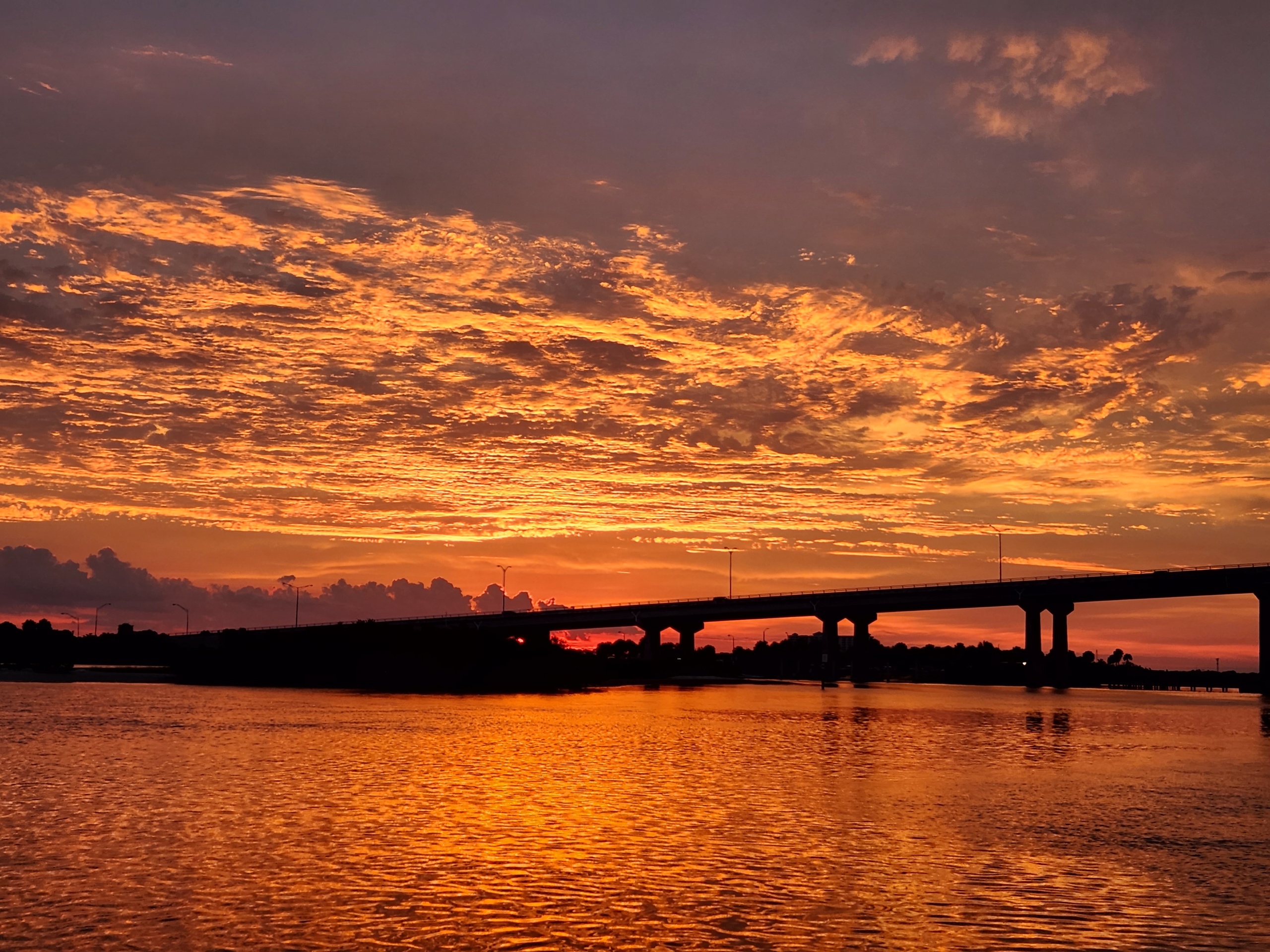
Why Daytona Beach Shores Is a Standout Boat-Tour Destination
Daytona Beach Shores occupies a rare coastal edge where calm intracoastal waterways and the open Atlantic sit within arm’s reach of one another, which makes it a versatile base for boat tours. A single outing can move from the sheltered channel of the Halifax River—where mangrove-lined banks and seagrass flats host foraging wading birds—to the wide blue of the ocean, where pelagic birds wheel and dolphins carve playful lines beside the bow. That geographic compression keeps travel times minimal and allows operators to tailor half-day or evening excursions that still feel exploratory.
The area’s maritime story surfaces in small details: the Ponce Inlet lighthouse, the tallest in Florida, stands as a sentinel for both commercial captains and recreational skippers and gives many tours a historical anchor point. Meanwhile, the tidal creeks and estuaries carry the quiet work of an ecosystem—manatees moving slowly through narrow channels, sea turtles surfacing nearshore, and schools of mullet that attract birds and anglers alike. These natural encounters are central to the appeal: boat tours in Daytona Beach Shores are as much about timing and tide as they are about scenery.
Practical accessibility amplifies the charm. Launch points and docks sit close to beachfront lodging, and a variety of operators offer purpose-built boats—low-wake vessels for wildlife viewing, roomy catamarans for sunset cruises, and center-console rigs for angling. That equipment diversity opens the water to families, photographers, anglers, and curious travelers who want to trade pavement for wind and salt. Because tours are short and focused, they’re also forgiving: you can knock out a dolphin-watch at dawn and still have the afternoon on the sand.
Environmentally minded travelers will find the region instructive. Guides commonly discuss seagrass beds, which are critical nursery habitat, and explain local conservation efforts—how boat wake, anchoring, and runoff affect fragile coastal systems. Responsible tour operators emphasize slow passes in sensitive habitats, safe viewing distances from manatees and nesting shorebirds, and options to learn about coastal resilience in the face of changing sea levels and storm patterns. For those who want a deeper day, boat tours often dovetail with paddleboarding, shore-based birding, or a lighthouse visit at Ponce Inlet.
Seasonality shapes the experience, but not in extremes. Winter months yield cooler, clearer days ideal for birding and calm water cruises. Spring brings migratory songbirds and increased marine life activity, while summer hosts the warmest ocean water and frequent afternoon thunderstorms—conditions that favor morning departures. Hurricane season from June through November is a factor for planning and can alter itineraries, but most local operators adapt schedules and offer refunds or rescheduling for weather closures. Ultimately, Daytona Beach Shores’ compact waterways, reliable operators, and proximity to larger conservation areas create a concentrated, accessible boat-tour scene that rewards both first-timers and seasoned cruisers.
Types of tours: dolphin and wildlife cruises, eco-interpretive tours, sunset sails, private charters, offshore fishing trips, and glass-bottom or snorkeling excursions where conditions permit.
Short travel times: many tours depart within a few minutes’ drive from beachfront hotels, reducing transit and maximizing time on the water.
Historical touchpoints: Ponce Inlet Lighthouse and local maritime history provide context for many guided trips.
Conservation-minded operations: look for operators that brief passengers on wildlife etiquette and minimize wake in sensitive seagrass and manatee zones.