Kayaking in Daytona Beach Shores, Florida
Daytona Beach Shores Kayak Guide

Kayaking in Daytona Beach Shores, Florida

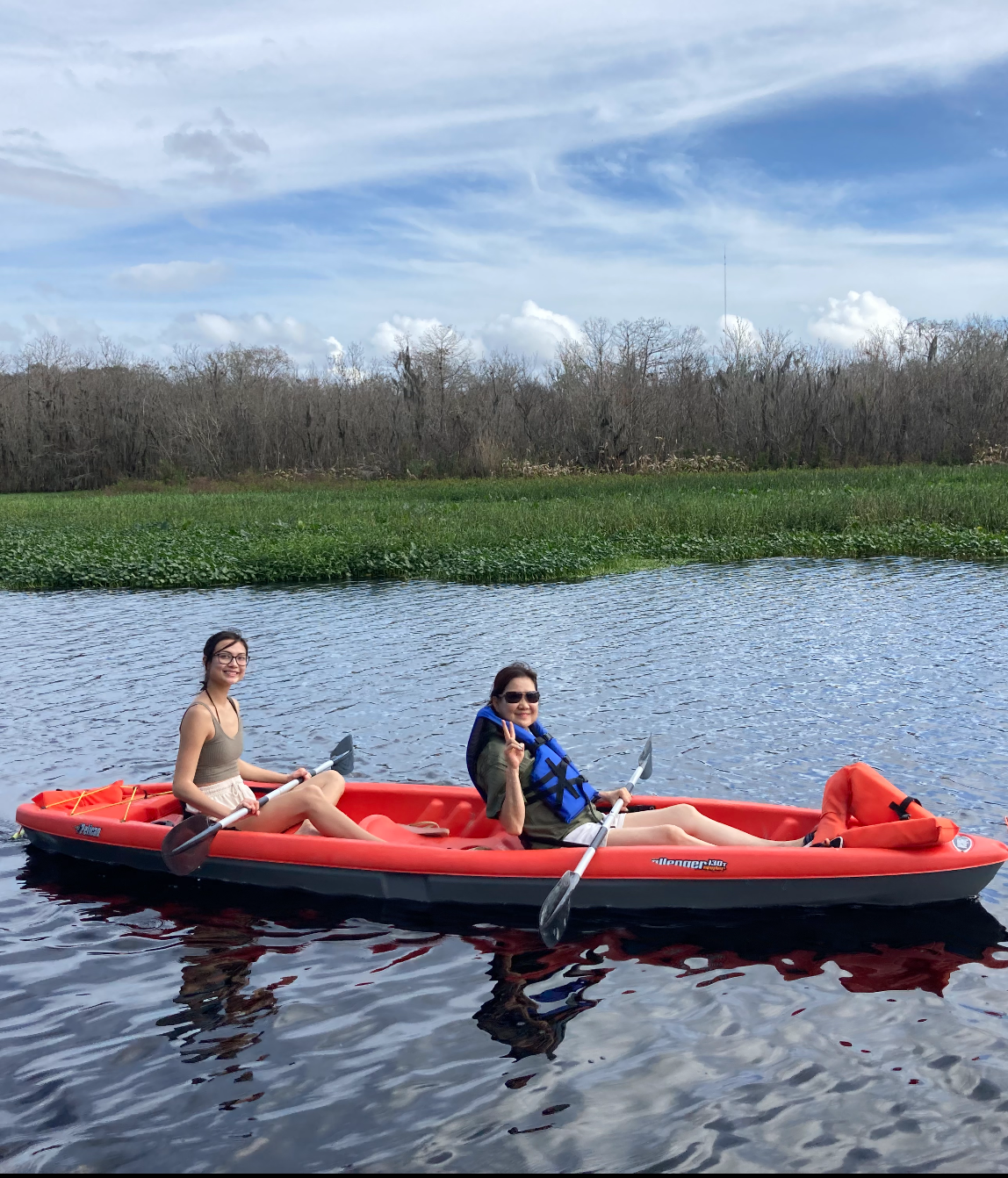
Daytona Beach Shores is a narrow coastal ribbon that turns kayaking into a study of contrasts: the open Atlantic’s surf and wind-sculpted waves to the east, and the glassy, bird-rich quiet of the Intracoastal and lagoon systems to the west. Paddle here and you move between salt-swept beaches, tidal creeks threaded with mangroves, and long estuarine waterways where dolphins surface like punctuation marks. The region’s approachable geography—many small launch points, soft sand beach exits, and sheltered sloughs—makes it ideal for beginners while the nearby inlet and offshore conditions offer real challenges for experienced sea kayakers.

Intracoastal WaterwayIndian River LagoonPonce InletAtlantic BeachfrontCoastal Saltmarshes

Live destination inventory

Top Kayak Trips in Daytona Beach Shores

57 trips · Book with confidence · Instant confirmation

The prototype intentionally does not invent replacement trip cards or add images that are not already part of the live source page.

The city from the water

Why Kayaking in Daytona Beach Shores Is Distinctive

Kayaking in Daytona Beach Shores is a lesson in coastal variety and seasonal nuance. In a single day you can trace mangrove-edged backwaters that feel removed from modern life, surf small shore breaks, and run the tidal sweep near Ponce Inlet where currents carve quick, clean channels. The region’s geography—an Atlantic barrier island separated from the mainland by the Indian River Lagoon and a broad Intracoastal Waterway—creates a compact playground of protected estuaries and open water. For paddlers who like wildlife, the lagoon system supports prolific birdlife: herons, egrets, ospreys and migrating shorebirds congregate in salt flats and marshes. Dolphins and manatees commonly appear in shallow channels, turning a quiet paddle into a wildlife encounter. Practicality is baked into the experience. Unlike remote wilderness trips, Daytona Beach Shores offers multiple easy public access points, nearby rental outfitters, and a supportive tourism infrastructure—so day trips, sunset paddles, and family outings are all straightforward to plan. That accessibility also means decisions about tides, wind, and timing make a bigger difference than distance. Early mornings typically gift calm water and close wildlife sightings; afternoons often bring seabreezes and short, energetic sea conditions that test edging and bracing skills. Where the Intracoastal laps against smooth mangrove roots, stability is the priority; where the inlet meets the ocean, reading tidal flow and respecting current becomes essential. Culturally, paddling here connects you to a long coastal tradition: fishermen who know the channels like their backyards, beach-goers launching surfboards, and guides who run eco-tours that emphasize conservation. Kayaking tours often tie paddling into a broader experience—birding, photography, kayak-fishing, or learning about seagrass beds and their role in supporting juvenile fish habitat. Environmentally, the Indian River Lagoon is one of the most biodiverse estuaries in North America, but it’s also sensitive to nutrient loading, algae blooms, and development pressure. Responsible paddling—staying out of fragile seagrass, keeping distance from wildlife, and using reef-safe sunscreen—helps protect the places you come to enjoy. For planning: think in terms of micro-regions. If you want a mellow wildlife day, choose a protected Intracoastal or lagoon loop and time trips around high tide for easier navigation of shallow creeks. If you want surf or inlet dynamics, bring a sea kayak suitable for surf entries and exits and paddle with an experienced partner or guide. Rentals and guided trips cover everything from tandems and recreational kayaks to sit-on-top sea kayaks; guided outings are especially useful for night paddles (bioluminescence season) or inlet runs. Whatever your objective, the best paddling days are won by paying attention to wind forecasts, tide tables, and local launch etiquette—arrive early, park considerately, and treat launch sites as both community resources and fragile shoreline.

The appeal is variety: sheltered estuaries for wildlife viewing and beginners, tidal runs and inlet approaches for technical practice, and easy access to ocean surf and beaches for hybrid days that combine paddling with swimming and snorkeling.

Seasonality influences the character of each outing—migratory birds concentrate in spring and fall, summer brings warm water and afternoon breezes that amplify chop, and winter offers calm, sunny days ideal for long-distance paddles without heat stress.
Activity focus

Choose by purpose

Whale watching, snorkeling, sunset sailing, cultural canoeing, harbor sightseeing, or private chartering.

Departure hubs

Start near the city

Waikiki and Honolulu Harbor are primary hubs, with some trips launching near Hanauma Bay.

Accessibility

Confirm the vessel

Gangways, shaded seating, and boarding requirements vary according to vessel size and operator.

Seasonal planning

Best Time to Visit

Daytona Beach Shores is warm year-round, but wind, swell, migration, visibility, and demand change the best match between traveler and trip.

Daytona Beach Shores boat tour
Year-round destination

Seasonal highlights change the reason to go

Winter favors humpback encounters; warmer, calmer months favor snorkeling visibility and smoother water.

Humpback season

Late winter through spring draws beachgoers and birdwatchers; weekends are busiest at public launch points.

Prime whale watching, winter holidays, higher demand, and earlier sell-outs.

Snorkeling window

March–April–May–October–November

Typically gentler seas and clearer water for snorkeling trips.

Weather notes

Trade winds year-round

Spring and fall provide the most pleasant paddling temperatures and calmer seas; summer is hot with frequent afternoon thunderstorms and sea breezes that can create choppy conditions. Hurricane season runs June–November—monitor forecasts and avoid paddling during tropical systems.

Quieter opportunities

Late spring & summer weekdays

Summer mornings offer solitude and warm water for early paddles before afternoon winds; winter can deliver glassy conditions and clear skies for longer excursions.

Match the trip to your comfort

Choose Your Experience Level

Low effort

Beginner

Calm, protected paddles in the Intracoastal and lagoon systems with short distances, gentle water, and abundant wildlife—ideal for families and first-timers.

  • Intracoastal mangrove tours
  • Short lagoon wildlife loop
  • Guided beginner eco-paddle
Active day trip

Intermediate

Longer point-to-point routes and inlet approaches that require basic navigation, comfortable bracing, and an ability to paddle in light chop and tidal flow.

  • Ponce Inlet estuary run
  • Nearshore coastal paddle
  • Half-day crossing to nearby beach access points
Longer or technical

Advanced

Open-ocean paddles, surf launches and landings, inlet runs with strong tidal currents, and longer coastal traverses that demand advanced boat handling, self-rescue skills, and tide/current planning.

  • Inlet crossing at Ponce with tidal timing
  • Long coastal downwind paddle in sea kayak
  • Surf launching and shore re-entry practice

Prepare for sun, spray, and swell

What to Bring

Essential

Core kit

  • US Coast Guard–approved PFD (personal flotation device)
  • Waterproof dry bag for phone, keys, and layers
  • Sunscreen (reef-safe), hat, and polarized sunglasses
  • Plenty of water and high-energy snacks
  • Basic repair kit (duct tape, spare fin for rentals) and whistle or signaling device
Recommended

Useful extras

  • Spare paddle and paddle leash
  • Light wind shell or splash top for cooler mornings
  • Water shoes or reef shoes for rocky/reef launch zones
  • Map or downloaded charts and a tide table app
  • Small first-aid kit and basic knife
Optional

Trip-specific

  • Camera in waterproof housing or dry phone case
  • Binoculars for birding
  • Lightweight fishing gear if planning to fish (check local rules)
  • Snorkel gear for nearshore exploration
Check weather, tides, and local launch conditions before every trip; respect wildlife and fragile habitats.

Insider Tips & Local Knowledge

Reserve whale-watching and popular sunset cruises well ahead during December–April.
Choose morning snorkeling departures for calmer seas and better underwater visibility.
For motion sensitivity, choose a larger vessel, sit mid-ship, and take preventative medication before boarding.
Do not touch coral or wildlife, avoid standing on reefs, and use reef-safe sunscreen.
Community-based operators may add context about traditional navigation and stewardship.
Arrive early for parking and check-in because Waikiki departure areas can be busy.

Planning questions

Frequently Asked Questions

Most day kayaking on public waters does not require permits. Special protected areas or reserve access may have restrictions—check local wildlife refuge rules before entering sensitive marshes or nesting areas.
Kayaking in Daytona Beach Shores, Florida
Ready for your kayak adventure?

Browse 57 verified trips in Daytona Beach Shores.

Compare current availability and book with instant confirmation.

Explore Daytona Beach Shores kayak