Why Deltona Is a Quiet Powerhouse for Boat Tours
At first glance Deltona doesn’t wear its waterways like a postcard. There are no high-rise promenades, no broad ocean swell to thunder against dunes—what you find instead are slow currents, broad inland basins, and an intimacy that encourages close listening. The boat-tour scene here privileges observation over spectacle: guides point out anhingas drying their wings on exposed limbs, soft wakes that push through lily pads, and the small human histories stitched along the bank—old boat ramps, family docks, and neighborhoods that grew around easy access to water. The St. Johns River corridor and connected lakes act like a long green vein through Volusia County; the water moves at a restrained speed, making every mile of travel an invitation to notice.
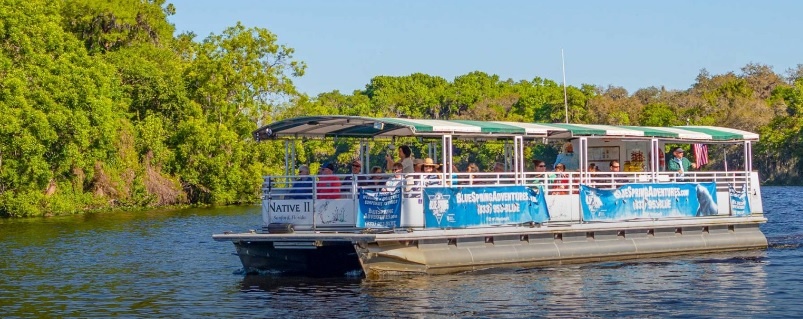
That deliberate pace shapes the kinds of tours you’ll find. Expect pontoon cruises that lean into storytelling—local ecology, settler history, and seasonal migrations get equal billing with the sunset. Eco-cruises are intimate by necessity: guides in small skiffs or covered punts skirt shorelines to lower the noise footprint and reveal secret coves where wading birds feed. Fishing trips here are practical and focused, aimed at anglers who prize fight and technique over big-boat glamour. Even the commercial offerings tend to center on smaller groups and personalized experiences, which suits Deltona’s landscape: shallow flats, submerged vegetation, and oxbow channels that can hide a trophy peacock bass—or a placid turtle's head poking through the surface.
For travelers, Deltona’s boat tours offer an accessible entry into Florida’s freshwater ecosystems. The learning curve is small: you don’t need experience to enjoy a narrated sunset cruise, and many operators tailor departures for families, photographers, and anglers. Seasonality matters less for access than for experience—migratory birds and cooler, clearer water in the fall through spring warp the landscape into something else entirely. In summer the air is thick and the afternoons bring pop-up storms; tours shift earlier or later, emphasizing dawn and dusk. The payoff of planning around weather and light is significant: still mornings produce glassy reflections and close looks at marsh edge life, while golden-hour cruises turn tree lines into low, saturated bands of color.
Beyond the immediate pleasures of birding and angling, boat tours are a practical connector to other activities. Landing at a riverside park sets you up for paddling or a short hike; a sunset cruise can double as a photography lesson with a local naturalist; and a half-day charter often combines instruction with equipment rental so you can step off the boat and keep fishing on your own. In short, Deltona’s boat-tour identity is one of quiet access—an invitation to know the water in measured, observant beats rather than loud spectacle.
Deltona’s water-based tours emphasize intimacy: smaller vessels, fewer passengers, and a chance to see wildlife at close range. Guides often blend natural history with local anecdotes, which makes tours feel both educational and homely.
Plan tours around light and weather—mornings and evenings are cooler and more productive for wildlife viewing, while fall-through-spring brings clearer skies and migratory species that intensify the experience.