Why Dolphin Encounters Near Deltona Matter
There’s a particular kind of hush that settles over the Intracoastal at dawn—the air cooler than the day will be, the water glassy except where a fish breaks the surface. Then a fin halves the mirror and a sleek gray back follows, arcing and slipping with an economy of motion that feels ancient and effortless. In this thin band between seawater and land, the bottlenose dolphin is both showman and sentinel: playful, curious, and intimately tied to the health of the estuary.
Deltona itself is a town of lakes and canals, but it’s the short drive east—toward the Halifax River, Tomoka River, and the interconnected waterways of the Indian River Lagoon—that delivers the most reliable dolphin viewing. These are not open-ocean, deep-water displays but estuarine, nearshore behaviors shaped by tides, schools of mullet and menhaden, and the patchwork of seagrass and mangrove that shelters juvenile fish. The result is a kind of wildlife theatre that feels accessible: pods of a few animals arm-wrestle through channels, mothers escort calves along protected shorelines, and sometimes a single adolescent will ride the bow wake of a shrimp boat.
Seeing dolphins here is as much about place as spectacle. The waterways around Deltona have been lifeways for centuries—supporting indigenous communities, early settlers, and modern fisheries. Today, those same channels are sites of recreation and conservation. Interacting with dolphins in these waters requires a blend of humility and curiosity; the best encounters are quiet, patient, and respectful. Local guides and outfitters have built businesses on that ethic, offering short eco-tours that double as natural-history lessons: how to read tidal cycles, where mullet schools push close to shore, why seagrass matters, and what to do if you spot a distressed animal.
From a planning perspective, dolphin outings pair well with other soft-water activities. Bring a kayak or join a guided paddle to slip into narrow creeks where motorboats don’t go. Early mornings and late afternoons are often the richest windows for sightings, though calm midday conditions can produce dramatic open-water displays near Ponce Inlet. For photographers, the east coast’s light can be forgiving—warm, angled sunlight emphasizes texture and spray—but you’ll trade a little contrast for humidity and the ever-present possibility of cumulus thunderstorms in the warmer months.
Beyond the immediate thrill, Deltona’s dolphin experiences are a lens into larger environmental stories. The Indian River Lagoon and connected estuaries face water-quality challenges and habitat shifts that change where and how dolphins feed. Participating in an eco-tour or joining a citizen-science effort—counting sightings, recording behaviors, or supporting local conservation groups—turns an individual outing into a contribution to a living coastline.
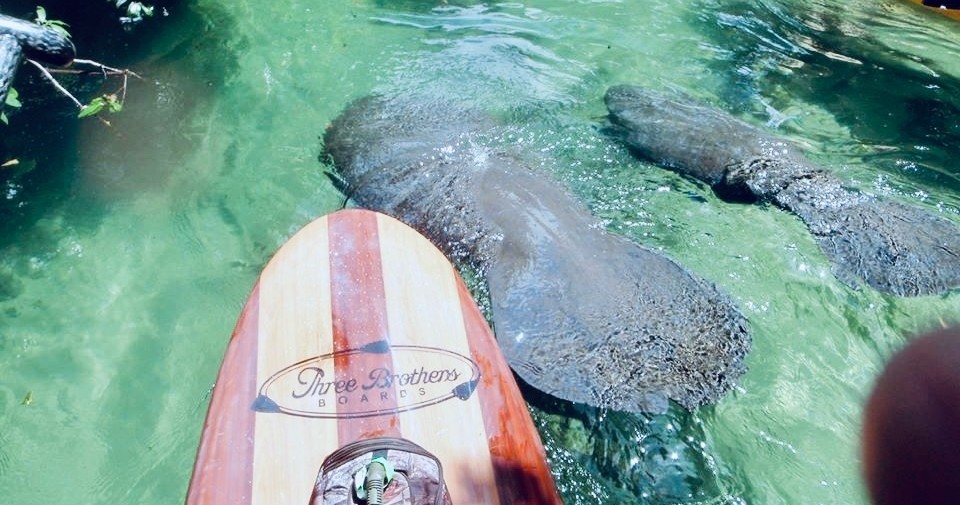
Accessible viewing: Options range from shore-based watch points and short public-boat trips to kayak and paddleboard tours that put you inches from a foraging pod in quiet creeks.
Seasonal rhythms: While dolphins are present year-round, tidal flow, prey availability, and breeding cycles influence how they move through estuaries, making time of day and tide important planning considerations.
Complementary experiences: Pair dolphin watching with birding (wading birds concentrate in the same shallow flats), shelling along barrier islands, and guided seagrass or mangrove tours that unpack the local ecology.