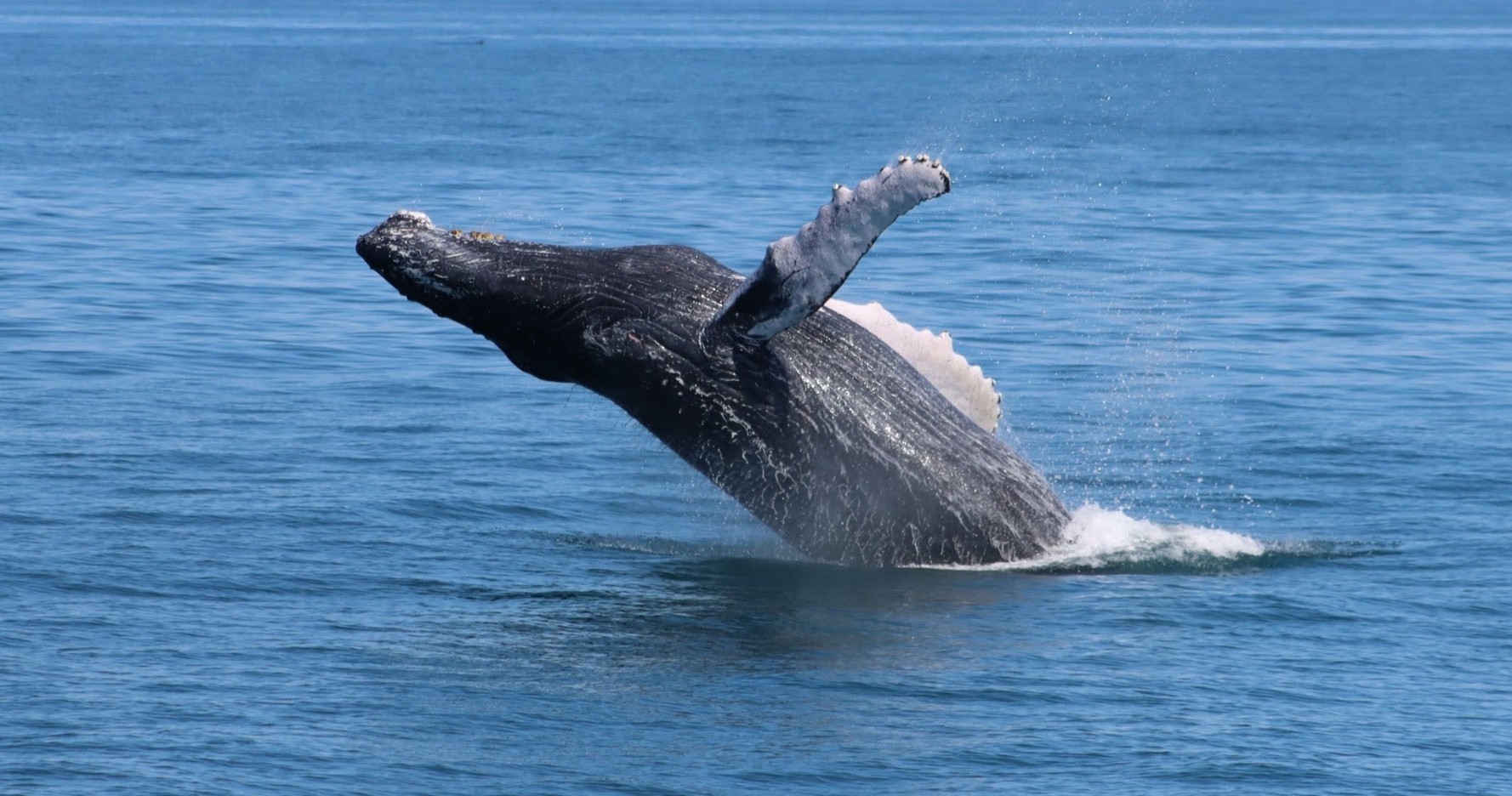
Why Dewey Beach Is a Notable Spot for Dolphins
Dewey Beach sits at the junction of open Atlantic swells and the calmer, nutrient-rich waters of Rehoboth and Delaware bays. That edge—where saltwater and estuarine currents mix—creates productive feeding grounds for fish and crustaceans, and where you’ll most often find dolphins: moving in small groups to follow schools of forage fish, investigating river mouths, or riding the wakes near shore. The experience here is subtle rather than spectacle; sightings are usually close enough to read expression in a dolphin’s eye but fleeting enough to demand patience and attention. Walk the shoreline at first light and you may see surface arcs and distant dorsal fins cutting the horizon. Launch a kayak into quiet channels and you can quietly slip into the dolphins’ periphery without interrupting their flow.
Historically, the Delaware coastal margin has supported commercial and recreational industries—fishing, crabbing, and boating—that bring people into the same waters dolphins rely on. In recent decades, growing awareness around marine mammal behavior and protection has shaped how tours operate and how local boaters behave, encouraging distance, slow speeds, and non-intrusive observation. This balance is central to the experience: Dewey’s dolphin encounters often feel collaborative—humans watch, dolphins go about their business, and both share a coastal moment. The region’s low cliffs, wide beaches, and network of salt-marsh creeks also make for complementary activities that enhance a dolphin-focused trip. Birders will find tern and skimmer colonies; anglers will note where baitfish congregate; photographers will map light and tide to choreograph the best approach for silhouette shots against sunrise.
Seasonality matters: late spring through early fall concentrates both dolphin activity and visitor numbers. Warm water months produce higher baitfish abundance and more surface activity; early mornings and outgoing tides are commonly the most productive windows. But the coastline’s temperament—wind, swell, and weather—also governs how accessible productive nearshore zones are. Practical planning, local operator knowledge, and a readiness to shift plans on a moment’s notice will turn an ordinary outing into a lasting wildlife encounter. Above all, an ethic of respect—keeping distance, never feeding or chasing, and choosing operators that prioritize animal welfare—preserves the quiet, wild quality that makes Dewey’s dolphin experiences meaningful for future visitors.
Ecology and behavior: Dolphins in the Dewey area exploit a mosaic of habitats—open ocean, bay waters, and estuarine mouths—so sightings often cluster around tidal inlets and bait-rich channels.
Access and approaches: Expect a range of experiences from shore-watching at low tide to guided kayak trips through marsh creeks and small-boat excursions that push a mile or two offshore.
Community and conservation: Local outfitters increasingly follow voluntary guidelines to minimize disturbance; visitors are encouraged to choose operators aligned with best-practice wildlife viewing.