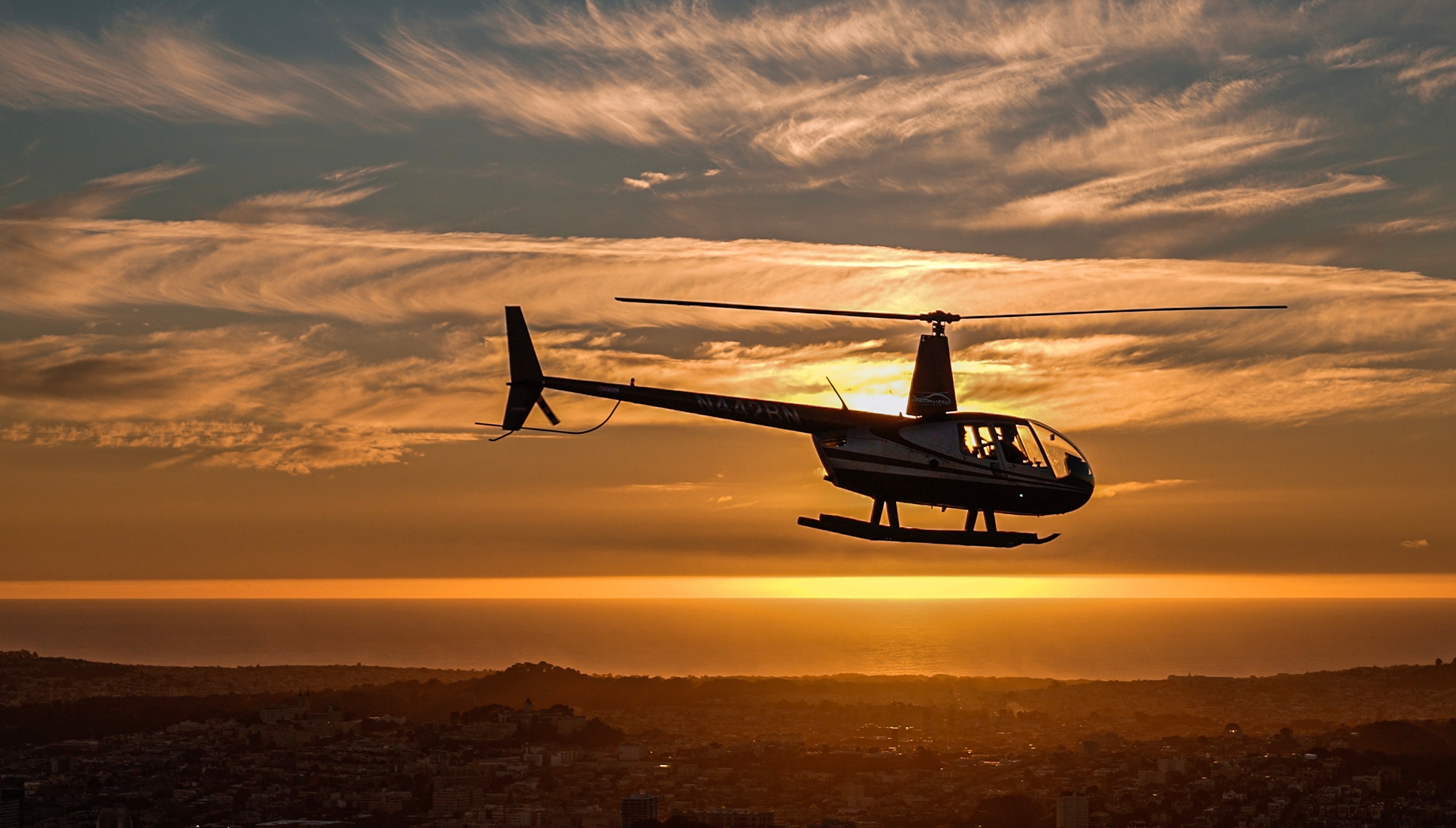
Why Dillon Beach Is Unique for Airplane Experiences
Dillon Beach is a small stretch of coast with an outsized aerial personality. From the air, the region rearranges itself into a collage of long sand spits, shallow bay geometry, tidal channels, and the serrated coastline that runs north toward Point Reyes. Flying here is less about altitude and more about intimacy: short flights reveal relationships between land and sea—where the beaches funnel gales, where river mouths braid into bays, and where elk and herons gather in the marshy fringes.
The airplane experiences that center on Dillon Beach breathe life into the area's topography. Scenic short‑hauls and coastal circuits take fifteen to sixty minutes and are designed to emphasize visual connection rather than distance. Pilots use low-altitude corridors that keep passengers close to geological features: the sweeping bowl of Tomales Bay, the exposed cliffs and headlands, and the variable textures of Deltaic tidal plains. For photographers and nature lovers, this topology is rich: migrating gray whales track parallel to the coast in spring, harbor seals and sea lions cluster on offshore kelp and rocky outcrops, and birds concentrate where tidal feeding grounds are most productive. An airplane ride here is a way to read those patterns from a perspective the shoreline alone cannot offer.
Beyond sightlines, Dillon Beach’s proximity to a cluster of small coastal airfields and general aviation services means a diversity of airplane experiences is possible without long ground transfers. Introductory dual flights, discovery flights for prospective pilots, tailored aerial photography sorties, and short charters that combine flying with on-ground activities are all part of the local palette. Each type of outing carries a practical rhythm: preflight briefings that consider fog and marine layer, weight‑and‑balance limitations in smaller aircraft, and the quick weather windows that define coastal flying. These are not long-range aerial tours so much as curated, place-specific flights—brief, sensory, and anchored to the shore.
For the traveler, airplane time can be folded into complementary outings. A morning scenic flight pairs naturally with a beach walk and a lobster roll; an aerial photography sortie can precede a kayak tour that lets you reconnect with features you saw from above. Piloting instruction in the area often emphasizes coastal crosswind work and pattern practice that benefit new pilots who want to add shoreline operations to their skillset. Seasonality is decisive: late spring through early fall typically offers the most stable ceilings and visibility, while winter’s stronger storms and persistent low clouds can cancel or shorten itineraries.
In short: Dillon Beach's airplane experiences compress a coastline into a panoramic story—quick, revealing flights that invite both daytrippers and committed beginners to reframe the shore. They reward planning: timing, basic gear, and an eye for weather. For anyone who has felt the shore’s pull and wondered what it looks like from a few hundred to a couple thousand feet, flying here provides a clear, immediate answer.
Short scenic flights and discovery flights dominate the local offerings. Expect flights that emphasize coastal geometry—bays, spits, headlands—rather than long cross‑country legs.
Complementary activities include beachcombing, whale‑watching from shore, kayaking in Tomales Bay, coastal hikes in Point Reyes, and photography outings that benefit from the aerial perspective.