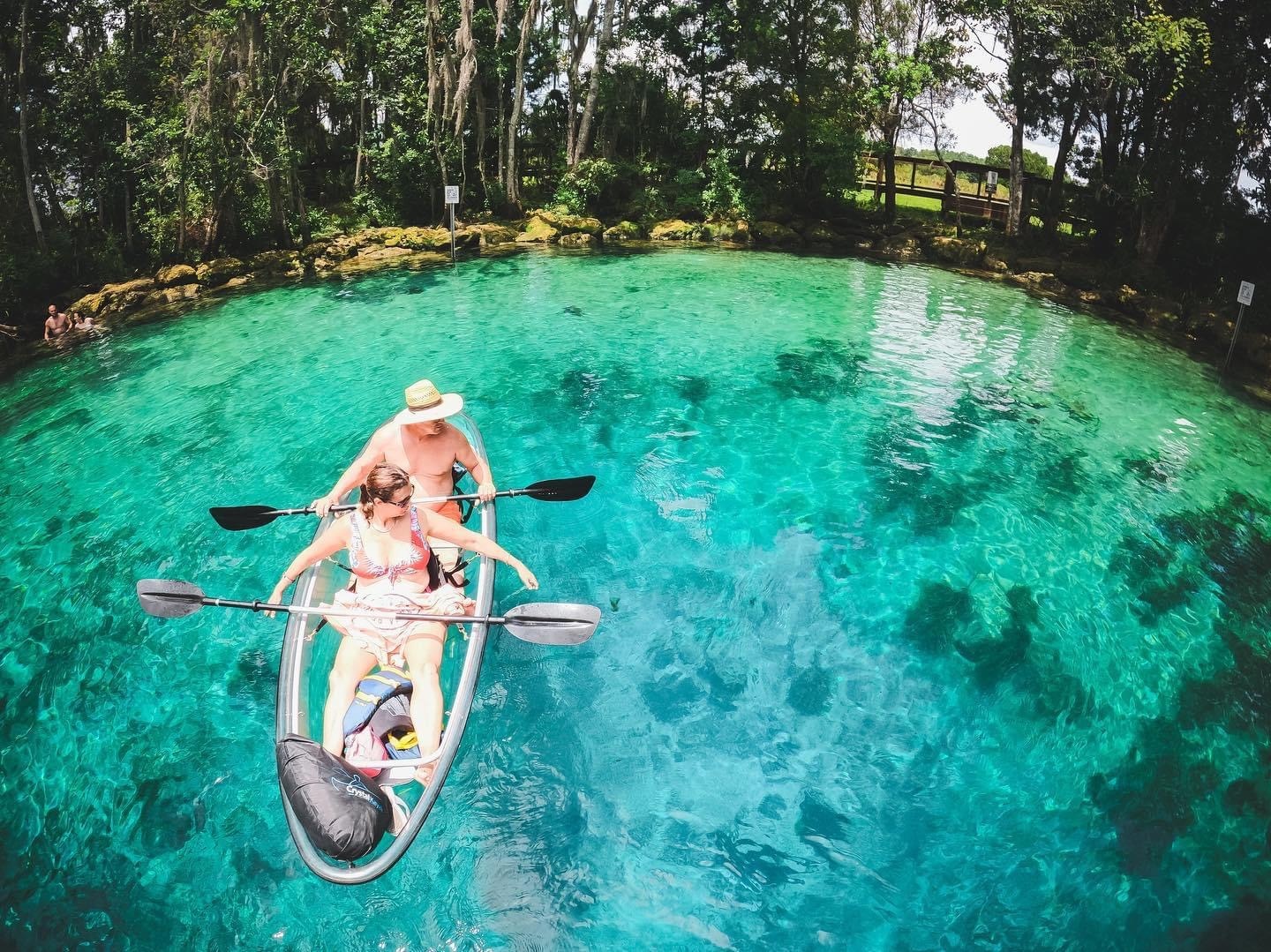
Dunnellon's claim to a meaningful dolphin experience isn't about large commercial shows or crowded piers; it's about subtlety and context. Here, river systems like the Rainbow and Withlacoochee thread toward the Gulf, creating feeding corridors, calm estuaries, and transitional waters where dolphins—typically coastal bottlenose—appear with an unhurried rhythm. That intersection of spring clarity and tidal influence makes the town a strategic base: you can launch from a tranquil river and, within a short run, reach brackish channels and nearshore habitats where dolphins forage, socialize, and sometimes ride the wakes of boats.
The local temperament of dolphin encounters is intimate. Sightings often come as quick arcs of dorsal fins or a juvenile's curious peek, not as park-style presentations. That requires a different kind of planning: slower boats, smaller groups, and a patient eye. Dunnellon's smaller operators and self-guided paddlers tend to approach viewing with restraint—quiet motors, low-speed corridors, and careful distance—so encounters feel like invitations instead of spectacles. For travelers who want to pair wildlife watching with other river activities, Dunnellon delivers: float trips, glass-clear springs for snorkeling, and coastal day trips combine into multi-hour itineraries where dolphins are a highlight, not the whole show.
Environmental context matters: seasonal water temperature shifts, freshwater outflow after heavy rains, and local fishing patterns change dolphin movement. Spring and fall often bring calm seas and higher visibility nearshore, improving the odds of seeing pods. Summer humidity and afternoon storms can make early-morning outings the best choice; winter tends to scatter coastal groups but concentrates others where baitfish aggregate. Above all, Dunnellon’s experiences reward enthusiasts who trade spectacle for nuance—those who want a quiet dawn paddle beside a curving fin or a late-afternoon run along the estuary watching silhouettes against low light.
The geography—spring-fed rivers flowing to the Gulf—creates a mosaic of habitats. Sharks, rays, herons, and turtles often share the same corridors as dolphins, so trips usually double as broader wildlife excursions.
Because most good viewing happens from small boats, kayaks, or low-profile eco-tours, accessibility is high for non-technical travelers, but operators limit group size to reduce disturbance.
The harbor is the gateway, and the Pacific becomes the classroom.
Dunnellon is an excellent launch point for combining dolphin watching with other popular local activities: manatee viewing in winter, snorkeling in clear spring runs, and paddleboarding on calm mornings.
Choose by purpose
Whale watching, snorkeling, sunset sailing, cultural canoeing, harbor sightseeing, or private chartering.
Start near the city
Waikiki and Honolulu Harbor are primary hubs, with some trips launching near Hanauma Bay.
Confirm the vessel
Gangways, shaded seating, and boarding requirements vary according to vessel size and operator.