Scuba in Dunnellon, Florida
Dunnellon Scuba Guide

Scuba in Dunnellon, Florida

Dunnellon is a spring-country scuba destination defined by gin-clear freshwater, gentle currents, and easy surface access. Most dives revolve around the Rainbow River and its feeder springs—shallow, light-filled environments ideal for open-water divers and those curious about freshwater ecology. Expect dense aquatic vegetation, submerged limestone features, and easy drift-style entries that contrast with Florida’s nearshore saltwater wrecks a short drive west.

Rainbow RiverSilver and Rainbow SpringsWithlacoochee River accessNearby Gulf Coast & Crystal River

Live destination inventory

Top Scuba Trips in Dunnellon

12 trips · Book with confidence · Instant confirmation

The prototype intentionally does not invent replacement trip cards or add images that are not already part of the live source page.

The city from the water

Why Dunnellon Is a Standout Scuba Destination

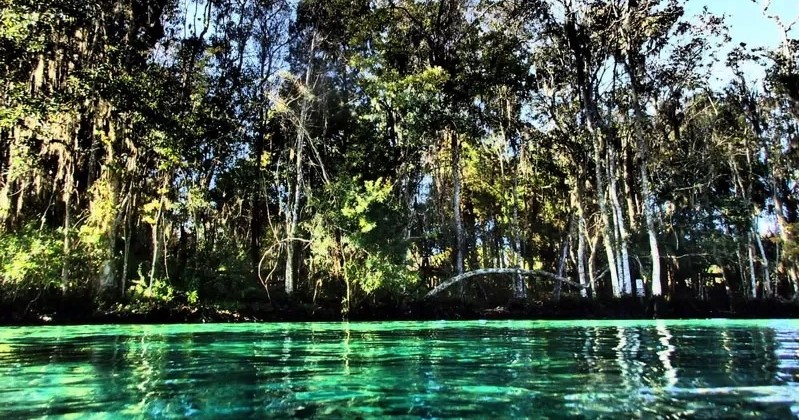
Under the vaulted canopy that shades the Rainbow River, the world beneath the surface reads like a small, perfect ecosystem. Light filters through tannin-stained water and the shallows open into wide seagrass plains and submerged limestone ledges. In Dunnellon, scuba is less about deep profiles and more about clarity, intimacy, and the slow choreography of freshwater life. Springs here are fed from aquifers that keep temperatures steady year-round; the result is dive sites where visibility and calm water combine to create effortless, memorable dives for certified visitors. What makes Dunnellon special is scale and accessibility. Many of the most satisfying dives begin at easy launch points—gentle boat ramps or river launches where you can step or stride into waist-deep water and slip beneath the surface. That translates to a different rhythm than coastal wreck or reef diving: you can move slowly, watch trout and sunfish hover among beds of eelgrass, inspect the scalloped edges of limestone, and track how light paints the bottom in shifting patterns. For photographers and naturalists, the combination of clarity and close-quarter scenery rewards patience. For families and newly certified divers, the benign conditions provide confidence-building experiences without the bustle or boat traffic associated with larger coastal dive hubs. Dunnellon also sits at a crossroads. Within an easy drive are more technical opportunities—saltwater shore dives and historic wrecks along the Gulf Coast, manatee viewing in Crystal River, and cave or cavern systems that invite trained overhead divers. That proximity allows visitors to mix freshwater spring floats with nearby coastal or technical dives, creating a broader Florida scuba itinerary. Above water, the town’s small-boat culture, kayak outfitters, and riverside trails mean a dive day can end with a paddle, a sunset picnic, or a quiet beer beside the river. The community is conservation-minded; many local operators emphasize low-impact practices and steward the springs with restrictions intended to protect water quality and wildlife. Respecting those rules preserves the clarity and life that make Dunnellon dives so distinctive.

Spring-fed visibility and stable temperatures make many Dunnellon dives reliably pleasant across seasons; most dives are shallow and well-suited to guided groups and open-water certified divers.

Because much of the action is freshwater, species lists differ from coastal Florida: expect sunfish, largemouth bass, crayfish, and dense aquatic plant beds rather than tropical reef fish.

The harbor is the gateway, and the Pacific becomes the classroom.

Dunnellon works best as part of a multi-site Florida scuba itinerary—combine spring dives with nearby Gulf wrecks, Crystal River manatee experiences, or technical cavern training to broaden the experience.

Activity focus

Choose by purpose

Whale watching, snorkeling, sunset sailing, cultural canoeing, harbor sightseeing, or private chartering.

Departure hubs

Start near the city

Waikiki and Honolulu Harbor are primary hubs, with some trips launching near Hanauma Bay.

Accessibility

Confirm the vessel

Gangways, shaded seating, and boarding requirements vary according to vessel size and operator.
Seasonal planning

Best Time to Visit

Dunnellon is warm year-round, but wind, swell, migration, visibility, and demand change the best match between traveler and trip.

Dunnellon boat tour
Year-round destination

Seasonal highlights change the reason to go

Winter favors humpback encounters; warmer, calmer months favor snorkeling visibility and smoother water.

Humpback season

Spring holiday weekends and winter manatee months in nearby Crystal River draw more visitors and can mean fuller rivers and limited access.

Prime whale watching, winter holidays, higher demand, and earlier sell-outs.

Snorkeling window

March–April–May–September–October–November

Typically gentler seas and clearer water for snorkeling trips.

Weather notes

Trade winds year-round

Dunnellon’s springs are fed by aquifers, delivering steady water temperatures year-round; above-water conditions vary. Spring and fall offer comfortable air temps and lower afternoon thunderstorm risk. Summer brings higher humidity and afternoon storms; winter is cooler and quieter but may include manatee conservation measures in nearby areas.

Quieter opportunities

Late spring & summer weekdays

Weekdays outside major holidays are the quietest times for dives. Off-season visits can mean clearer logistics and more one-on-one time with guides, but always verify manatee or seasonal access restrictions.

Match the trip to your comfort

Choose Your Experience Level

Low effort

Beginner

Gentle, shallow spring dives and guided floats designed for open-water certified divers and those building comfort in fresh water.

  • Guided Rainbow River introductory dive
  • Shallow spring head exploration with a dive instructor
  • Snorkel-and-dive combo tours for mixed-experience groups
Active day trip

Intermediate

Longer river runs, limited-current drift dives, and guided outings that mix freshwater features with nearby nearshore saltwater sites.

  • Drift-style river dive with multiple entry/exit points
  • Freshwater photography-focused dive
  • Day trip to Gulf shore dives or shallow wrecks
Longer or technical

Advanced

Technical training and overhead environment exploration; cave and cavern dives require specialty certification and local guide experience.

  • Cavern or cave-decompression training with certified instructors
  • Extended multi-site itineraries combining springs and Gulf technical dives
  • Leadership-level guided exploration of deeper spring vents (permit and training dependent)

Prepare for sun, spray, and swell

What to Bring

Essential

Core kit

  • Mask, snorkel, and fins (well-fitting gear matters in vegetated spring runs)
  • Buoyancy control device and dive computer
  • Exposure protection: 3mm–5mm wetsuit depending on personal tolerance
  • Surface marker buoy (SMB) and reef-safe sunscreen
  • Dive certification card and any required permits or park passes
Recommended

Useful extras

  • Small camera or macro lens for freshwater subjects
  • Mesh bag for collecting small, lawful debris (leave natural items alone)
  • Surface signaling device (whistle/SMB reel) for river entries
  • Lightweight booties for launches and rocky ramps
Optional

Trip-specific

  • Gloves for handling gear (check local rules about touching wildlife)
  • Spare mask and fin strap
  • Waterproof logbook or phonecase for on-site notes
Confirm access rules, park hours, and seasonal closures with local authorities or operators before planning dives.

Insider Tips & Local Knowledge

Reserve whale-watching and popular sunset cruises well ahead during December–April.
Choose morning snorkeling departures for calmer seas and better underwater visibility.
For motion sensitivity, choose a larger vessel, sit mid-ship, and take preventative medication before boarding.
Do not touch coral or wildlife, avoid standing on reefs, and use reef-safe sunscreen.
Community-based operators may add context about traditional navigation and stewardship.
Arrive early for parking and check-in because Waikiki departure areas can be busy.

Planning questions

Frequently Asked Questions

Access rules vary by launch site. Some spring parks require day-use fees or reservations, and certain stretches are managed by local authorities. Check with the specific park or a local dive operator before you go.
Scuba in Dunnellon, Florida
Ready for your scuba adventure?

Browse 12 verified trips in Dunnellon.

Compare current availability and book with instant confirmation.

Explore Dunnellon scuba