Top Photography Tours in East Boston, Massachusetts
East Boston Photography Tour Guide

Top Photography Tours in East Boston, Massachusetts

East Boston condenses maritime grit, skyline theater, and working waterfront details into a compact, photogenic neighborhood. Photography tours here pivot between long-exposure seascapes, intimate street portraits in culturally rich neighborhoods, and cinematic airport approach shots against golden-hour sky. This guide distills the best places, timing, and practical gear considerations for photographers who want more than a postcard—seeking atmosphere, light, and the lived-in textures of Boston’s harbor edge.

Boston Harbor waterfrontLogan Airport panoramasConstitution Beach & Piers

Live destination inventory

Top Photography Tour Trips in East Boston

8 trips · Book with confidence · Instant confirmation

The prototype intentionally does not invent replacement trip cards or add images that are not already part of the live source page.

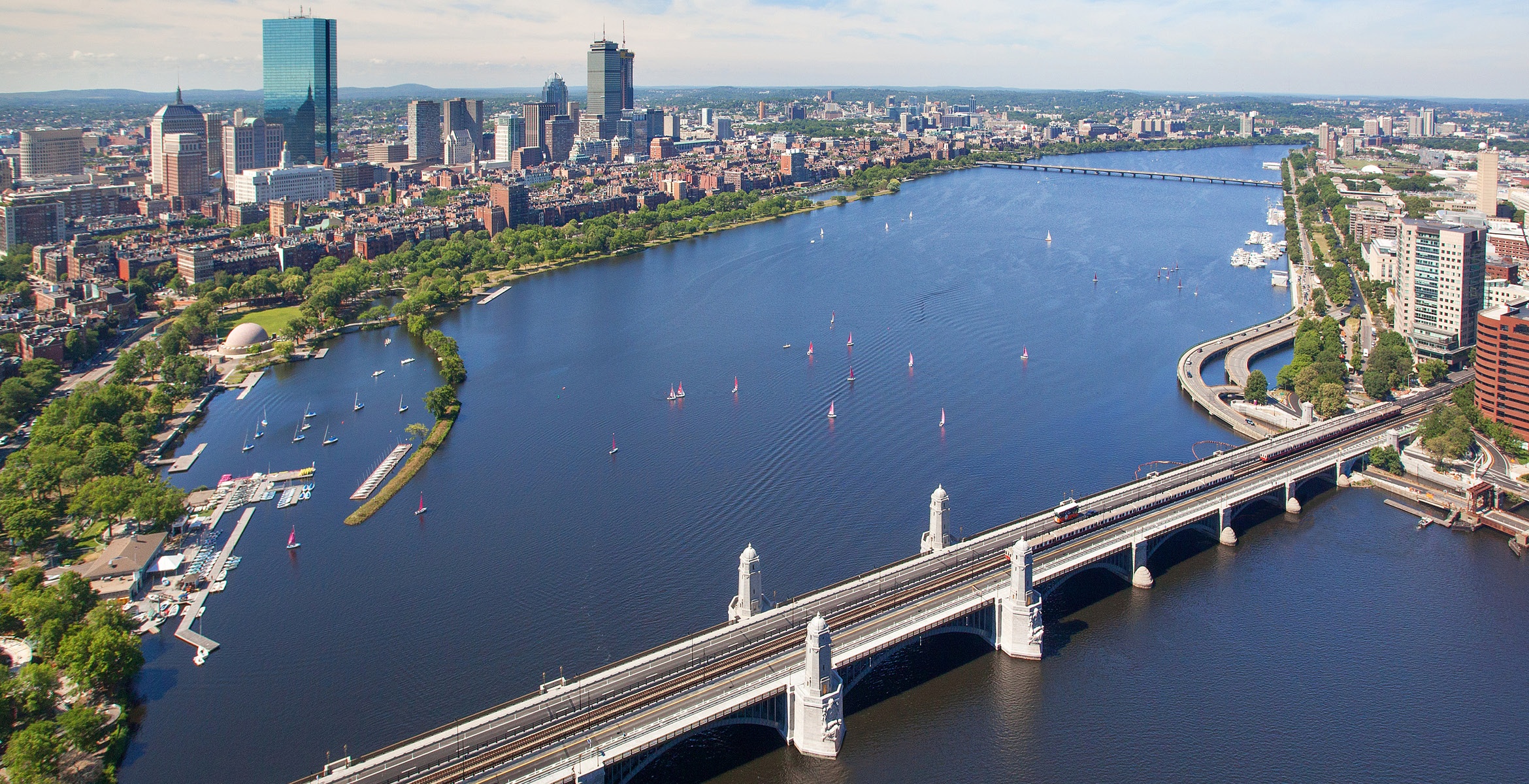
The city from the water

Why East Boston Is a Standout Spot for Photography Tours

East Boston is a study in contrasts and compressed vistas: a narrow ribbon of neighborhoods pushed up against Boston Harbor, threaded by working piers, modest parks, and streets shaped by waves of immigration. For photographers, that compression is an advantage. From the waterfront the city skyline reads like a layered subject—skyscrapers, ship masts, ferry wakes, and the long approach path to Logan Airport cross in a single frame. That confluence of elements rewards slow, deliberate shooting and invites a range of genres: landscape and seascape, urban skyline, reportage street photography, and careful long-exposure studies of water and light. Photographers drawn to East Boston quickly discover that this place is less about sweeping vistas and more about the small, telling details that make a story. Weathered bulkheads, lobster pots, rusting chains, and the handwritten signs on deli windows all create foreground texture for wider harbor or skyline compositions. Neighborhood scenes—porches, corner shops, murals—carry intimate human scales. That balance between human detail and broad harbor drama makes guided photography tours especially useful: a local guide knows tide windows for reflections, the best vantage points for planes against sunset, and how to move from gritty alleys to the elevated, framed skyline shots without wasting golden hour. Seasonality matters here, but not in extremes. Winter brings stark light and dramatic skies—exposed scaffolds and snow-edged piers—while spring and fall offer the most tranquil water and milder winds, easing long exposures. Summer is lively: early mornings yield the calmest water, while evenings are thick with atmospheric haze and warm tones. The hour around sunset is sacred for East Boston photographers because the harbor's surface acts as a mirror where city lights and last rays mingle, and because aircraft on final approach to Logan create dynamic silhouettes. Tides and ferry schedules add a near-architectural rhythm to shoots; low tide exposes textures at the shoreline that disappear at high tide, while incoming ferries provide motion and scale. Practicality shapes the best tours. East Boston is compact and accessible by water shuttle and the Blue Line, which means tours can be timed to light rather than long drives. Local operators often combine a harbor launch with walking segments that include Constitution Beach, Piers Park, and the Maverick Square corridors, offering a mix of vantage points and subject matter. Environmental awareness is important: much of the most photogenic shoreline is working waterfront or fragile habitat, so ethical composition—staying off fragile salt marshes, respecting private property, and avoiding disturbance of wildlife—ensures photographers can return to the same spots season after season. Whether you’re seeking billboard-worthy skyline panoramas, evocative long-exposures, or honest neighborhood portraits, East Boston rewards curiosity, good timing, and a light kit that balances tripod-ready stability with the mobility needed on narrow sidewalks and ferry decks.

East Boston’s waterfront offers layered compositions—foreground industrial detail, middle-ground water and ferries, and the distant Boston skyline.

Tide timing and ferry schedules are practical tools: low tide reveals textured foregrounds; ferries and planes add dynamic motion to otherwise static scenes.

The harbor is the gateway, and the Pacific becomes the classroom.

Neighborhood streets and community markets supply candid portrait and street-photography opportunities that pair well with harbor panoramas.
Activity focus

Choose by purpose

Whale watching, snorkeling, sunset sailing, cultural canoeing, harbor sightseeing, or private chartering.

Departure hubs

Start near the city

Waikiki and Honolulu Harbor are primary hubs, with some trips launching near Hanauma Bay.

Accessibility

Confirm the vessel

Gangways, shaded seating, and boarding requirements vary according to vessel size and operator.

Seasonal planning

Best Time to Visit

East Boston is warm year-round, but wind, swell, migration, visibility, and demand change the best match between traveler and trip.

East Boston boat tour
Year-round destination

Seasonal highlights change the reason to go

Winter favors humpback encounters; warmer, calmer months favor snorkeling visibility and smoother water.

Humpback season

Late spring through early fall when ferry services are frequent and outdoor activity is highest.

Prime whale watching, winter holidays, higher demand, and earlier sell-outs.

Snorkeling window

April–May–September–October

Typically gentler seas and clearer water for snorkeling trips.

Weather notes

Trade winds year-round

Spring and fall deliver the most reliable golden-hour colors and calmer harbor waters; summer mornings can be glassy but afternoons often see haze and humidity. Winter offers high-contrast scenes and dramatic skies but colder temperatures and occasional access limitations on icy piers.

Quieter opportunities

Late spring & summer weekdays

Winter weekday mornings provide solitude, dramatic light, and longer shadows—ideal for moody, minimalist compositions; expect shorter golden hours.

Match the trip to your comfort

Choose Your Experience Level

Low effort

Beginner

Ideal for photographers learning composition and light control. Tours focus on accessible spots, simple skyline framing, and basic portrait techniques without complex equipment.

  • Sunrise skyline shoot from Piers Park
  • Guided walk through Maverick Square for street and market photos
  • Short ferry ride for framed harbor compositions
Active day trip

Intermediate

For photographers comfortable with exposure control who want to expand into long exposures, tide-aware compositions, and more deliberate portrait setups.

  • Golden-hour long-exposure session at Constitution Beach
  • Portraits and environmental portraits in neighborhood settings
  • Timed ferry-approach shoots with skyline compression using telephoto lenses
Longer or technical

Advanced

Experienced shooters looking for technical challenges—night panoramas, advanced long exposures, layered multi-exposure skyline composites, and coordinated drone or boat-based shoots (where permitted).

  • Nighttime skyline stitching and light-pollution mitigation techniques
  • ND-filter daytime long exposures of harbor traffic
  • Commercial or editorial shoots requiring permit coordination

Prepare for sun, spray, and swell

What to Bring

Essential

Core kit

  • Camera body and at least one versatile lens (24–70mm or 24–105mm equivalent)
  • Sturdy travel tripod for long exposures and low-light scenes
  • Neutral density filter for daytime long exposures over water
  • Spare batteries and memory cards
  • Waterproof jacket and protective coverings for gear (spray from the harbor)
Recommended

Useful extras

  • Telephoto or fast prime for portraits and compressed skyline shots (70–200mm or 85mm)
  • Polarizing filter to manage reflections and deepen skies
  • Small reflector or off-camera flash for portrait work
  • Compact wipe kit and microfiber cloths for salt spray
  • Lightweight sling bag for mobility on piers and ferry decks
Optional

Trip-specific

  • Drone (check local regulations and Logan Airport airspace restrictions)
  • Intervalometer for time-lapses
  • Rain cover for camera and backpack
  • Lens cloth with anti-corrosion spray for metal gear
Respect tides, working waterfront signage, and proximity to Logan Airport. Confirm permissions for commercial or drone work.

Insider Tips & Local Knowledge

Reserve whale-watching and popular sunset cruises well ahead during December–April.
Choose morning snorkeling departures for calmer seas and better underwater visibility.
For motion sensitivity, choose a larger vessel, sit mid-ship, and take preventative medication before boarding.
Do not touch coral or wildlife, avoid standing on reefs, and use reef-safe sunscreen.
Community-based operators may add context about traditional navigation and stewardship.
Arrive early for parking and check-in because Waikiki departure areas can be busy.

Planning questions

Frequently Asked Questions

For casual photography in public spaces, no special permit is typically required. Commercial shoots, tripods on private piers, or drone use near Logan Airport may require permits—confirm with Boston’s permitting office and property owners.
Top Photography Tours in East Boston, Massachusetts
Ready for your photography tour adventure?

Browse 8 verified trips in East Boston.

Compare current availability and book with instant confirmation.

Explore East Boston photography tour