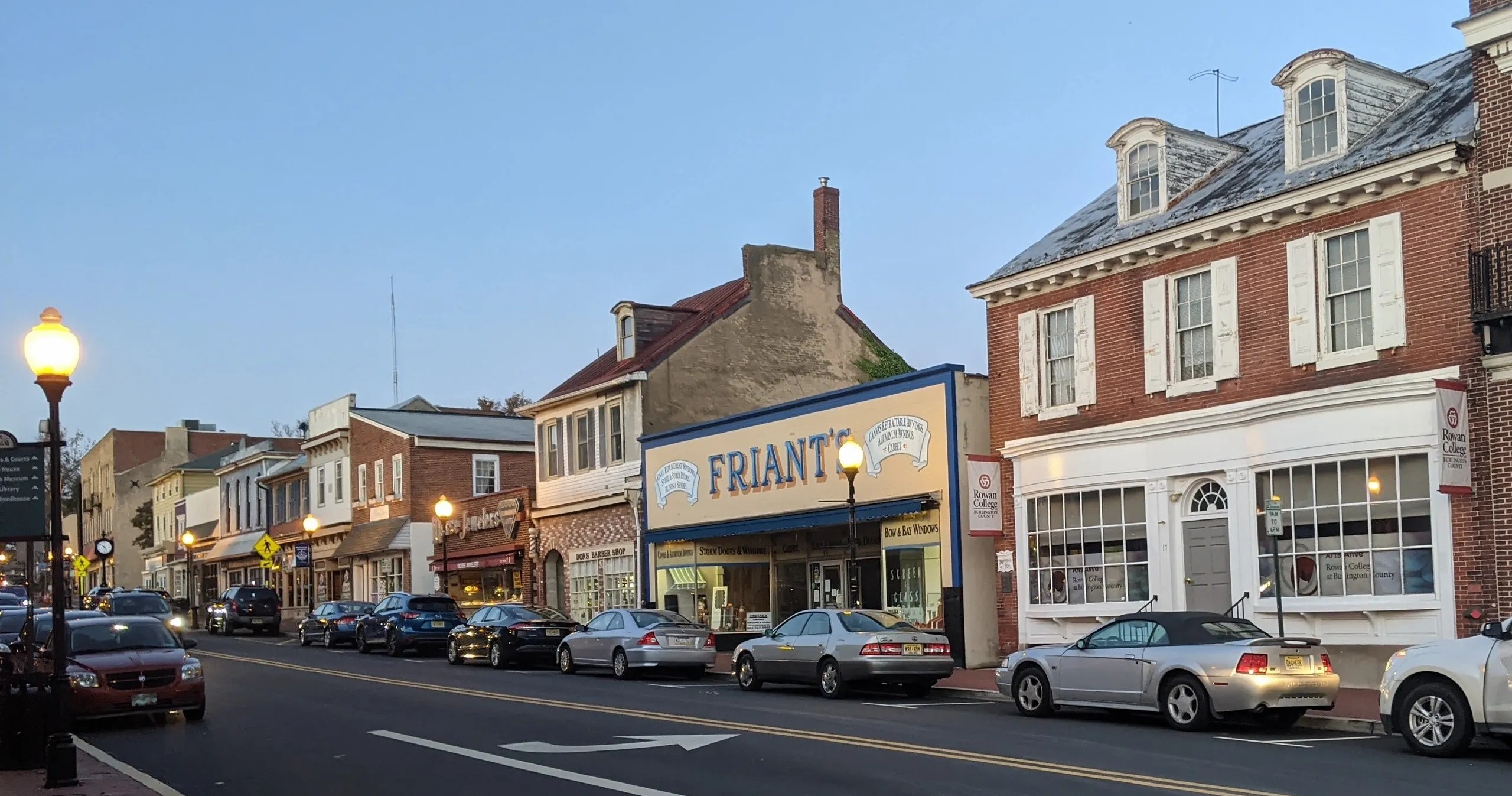
Why Egg Harbor City Is a Distinctive Walking Tour Destination
Egg Harbor City sits at a quietly interesting crossroads: not a coastal boardwalk town, but close enough to the Delaware Bay and the Atlantic to feel salt air in its story; not a deep wilderness outpost, but perched on the subtle edge of the New Jersey Pinelands where pine, cedar, and low-lying scrub make for an intimate walking landscape. On foot, the town unfolds like a compact, layered chapter—ornate porches and small commercial blocks give way within minutes to riverside marsh pathways and then into long, easy stretches of shaded dirt where the pulse of the Pinelands is audible in birdsong and the rustle of needles. Walking here is a way of reading the place: its ecology, its seasonal shifts, and the human-scale history that shaped settlement patterns and local industry.
The pleasure of an Egg Harbor City walking tour is its scale and variety. A single morning can include a gently paced historical walk through the downtown core—pausing at storefronts, community markers, and pocket parks—and an afternoon can bring you to the water’s edge where tidal rhythms modulate the light and the sky. For naturalists and birders, the marsh corridors and river fringes act as living stages: expect to witness migratory funnels in spring and fall, wary shorebirds probing the mudflats, and songbirds in the pine understory. For culture-focused walkers, the town’s modest civic architecture and local businesses offer glimpses of regional life, from family-run diners to small galleries and artisan shops. The tours collected here are intentionally varied—short history loops for casual strolls, boardwalks for easy-access observation, and longer mixed-terrain routes that nudge into preserved Pinelands parcels.
Practical advantages make Egg Harbor City appealing to walking-tour travelers: parking is generally easier than in neighboring coastal hubs, trails and sidewalks are accessible from central points, and many routes can be combined with complementary activities—paddling sections of the Mullica River, cycling nearby country lanes, or sampling regional farm-to-table offerings. At the same time, the walking experience rewards a slower pace: watch light change across marsh grass, time your walk for low tide to extend shore access, or choose early morning for cooler air and active wildlife. The guides below prioritize humane logistics—clear distance and terrain notes, wheelchair and stroller considerations where applicable, and seasonal adjustments for heat, insects, and tidal schedules—so you can arrive prepared and move through the landscape with curiosity and respect.
Walking tours here are shaped by subtle contrasts—the neat geometry of downtown streets versus the organic lines of marsh and forest. That contrast is part of the appeal; the infrastructure of sidewalks, small parks, and interpretive signs makes it easy to transition from civic history to natural observation without a long drive.
Seasonality changes the character of each route. Spring and fall bring the most comfortable temperatures and the year’s densest bird movements, summer favors evening and early-morning walks to avoid heat and insects, and winter offers stark vistas and quiet streets for those willing to layer up.