Top 8 Dolphin Experiences in Eleele, Hawaii
Eleele Dolphin Guide

Top 8 Dolphin Experiences in Eleele, Hawaii

Eleele’s shallow bays and nearby offshore reefs create a lively theater for dolphins—spinner pods at dawn, curious bottlenose pairs riding bow wakes, and the occasional rough-toothed traveler scanning deeper water. This guide focuses on dolphin-centered outings from Eleele: boat tours, guided snorkeling, kayak approaches, and mindful shore-based watching that emphasize wildlife-first ethics, local knowledge, and practical planning for safe, unforgettable encounters.

Hanapepe BaySouth Shore KauaiKauai Marine Life

Live destination inventory

Top Dolphin Trips in Eleele

8 trips · Book with confidence · Instant confirmation

The prototype intentionally does not invent replacement trip cards or add images that are not already part of the live source page.

The city from the water

Why Eleele Is a Standout Dolphin Destination

On the south side of Kauai, Eleele offers a compact, low-key launching point into an ocean that feels both intimate and wildly alive. The waters off Hanapepe Bay and the neighboring shelf produce a layered marine landscape: shallow coral gardens near shore that feed reef fish and turtles, deeper channels that act as transit lanes for pelagic species, and near-surface thermoclines that concentrate baitfish and the predators that follow them. Dolphins—primarily spinner and bottlenose species—use this mosaic for feeding, socializing, and traveling. Their behavior here is shaped by the island’s mash-up of currents and coastal topography: rollers and upwellings push forage along predictable paths, creating the brief, brilliant windows where pods appear in numbers. A dolphin trip from Eleele is less about a single grand sighting and more about the layered discoveries that surround it: the soft whir of a vessel pulling quiet as guides read the water, the first exhaled cloud of a dorsal at distance, then the cascade of spins and surfacing pairs that make you drop into the present. Local captains know the rhythms—the earliest light often brings the most playful activity, while glassy midday surfaces can reveal traveling animals moving with purpose. Cultural context matters here as much as biology; fishermen, hula mothers, and kupuna have long watched the sea’s comings and goings, and many small operators weave that respect for place into their outings. Responsible dolphin experiences in Eleele aim to amplify that ethos: observe more than direct, keep a respectful distance, and let the animals lead the interaction. Practical conditions in Eleele favor a wide spectrum of visitors. Calm-surf days allow novice kayakers to edge closer from non-motorized craft, while larger charter boats allow photographers and families to remain comfortable and stable. The area’s relative proximity to port means quicker runs to core habitats compared with longer-haul departures elsewhere on Kauai—less travel, more time watching. That accessibility changes how you plan: morning light, a small waterproof camera, reef-safe sunscreen, and a guide who prioritizes animal welfare will transform a standard boat ride into a meaningful, conservation-minded encounter. Whether you’re chasing flips from a high-energy spinner pod or quietly watching a maternal bottlenose group move through, Eleele’s dolphin outings combine the immediacy of marine life viewing with the layered cultural and ecological awareness of a true island experience.

Dolphin species: Spinner dolphins are the acrobats—the species most likely to spin and leap in daylight—while bottlenose dolphins favor close shorelines and social groups.

Local operators emphasize low-impact viewing practices, and many integrate reef education, reef-safe snorkeling, and small-group policies to minimize disturbance.

The harbor is the gateway, and the Pacific becomes the classroom.

Because Eleele sits on the island’s south shore, ocean conditions can be more sheltered than the north and west coasts, but trade winds and swells still shape daily plans.
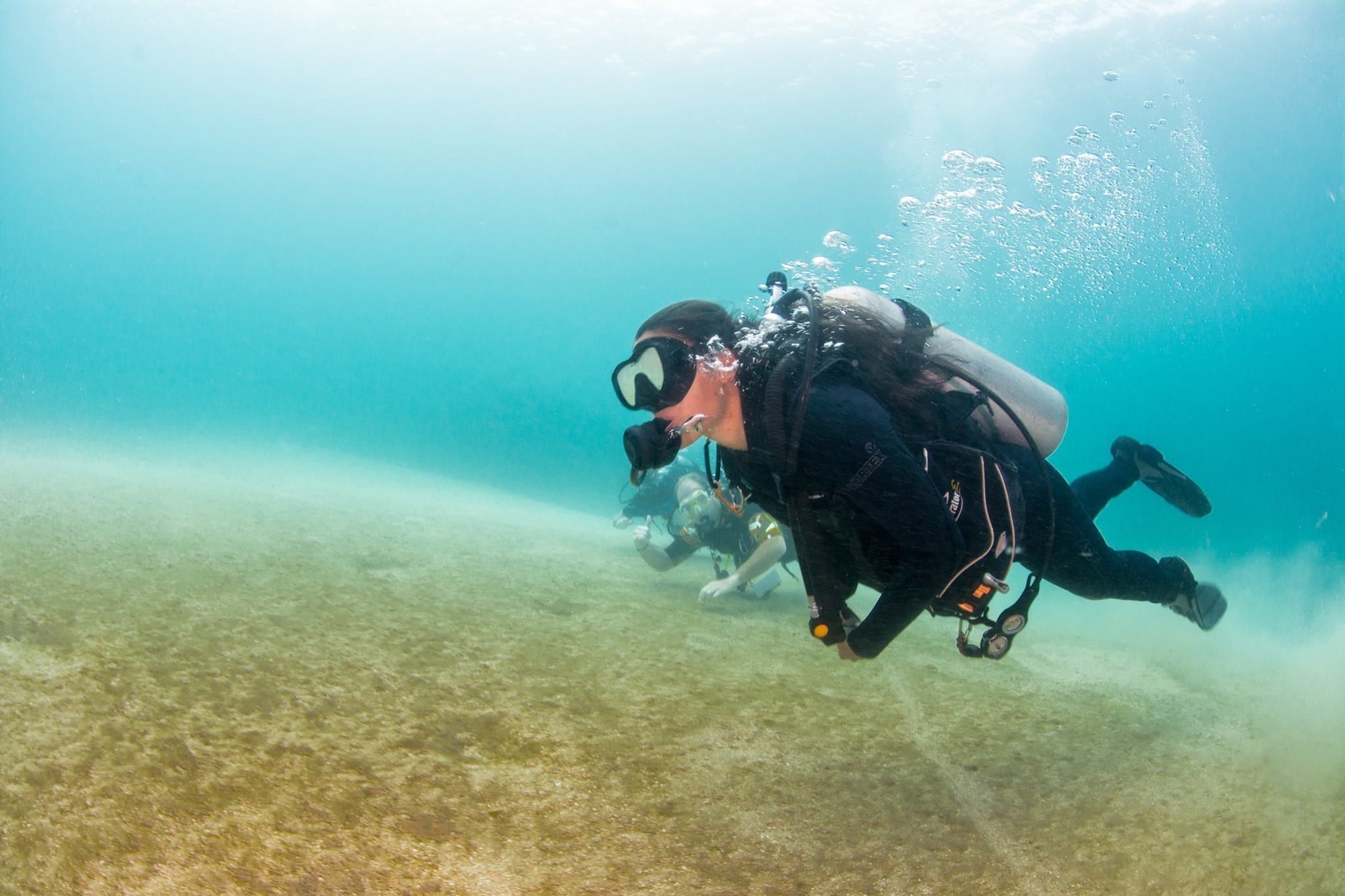
Activity focus

Choose by purpose

Whale watching, snorkeling, sunset sailing, cultural canoeing, harbor sightseeing, or private chartering.

Departure hubs

Start near the city

Waikiki and Honolulu Harbor are primary hubs, with some trips launching near Hanauma Bay.

Accessibility

Confirm the vessel

Gangways, shaded seating, and boarding requirements vary according to vessel size and operator.

Seasonal planning

Best Time to Visit

Eleele is warm year-round, but wind, swell, migration, visibility, and demand change the best match between traveler and trip.

Eleele boat tour
Year-round destination

Seasonal highlights change the reason to go

Winter favors humpback encounters; warmer, calmer months favor snorkeling visibility and smoother water.

Humpback season

Late spring through early fall for the most consistent calm-weather windows and family travel bookings.

Prime whale watching, winter holidays, higher demand, and earlier sell-outs.

Snorkeling window

March–April–May–June–July–August–September–October

Typically gentler seas and clearer water for snorkeling trips.

Weather notes

Trade winds year-round

Calmer, clearer seas are most likely in spring through early fall. Trade winds tend to strengthen in late morning and afternoon; aim for early departures. Rain can appear suddenly in the tropics but often passes quickly.

Quieter opportunities

Late spring & summer weekdays

Winter months may still offer strong sightings and fewer crowds; however, rougher sea states and shorter daylight can shorten or alter trip plans.

Match the trip to your comfort

Choose Your Experience Level

Low effort

Beginner

Short, family-friendly boat trips and shore-based observation with minimal kayaking or snorkeling required.

  • Half-day dolphin-watching cruise from Eleele Harbor
  • Shore vantage spotting at Hanapepe Bay with binoculars
  • Introductory reef snorkeling with a guide (no deep-water swimming)
Active day trip

Intermediate

Hands-on small-boat charters, guided snorkeling into known dolphin areas, and calm-water kayak approaches for active participants.

  • Small-group eco-charter with onboard naturalist
  • Guided kayak approach to nearby bays with potential surface sightings
  • Snorkel-and-watch combo trips that include reef education
Longer or technical

Advanced

Longer offshore expeditions, photo-focused charters, or multi-activity days combining marine mammal search with birding or reef surveys; demands good sea condition tolerance.

  • Full-day offshore search for traveling pods and pelagics
  • Photographic charter timed for golden-hour activity
  • Combined marine birding and cetacean survey trips

Prepare for sun, spray, and swell

What to Bring

Essential

Core kit

  • Reef-safe sunscreen and sun hat
  • Seasickness remedies if prone (patch, ginger, or medication)
  • Light waterproof layer for spray and wind
  • Reusable water bottle and snacks
  • Waterproof phone case or compact camera
Recommended

Useful extras

  • Polarized sunglasses for spotting distant blows and dorsal fins
  • Snorkel gear (if planning to swim) — check operator rules first
  • Small dry bag for essentials
  • Ear plugs or soft-shell ear protection if swimming near waves
Optional

Trip-specific

  • Binoculars for shore-based or long-range sightings
  • GoPro or action camera with float strap
  • Notebook for jotting naturalist notes and pod IDs
Prioritize operators that follow NOAA and state guidelines for marine mammal viewing; small-boat, wildlife-first outfits generally provide the best combination of time on water and minimal disturbance.

Insider Tips & Local Knowledge

Reserve whale-watching and popular sunset cruises well ahead during December–April.
Choose morning snorkeling departures for calmer seas and better underwater visibility.
For motion sensitivity, choose a larger vessel, sit mid-ship, and take preventative medication before boarding.
Do not touch coral or wildlife, avoid standing on reefs, and use reef-safe sunscreen.
Community-based operators may add context about traditional navigation and stewardship.
Arrive early for parking and check-in because Waikiki departure areas can be busy.

Planning questions

Frequently Asked Questions

Most commercial dolphin tours operate under general marine and commercial vessel regulations; individual visitors do not need a permit. If you plan scientific observation or a specialized research activity, permits may be required—check with state marine authorities.
Top 8 Dolphin Experiences in Eleele, Hawaii
Ready for your dolphin adventure?

Browse 8 verified trips in Eleele.

Compare current availability and book with instant confirmation.

Explore Eleele dolphin