Why Eleele Is a Standout Hiking Destination
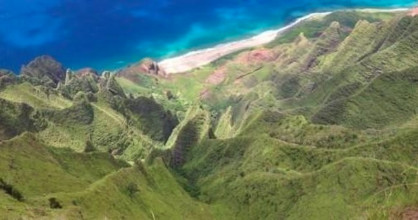
Eleele sits modestly on Kauai’s southern flank, a place where plantation-era roads fold into shoreline paths and the island’s interior—its ridges, canyons, and wet valleys—feels a short, purposeful drive away. Hiking around Eleele is less about alpine summits and more about shifting textures: the salt-bright smell of the Pacific one minute, the dense, humidity-heavy hush of a valley rainforest the next. Trails here braid cultural memory into the landscape—old irrigation ditches and stone walls, taro terraces just off the beaten path, and coastal paths that pass fishing spots and quiet beaches. The pace of a hike in this pocket of Kauai rewards attention to detail: lichen patterns on lava, the hollow knock of a koa tree, the sudden opening of a view into Waimea’s red-brown chasm.
Seasonality and microclimates are central to the Eleele hiking experience. South and west-facing exposures get more sun and drier months often mean fast, clear walks along the shore and in the lower valleys; the interior and higher elevation trails—accessible with a drive toward Waimea Canyon and Koke'e—receive more rain and can transform from dusty tracks into saturated, root-strewn routes after storms. That variability is also part of the appeal: one morning you’ll be moving along a breezy bluff at sea level, and by afternoon you might be trading reef-blue vistas for the layered greens and mist of a higher-elevation rim. These contrasts make Eleele a practical base for a variety of hikers. Families and casual walkers find accessible shoreline loops and short cultural trails; intermediate hikers discover valley-to-overlook circuits and plantation roads that climb steadily; advanced hikers use Eleele as a jumping-off point for full-day canyon traverses and remote ridge routes deeper into the island.
Practicality sits beside romance. Trails near Eleele are often less crowded than some of Kauai’s better-known trailheads, which lets you move at your own rhythm—stop frequently for photos, listen for native birds, or linger over a coastal slab with lunch. But solitude comes with responsibility: many coastal stretches cross private or culturally sensitive lands; tides and sea conditions can turn an easy walk into a hazardous one; and the island’s weather can flip quickly, so wet-season conditions demand traction awareness and changed creek crossings. The best experiences here layer preparation with curiosity: bring a map, respect locally posted access notes, start early to avoid midday heat and to give yourself time to return before weather or tides shift, and plan for the simple logistics—parking, sunscreen, bug spray, and a water supply. When handled with care, hiking in and around Eleele reveals Kauai’s elemental contrasts—salt and stone, shade and glare, cultivated memory and wild topography—packed into compact, unforgettable outings.
The access advantage: Eleele’s small-town roads place trailheads, boat launches, and canyon access within short drives—making it efficient to stitch half-day hikes into a larger travel day.
Trail variety: Coastal promenades, valley walks with native plants, plantation-era access roads, and nearby canyon rims offer options for nearly every fitness level.
Cultural context: Many trails pass places with historical and contemporary Hawaiian significance—practice respectful observation and follow local signage.