Why Eleele Is a Standout Whale-Watching Destination
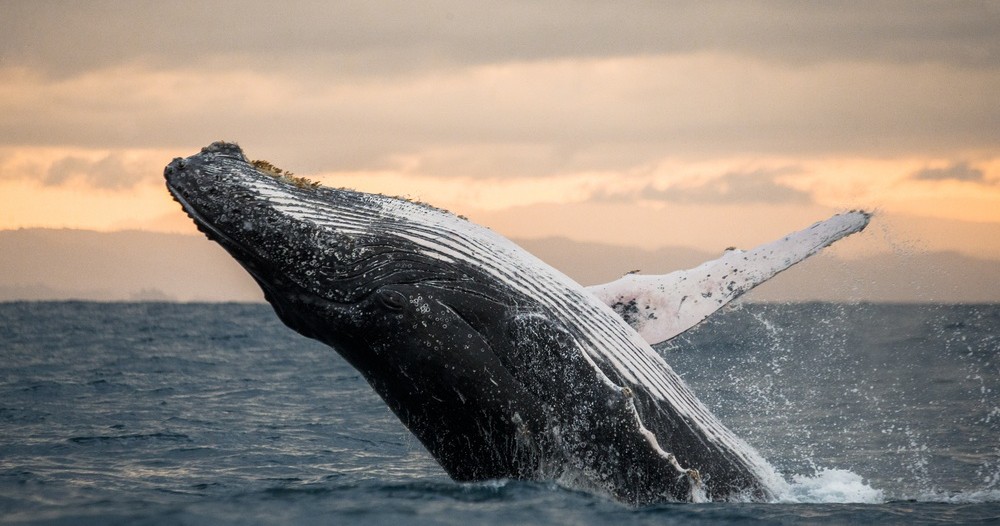
There’s a specific hush that falls over a small harbor when the first exhale breaks the surface: a slow white plume, a vibration that runs through the hull, and then the unmistakable arch of a humpback’s back as it dives. Eleele’s shoreline offers more than a place to board a boat; it is a meeting point between travelers and one of the ocean’s most charismatic long-distance travelers. Each winter, humpback whales cross thousands of miles from Alaskan feeding grounds to the warm Hawaiian waters to breed, calve, and sing. Watching them here feels cinematic—baleen plates, barnacled flukes lifted like stage curtains, and the sudden, joyful physics of a breach—but it is also a lesson in scale and stewardship. Eleele’s relatively sheltered approach to the open Pacific means small vessels can reach likely whale habitat without long crossings, so a morning out of Port Allen can yield repeated contact with active pods.
The setting amplifies the experience. On one side you have a working coastline threaded with the low slopes and palms of Kauai’s south shore; on the other, the ocean drops away into deeper channels that funnel migrating whales. Weather patterns—trade winds, winter swells, and occasional storm fronts—shape where whales concentrate and how operators choose routes. Sightings in Eleele are rarely the incidental, one-glimpse affair of a commuter ferry; they tend to be deliberate encounters, often paired with competitive surface behaviors and maternal pairs that linger in calmer bays. That intimacy, however, is governed by regulations designed to protect the animals and the integrity of the experience: minimum approach distances, no-chase policies, and limits on time spent near a single group. For the traveler, that means you’ll come away with stories about close encounters and a clearer sense of the ethics of wildlife viewing.
Beyond the whales themselves, Eleele’s whale-watching season dovetails with other south-shore adventures: snorkeling with reef fish and honu (green sea turtles) in calmer coves, scenic runs along the Na Pali coast from the water, and short birding stops in coastal wetlands. For those who want more than a single outing, the rhythm of Kauai invites a layered itinerary—sunrise hikes, a midday boat trip to seek whales and dolphins, and an evening tasting of local seafood and Hawaiian coffee. Practically, Eleele’s proximity to Lihue makes it an easy add-on to a Kauai visit: shore-side logistics are straightforward, parking is familiar to operators, and shore facilities are scaled to small-group departures. In short, Eleele offers whale watching that feels intentionally local: marine life front-and-center, weather and ocean science visibly shaping the day, and a host of complementary coastal activities that round out the trip.
Whales arrive in Hawaiian waters mainly from December through April, with peak activity often from February to March. That window aligns with calmer winter seas nearshore on certain days, which improves viewing opportunities from smaller vessels launched in Port Allen and nearby harbors.
Because Eleele is a smaller embarkation point, trips are frequently shorter than long open-ocean excursions—meaning more time in likely habitat and quicker returns to shore. Operators often combine whale watching with dolphin spotting, coastal sightseeing, or snorkeling if conditions allow.