Why Fajardo Is a Standout Walking Tour Destination
Walking in Fajardo feels like peeling back layers of coastal Puerto Rico—each block and shoreline reveals a different facet of island life. The town itself is compact: a marina that hums with charter captains and early-morning fishermen; a small downtown where pastel buildings host cafés, hardware stores, and bodegas; and shorelines that change from rocky headlands to soft sand within minutes. Those contrasts make walking tours especially rewarding. On a single route you can move from the scrubby, wind-swept point of a promontory—where waves and seabirds create a soundtrack—to the intimate ecology of a mangrove fringe, then into streets where conversations and culinary aromas map everyday rhythms.
Beyond the town limits, Fajardo is a gateway to ecological textures that beg to be experienced on foot. The boardwalks around Laguna Grande skirt dense mangroves and reveal the quiet machinery of tidal systems; at night, guided shoreline walks prepare you for the bio-luminescence that lights up the water in otherworldly blue. Morning walks along the marina and adjacent coastal paths give a privileged view of the boat traffic that shapes the town’s economy—charter skiffs heading to nearby cays, dive boats loading tanks for reef trips, and locals launching paddleboards along glassy bays. Nearby trails—short forest paths and low-elevation coastal tracks—bring the scent of salt and the shade of native trees into your stride, offering relief in the island’s warmer months.
For travelers who appreciate cultural texture, walking is the most immediate way to access it. Historic markers and small museums are woven into daily life rather than concentrated in a single tourist district; murals and weathered facades tell stories of colonial history, hurricane resilience, and the fishing traditions that persist. Food-focused walking tours deliver a series of intimate stops—kiosks dishing up fritters and empanadas, street vendors selling fresh fruit, and family-run diners where coffee is ritual. On the environmental side, interpretive walks and volunteer-led shoreline cleanups provide a hands-on window into conservation challenges: coral reef health, mangrove protection, and the seasonal rhythms of sea turtle nesting on nearby beaches. Walking in Fajardo isn’t just about movement—it’s about calibration: slowing down enough to notice subtle tides, the difference in bird calls between mangrove and reef, and the human-scale economies that have evolved to live with the sea.
Walking tours in Fajardo are highly adaptable: you can plan short, accessible coastal strolls, longer nature-oriented walks to mangroves and low trails, or evening tours that focus on bioluminescence and nocturnal wildlife. Local guides often blend natural history with culinary stops and personal stories, creating a connective thread between landscape and community.
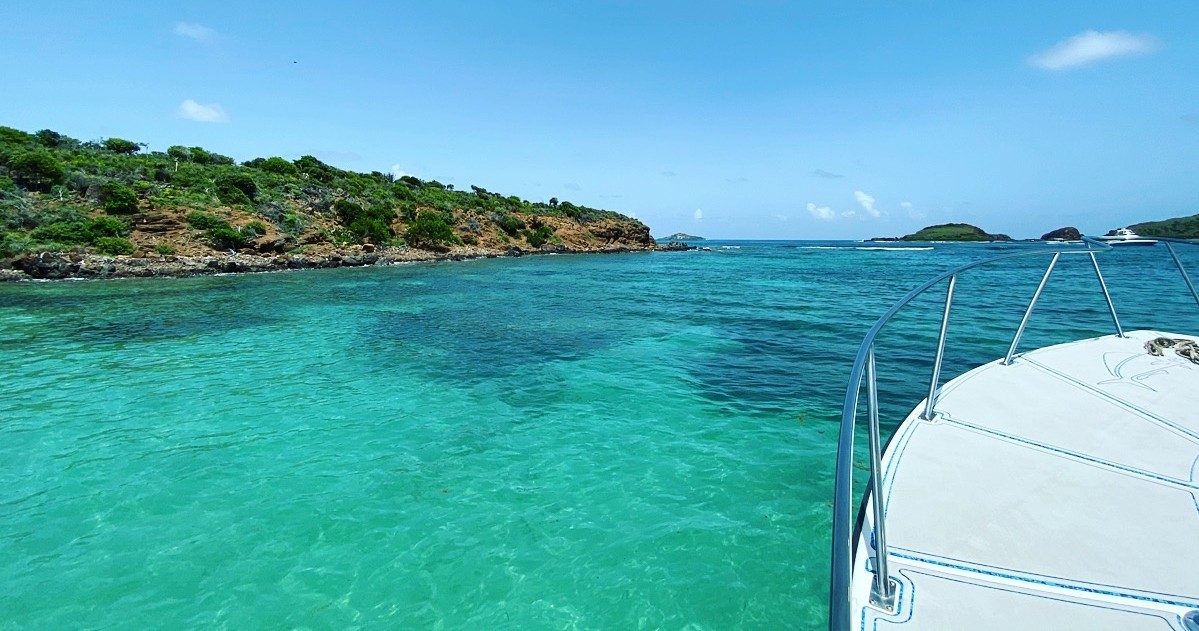
Because Fajardo sits on the eastern edge of the island, it also functions as a launching point for island-hopping and sea-based exploration. Many walking tours pair naturally with snorkeling, kayaking, or boat trips to Icacos and Palomino, letting you stitch together a full day of footwork and water play.