Kayak Flagler Beach: Coastal Paddling, Tidal Creeks & Surf Launches
Flagler Beach Kayak Guide

Kayak Flagler Beach: Coastal Paddling, Tidal Creeks & Surf Launches

Flagler Beach is a compact coastal town where Atlantic surf, sheltered intracoastal channels, and salt-marsh creeks meet within a short paddle of one another. Kayakers can choose glassy estuary runs for wildlife watching, sheltered day trips that skirt dune-backed beaches, or more technical launches into shorebreak for surf-friendly paddling. This guide orients paddlers to terrain, tides, seasonality, and local resources so you can plan everything from a family-friendly sunset paddle to a tide-driven birding expedition.

Atlantic CoastIntracoastal WaterwaySaltmarshes & Tidal Creeks

Live destination inventory

Top Kayak Trips in Flagler Beach

41 trips · Book with confidence · Instant confirmation

The prototype intentionally does not invent replacement trip cards or add images that are not already part of the live source page.

The city from the water

Why Flagler Beach Is Ideal for Kayakers

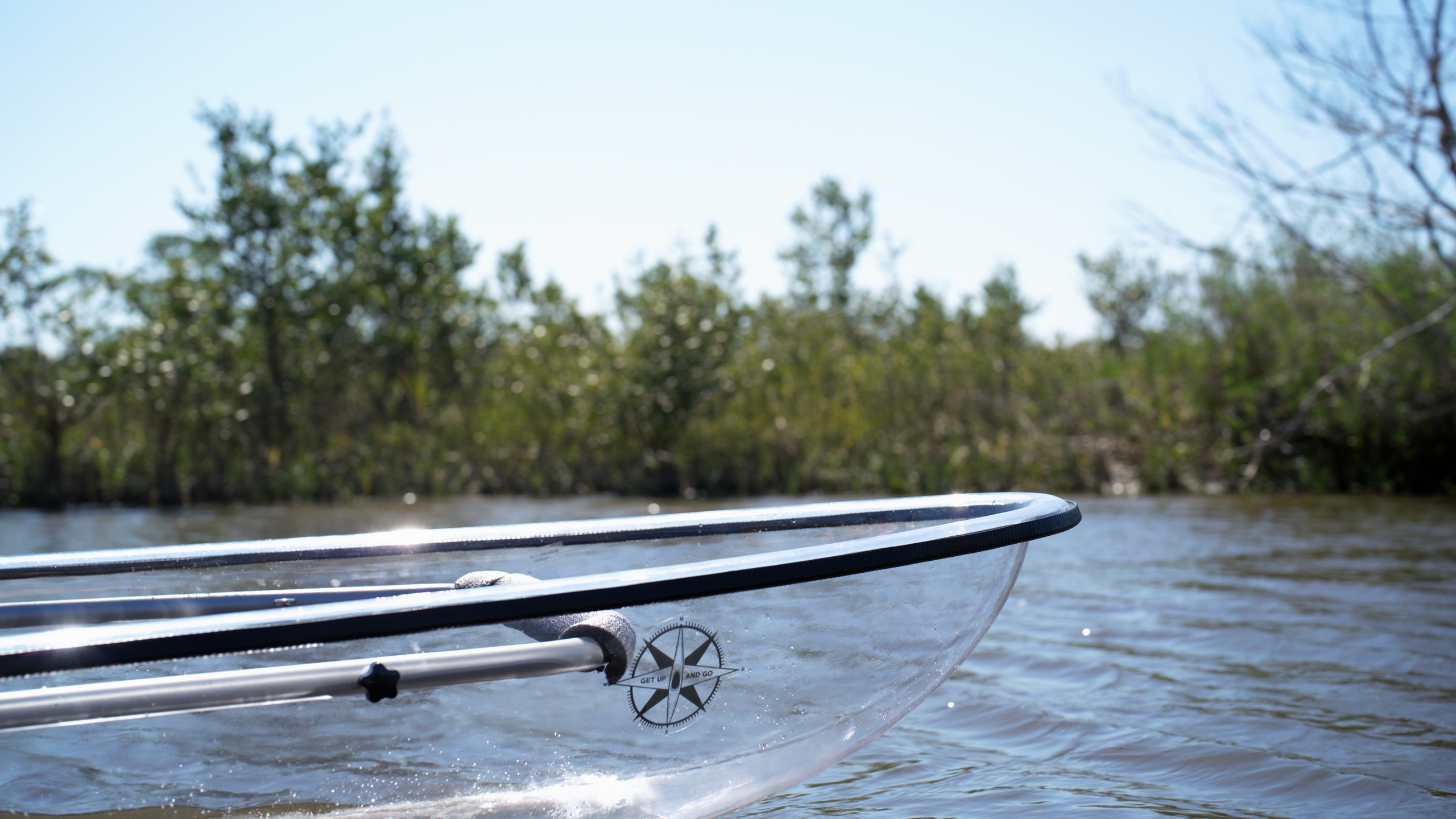
Flagler Beach channels the contradictions that make coastal paddling addictive: an exposed Atlantic edge that tests surf skills sits a short glide from sheltered tidal creeks and the calm Intracoastal Waterway. For paddlers, that proximity translates to choices. Mornings can begin with glassy, low-wind estuary laps under ospreys and willets; afternoons might bring the soft, rhythmic challenge of launching through shorebreak or following a shoreline corridor where ghost crabs, terns, and foraging pelicans are constant companions. The coastline here is characterful rather than monumental. You won't find towering cliffs, but you will find long, curving beaches, dune vegetation, and stretches of marsh that act as nurseries for fish and as magnets for migratory birds. Those muddy flats and oyster bars—exposed at low tide—create a changing tapestry that paddlers learn to read: channels deepen with the tide, and what is a gentle flat at high water becomes a maze of exposed oysters and sandbars at low. That tidal choreography becomes part of the plan; trips are rarely the same twice. Culturally, Flagler Beach retains a small-town, surf-town authenticity. Launch points are interwoven with public beach access, municipal boat ramps, and local outfitters who run eco-tours, night paddles, and surf-kayak sessions. That local ecosystem—outfitters, bait shops, and beachside cafés—makes it easy for visiting paddlers to outfit a day trip or book a guided experience focused on birding, inshore flats fishing, or the rare bioluminescent evening paddle when conditions align. Environmentally, the area is sensitive and richly productive. Seagrass beds, salt marshes, and nesting beaches support sea turtles, shorebirds, and anadromous fish. As a result, paddlers share the water with wildlife and stewardship responsibilities: respect nesting zones, avoid grounding gear on seagrass, and follow simple low-impact practices. Tide and weather awareness are essential here. Summer brings heat and daily showers with a risk of thunderstorms; spring and fall provide cleaner light, migrating shorebirds, and comfortable paddling conditions. Practically, Flagler Beach is approachable for a wide range of ability levels. New paddlers will find calm protected routes and guided trips; intermediate paddlers can explore tidal-run timing and creeks that require basic navigation skills; advanced paddlers will find surf and long coastal runs that demand towing skills, surf-launch technique, and an eye for currents. For day visitors, the town's compact nature means you can launch early, paddle a few focused miles, and be back for a late lunch without long drives. In short, Flagler Beach is a paddler’s small-scale laboratory: varied water, abundant wildlife, and a local culture that supports both casual morning outings and purpose-built adventures. Read on for seasonal planning, launch points, packing lists, and expert tips to make your paddle safe, efficient, and unforgettable.

For wildlife viewers, tidal timing is everything. Early morning or late afternoon low tides reveal foraging flocks and expose winding channels where fish concentrate, attracting birds and dolphins. Guided eco-tours can amplify sightings and point out sensitive areas to avoid.

Surf and shorebreak near the pier and beach access points make Flagler a useful training ground for surf-kayaking or practicing draw strokes and re-entry techniques. Local outfitters often run surf clinics when conditions permit.

The harbor is the gateway, and the Pacific becomes the classroom.

The Intracoastal Waterway and adjacent creeks offer family-friendly paddling with calm water and scenic marshland. These routes are ideal for stand-up paddleboarding, fishing from a kayak, or a relaxed photo-focused outing.
Activity focus

Choose by purpose

Whale watching, snorkeling, sunset sailing, cultural canoeing, harbor sightseeing, or private chartering.

Departure hubs

Start near the city

Waikiki and Honolulu Harbor are primary hubs, with some trips launching near Hanauma Bay.

Accessibility

Confirm the vessel

Gangways, shaded seating, and boarding requirements vary according to vessel size and operator.

Seasonal planning

Best Time to Visit

Flagler Beach is warm year-round, but wind, swell, migration, visibility, and demand change the best match between traveler and trip.

Flagler Beach boat tour
Year-round destination

Seasonal highlights change the reason to go

Winter favors humpback encounters; warmer, calmer months favor snorkeling visibility and smoother water.

Humpback season

Spring (March–May) and parts of fall (Sept–Oct) when conditions and wildlife activity attract more paddlers and guided trips.

Prime whale watching, winter holidays, higher demand, and earlier sell-outs.

Snorkeling window

March–April–May–September–October–November

Typically gentler seas and clearer water for snorkeling trips.

Weather notes

Trade winds year-round

Spring and fall offer moderate temperatures, fewer afternoon thunderstorms, and excellent wildlife activity. Summer is hot and humid with daily convective storms; if you paddle then, go early and expect windier afternoons. Winters are mild and often pleasant for paddling, though occasional cold fronts bring northerly winds and choppier coastal water.

Quieter opportunities

Late spring & summer weekdays

Winter weekdays bring quieter waters and lower visitor density—good for solitude. Summer mornings deliver calm water for early paddles, and some outfitters run specialized night bioluminescence tours on peak evenings.

Match the trip to your comfort

Choose Your Experience Level

Low effort

Beginner

Flatwater paddles in the Intracoastal or short guided creek tours with calm conditions—minimal surf, short distances, and low navigation complexity.

  • Intracoastal family paddle near municipal ramps
  • Guided tidal-creek eco-tour for birding
  • Short beach-to-pier sighting paddle at high tide
Active day trip

Intermediate

Longer day paddles that involve tide management, modest open-water crossings, or paddling around exposed oyster bars—requires basic navigation and confidence in changing conditions.

  • Tidal-run through marsh channels timed to the incoming tide
  • Coastal point-to-point paddle along dune-backed beaches
  • Mixed estuary-to-inlet route with shallow navigation
Longer or technical

Advanced

Ocean surf launches, paddle-surfing near shorebreak, and long coastal or offshore crossings that demand surf re-entry skills, current reading, and advanced rescue techniques.

  • Surf kayaking sessions near shorebreak and the pier
  • Long-distance coastal run with surf launches and landings
  • Tidal-current planning and navigation for exposed routes

Prepare for sun, spray, and swell

What to Bring

Essential

Core kit

  • U.S. Coast Guard–approved PFD (worn at all times)
  • Dry bag with phone in waterproof case
  • Tide and wind forecast (downloaded or printed)
  • Sun protection: hat, long-sleeve sun shirt, reef-safe sunscreen
  • Hydration and salty-weather snacks
Recommended

Useful extras

  • Basic repair kit and paddle leash
  • Whistle and compact VHF or handheld personal locator (for open-water paddles)
  • Light layers for changing coastal breezes
  • Water shoes or reef-safe sandals for rocky/shallow launches
  • Local map or chart showing channels and oyster bars
Optional

Trip-specific

  • Binoculars for birding
  • Underwater camera or waterproof point-and-shoot
  • Fishing license and light tackle if planning to fish from your kayak
  • Headlamp for early-morning or dusk launches
Respect tides, wildlife, and local launch etiquette; check conditions before you go.

Insider Tips & Local Knowledge

Reserve whale-watching and popular sunset cruises well ahead during December–April.
Choose morning snorkeling departures for calmer seas and better underwater visibility.
For motion sensitivity, choose a larger vessel, sit mid-ship, and take preventative medication before boarding.
Do not touch coral or wildlife, avoid standing on reefs, and use reef-safe sunscreen.
Community-based operators may add context about traditional navigation and stewardship.
Arrive early for parking and check-in because Waikiki departure areas can be busy.

Planning questions

Frequently Asked Questions

Most recreational paddling does not require permits. However, certain protected areas, wildlife refuges, or state parks you may access could have entrance or parking fees. Check specific launch sites and local regulations before you go.
Kayak Flagler Beach: Coastal Paddling, Tidal Creeks & Surf Launches
Ready for your kayak adventure?

Browse 41 verified trips in Flagler Beach.

Compare current availability and book with instant confirmation.

Explore Flagler Beach kayak