Why Hakalau Is a Standout Bus-Tour Destination
A bus tour in Hakalau reads like a condensed travel essay: opening with the hush of a cloud-forest morning and closing with the metallic flash of a sunset on the Hamakua coastline. The town and its surrounding landscapes are compact in distance but vast in variety. In a single day you can move from sea-level beaches and sharp coastal cliffs to the moss-draped understory of upland forests where endemic birds flit through ʻōhiʻa and koa. For travelers who want the story of a place told through its landforms, plants, and people, Hakalau’s bus tours are an efficient, sensory route to that narrative.
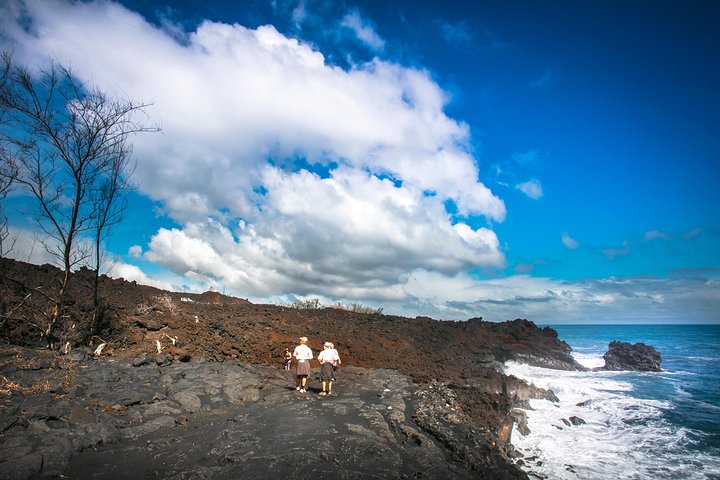
What makes bus tours here especially effective is the layering of interpretation with access: guides are often local—ecologists, cultural practitioners, former farmers—who can translate volcanic geology, coffee-growing practices, and Native Hawaiian history into observations you can see, smell, and taste. Stops are rarely arbitrary; they’re curated to show contrasts: a viewpoint where black volcanic outcrops meet palm-edged coves, a small-donor-run coffee farm with a tasting under a tamarind tree, and a conservation stop on the fringes of Hakalau Forest National Wildlife Refuge where rare birds and native plants reveal the island’s ecological stakes. The rhythms of the coastline—waves, weather, and whales in winter—are as much part of the narration as human stories about plantation-era changes and the shift to boutique agriculture.
Bus touring in Hakalau also invites complementary outdoor activities without demanding heavy gear or advanced fitness. Short guided beach walks, accessible boardwalks into forested reserves, gentle coffee-farm strolls, and curated roadside waterfall stops make these excursions suitable for multigenerational groups. For travelers keen to mix modes, many operators pair the bus itinerary with short hikes, snorkeling at nearby coves, or island-hopping boat departures—so a day tour can be both panoramic and tactile. Importantly, bus tours here often emphasize sustainability: small-group limits, on-site stewardship fees that go to habitat protection, and partnerships with local growers and cultural practitioners help keep economic benefits local while minimizing footprint.
Finally, Hakalau’s bus tours are practical travel solutions for visitors who want to see the island beyond the resort corridor without renting a car or navigating unfamiliar, winding roads alone. The driving is scenic and occasionally serpentine, but done at a pace that allows the landscape to unveil itself—cloudbursts, sunlit valleys, and, if you’re lucky, a breaching humpback far offshore. For anyone who prefers to learn as they look, and to arrive relaxed rather than road-fatigued, Hakalau’s guided bus itineraries are an elegant way to experience the Big Island’s east-coast mysteries and pleasures.
Local guides blend natural history, cultural context, and practical logistics—making stops meaningful rather than merely photo opportunities.
Tours scale from short half-day coastal drives to full-day immersive routes that include upland preserves and farm visits.
The harbor is the gateway, and the Pacific becomes the classroom.
Many operators design routes to minimize environmental impact and support local conservation and agritourism partners.
Choose by purpose
Whale watching, snorkeling, sunset sailing, cultural canoeing, harbor sightseeing, or private chartering.
Start near the city
Waikiki and Honolulu Harbor are primary hubs, with some trips launching near Hanauma Bay.
Confirm the vessel
Gangways, shaded seating, and boarding requirements vary according to vessel size and operator.