Photography Tours in Hakalau, Hawaii
Hakalau Photography Tour Guide

Photography Tours in Hakalau, Hawaii

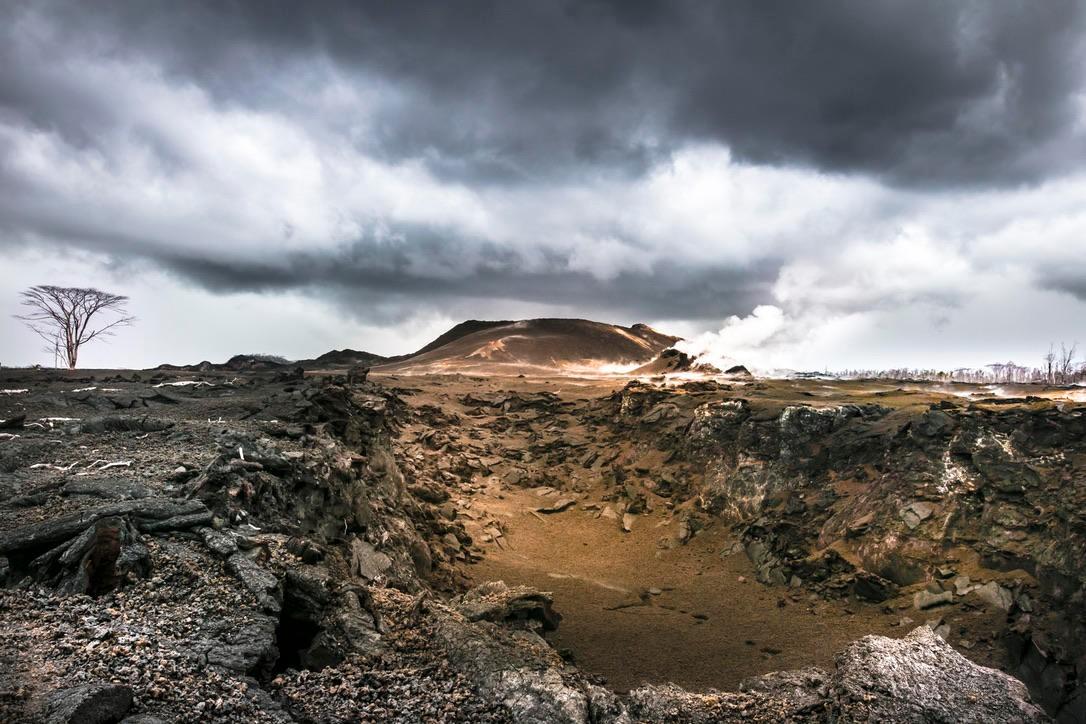
Hakalau is a place where cloud-wreathed ridgelines meet vivid coastal light — a compact, wild corner of Hawaiʻi that rewards photographers with native forest birds, misty vistas, and dramatic shoreline contrasts. Photography tours here prioritize light, timing, and habitat access: sunrise fog in the uplands, intimate bird portraits in native koa and ʻōhiʻa stands, and moody coastal frames at Hakalau Bay.

Hakalau Forest National Wildlife RefugeHamakua CoastHakalau Bay

Live destination inventory

Top Photography Tour Trips in Hakalau

14 trips · Book with confidence · Instant confirmation

The prototype intentionally does not invent replacement trip cards or add images that are not already part of the live source page.

The city from the water

Why Hakalau Is a Standout Spot for Photography Tours

Hakalau sits on the windward spine of Hawaiʻi Island where the ocean-driven trade winds meet steep volcanic topography, creating a constantly shifting palette of light, cloud, and rain. For a photographer, that dynamic weather is a creative asset: low cloud layers slide through native ʻōhiʻa and koa canopies to produce directional, soft light ideal for intimate forest portraits and close-focus bird photography; within hours the same scene can clear to dramatic backlit ridgelines that silhouette against a cobalt sky. The result is variety in a compact geography — you can shoot pale, diffused upland forest scenes in the morning, then descend within an hour for stark coastal compositions at Hakalau Bay in late afternoon. Beyond the light, Hakalau offers subject matter that feels distinctively Hawaiian. The Hakalau Forest National Wildlife Refuge protects critical habitat for some of the islands’ most sought-after endemic birds: ʻapapane, ʻiʻiwi, amakihi, and several endangered honeycreepers. On guided photography tours, skilled local guides not only know where these birds feed and perch but how to position you for nonintrusive portraits that respect behavioral cues and refuge regulations. That combination of ethical approach and local knowledge transforms a shoot from lucky encounters to deliberate creative opportunities. Additionally, the Hamakua Coast — a short drive away — offers black-lava outcrops, reef-framed bays, and waterfalls that provide contrasting coastal frames for environmental portraits, long exposures, and telephoto work on seabirds. Hakalau’s scale encourages a layered approach to planning: half-day sunrise or sunset tours work well for landscape-focused shooters who want to chase peak light without full-day logistics, while multi-hour upland sessions give wildlife photographers time to learn habits and refine composition. A photography tour here is often equal parts scouting and shooting; guides will read weather, select vantage points, and adapt itineraries based on cloud cover, wind, and bird activity. For travelers who want to pair photography with other outdoor pursuits, Hakalau positions you near short coastal hikes, waterfall access points, and cultural stops in nearby Hamakua towns — so you can interleave landscape, wildlife, and cultural imagery across a single day. Ultimately, Hakalau rewards patience and observation: shoot shallow-depth bird portraits under canopy light, then flip to wide-angle to place those birds in the context of Hawaiʻi’s rugged, rain-etched mountainside — the juxtaposition is what makes this place a genuinely rich field for photographers.

Local guides are integral: they handle access, timing, and ethical considerations so you can focus on composition and light. Many guides also provide insights on native ecology that deepen photographic intent.

Because habitats range from misty uplands to exposed coast, a single tour may involve varied footwear, camera setups, and weather planning — versatility is rewarded.

Activity focus

Choose by purpose

Whale watching, snorkeling, sunset sailing, cultural canoeing, harbor sightseeing, or private chartering.

Departure hubs

Start near the city

Waikiki and Honolulu Harbor are primary hubs, with some trips launching near Hanauma Bay.

Accessibility

Confirm the vessel

Gangways, shaded seating, and boarding requirements vary according to vessel size and operator.
Seasonal planning

Best Time to Visit

Hakalau is warm year-round, but wind, swell, migration, visibility, and demand change the best match between traveler and trip.

Hakalau boat tour
Year-round destination

Seasonal highlights change the reason to go

Winter favors humpback encounters; warmer, calmer months favor snorkeling visibility and smoother water.

Humpback season

Winter through spring brings active bird behavior and, along the coast, seasonal swell and whale activity that attract photographers.

Prime whale watching, winter holidays, higher demand, and earlier sell-outs.

Snorkeling window

April–May–September–October–November

Typically gentler seas and clearer water for snorkeling trips.

Weather notes

Trade winds year-round

Hakalau experiences a tropical, windward climate with frequent morning low clouds and localized afternoon showers. Upland areas are cooler and mistier than the coast. Trade winds can produce dramatic cloud movement; mornings often offer the calmest light for bird activity.

Quieter opportunities

Late spring & summer weekdays

Wet months yield ethereal mist and fewer visitors—ideal if you welcome moody, intimate forest images. Expect mud and more frequent closure notices in heavy-rain periods.

Match the trip to your comfort

Choose Your Experience Level

Low effort

Beginner

Short sunrise/sunset landscape sessions and guided coastal walks focusing on composition and basic camera controls.

  • Sunrise ridgelight session
  • Coastal bay landscape shoot
  • Introductory bird-spotting and composition clinic
Active day trip

Intermediate

Half-day tours combining upland bird photography with landscape framing, moderate hikes, and more time to find subjects.

  • Half-day forest bird workshop
  • Mixed landscape-and-wildlife tour
  • Golden-hour coastal and reef compositions
Longer or technical

Advanced

Full-day field sessions emphasizing behavior study, fast-action birdwork, and low-light strategies; may include private guide support and customized direction.

  • Full-day endemic bird immersion with blind setups
  • Advanced low-light forest techniques
  • Multiday itinerary combining Hakalau uplands and Hamakua Coast

Prepare for sun, spray, and swell

What to Bring

Essential

Core kit

  • Camera body and at least one telephoto lens (200–600mm range recommended for birds)
  • Sturdy but lightweight tripod for low-light forest scenes and long exposures
  • Polarizer and neutral-density (ND) filter for coastal and waterfall shots
  • Rain protection for camera (rain cover) and layers—upland mornings can be wet and cool
  • Comfortable hiking shoes with grip and ankle support
Recommended

Useful extras

  • Short, long, and variable focal-length lenses: 24–70mm for landscapes, 70–200mm for mid-range, 300–600mm for birds
  • Portable blind or shooting stool for low-angle wildlife portraits (if permitted)
  • Lens cleaning kit and silica packets for humid conditions
  • Spare batteries and memory cards (cold damp reduces battery life)
  • Compact headlamp or flashlight for pre-dawn starts
Optional

Trip-specific

  • Binoculars to scout birds and distant subjects
  • Lightweight rain jacket for yourself
  • Field guide or app for Hawaiian birds and plants
  • Remote shutter release for long exposures and minimizing camera shake
Confirm refuge access and seasonal closures before you go; respect wildlife distances and avoid flash with nesting birds.

Insider Tips & Local Knowledge

Reserve whale-watching and popular sunset cruises well ahead during December–April.
Choose morning snorkeling departures for calmer seas and better underwater visibility.
For motion sensitivity, choose a larger vessel, sit mid-ship, and take preventative medication before boarding.
Do not touch coral or wildlife, avoid standing on reefs, and use reef-safe sunscreen.
Community-based operators may add context about traditional navigation and stewardship.
Arrive early for parking and check-in because Waikiki departure areas can be busy.

Planning questions

Frequently Asked Questions

Public areas are accessible, but some sections of the refuge have restricted access to protect sensitive habitat. For any specialized access or commercial shoots, contact refuge management. For most guided tours, the guide handles permits and compliance.
Photography Tours in Hakalau, Hawaii
Ready for your photography tour adventure?

Browse 14 verified trips in Hakalau.

Compare current availability and book with instant confirmation.

Explore Hakalau photography tour