Dolphin Watching & Swimming in Haleiwa, Hawaii
Haleiwa Dolphin Guide

Dolphin Watching & Swimming in Haleiwa, Hawaii

Haleiwa’s shoreline is a doorway to the Pacific’s most charismatic residents. Whether you want a shoreline glimpse from a surf break, a gentle paddle alongside a pod on a stand-up board, or a guided snorkel swim with curious dolphins, the North Shore’s clear, reef-sculpted waters deliver intimate encounters framed by the island’s coastal panoramas.

North ShoreHaleiwa HarborWaimea Bay

Live destination inventory

Top Dolphin Trips in Haleiwa

70 trips · Book with confidence · Instant confirmation

The prototype intentionally does not invent replacement trip cards or add images that are not already part of the live source page.

The city from the water

Why Haleiwa Is a Standout Dolphin Destination

Haleiwa sits at a confluence of reef, drop-off, and seasonal swell—the kind of coastline that creates pockets of calm offshore where marine life gathers. For travelers seeking dolphin encounters, that mix matters. Shallow fringing reefs give way to deeper channels just off the beaches, producing feeding lanes and play zones where spinner and bottlenose dolphins often appear to wheel, leap, and ride the current. The experience here is rarely the distant, fleeting fin; it tends to be unhurried and close enough to feel connective without being intrusive. Walk around Haleiwa Harbor at dawn and you’ll sense how the town’s surf-and-sea culture shapes the encounters. Local guides who grew up on the North Shore read the ocean like a map—they know which coves shelter pods, which wind directions coax dolphins closer to shore, and when the current will carry them away. Those relationships between people and place are part of the story: tours are often small and practiced; kayaks, SUPs, and low-profile skiffs let visitors slip into the water quietly, increasing the chance of natural, mutual curiosity rather than stress. Beyond the animal spectacle, dolphin trips in Haleiwa layer in the island’s ecology and culture. Guides will point out coral gardens, fish species, and the coastal geological features that create the animals’ world. On some outings you can pair dolphin watching with snorkeling, tide-pool exploration, or a surf lesson—activities that turn a single encounter into a fuller sense of the North Shore’s living shoreline. And because Haleiwa is a working coastal community, there’s a practical rhythm to planning: early mornings bring the calmest seas and the best light for photography; afternoon winds and winter swells change the character of outings and open other possibilities, like watching pods from protected lookouts or combining sightings with big-wave surf viewing. Finally, the ethics of wildlife outings receive frequent attention here. Respectful viewing—keeping a measured distance, minimizing time in the water with a pod, and choosing operators who follow local guidelines—preserves the animals’ behavior and the quality of future experiences. For travelers, Haleiwa offers something rare: an opportunity to meet dolphins in a setting where the ocean feels both intimate and vast, where encounters are shaped by local knowledge, and where the surrounding activities—surf, snorkel, paddle—make a day on the water feel complete.

The North Shore’s coastal anatomy—reef flats, reef pass, and offshore channels—creates predictable zones for dolphin activity; skilled guides use that predictability to plan ethical, low-impact encounters.

Encounters here favor small-group formats. Kayak and SUP tours offer quieter proximity than large tour boats and often produce the most natural interactions.

The harbor is the gateway, and the Pacific becomes the classroom.

Dolphin viewing in Haleiwa pairs naturally with snorkeling, reef ecology lessons, and even surf watching during the winter swell season.

Local conservation groups and operators emphasize no-chase policies and limits on time in the water to protect dolphins’ natural behavior.
Activity focus

Choose by purpose

Whale watching, snorkeling, sunset sailing, cultural canoeing, harbor sightseeing, or private chartering.

Departure hubs

Start near the city

Waikiki and Honolulu Harbor are primary hubs, with some trips launching near Hanauma Bay.

Accessibility

Confirm the vessel

Gangways, shaded seating, and boarding requirements vary according to vessel size and operator.

Seasonal planning

Best Time to Visit

Haleiwa is warm year-round, but wind, swell, migration, visibility, and demand change the best match between traveler and trip.

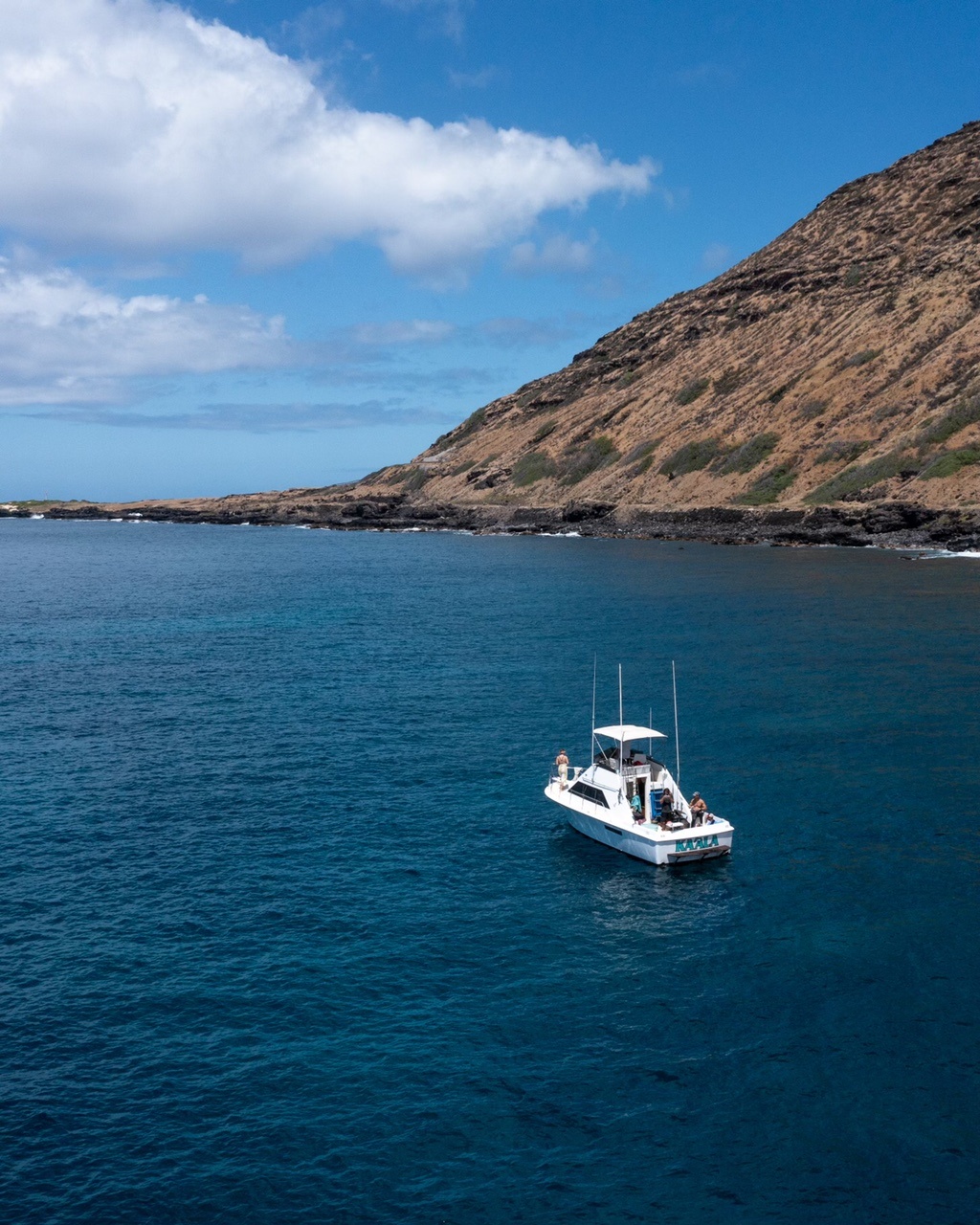
Haleiwa boat tour
Year-round destination

Seasonal highlights change the reason to go

Winter favors humpback encounters; warmer, calmer months favor snorkeling visibility and smoother water.

Humpback season

Summer months (June–August) for calmer ocean conditions and high tour availability.

Prime whale watching, winter holidays, higher demand, and earlier sell-outs.

Snorkeling window

May–June–July–August–September

Typically gentler seas and clearer water for snorkeling trips.

Weather notes

Trade winds year-round

Late spring through early fall generally brings calmer seas and lighter winds—conditions favorable for close dolphin encounters. Winter months can produce larger surf and windier afternoons; sightings still occur but operators may alter itineraries or choose more sheltered launch points.

Quieter opportunities

Late spring & summer weekdays

Winter brings iconic big-wave surf on the North Shore; if weather permits, combine shore-based sightings with landward viewing points or choose sheltered harbor launches for marine tours.

Match the trip to your comfort

Choose Your Experience Level

Low effort

Beginner

Ideal for casual travelers or families: shore-based sightings, short harbor cruises, and guided SUP or tandem-kayak outings in calm conditions.

  • Harbor dolphin-watching cruise
  • Guided stand-up paddleboard tour in protected waters
  • Shoreline wildlife viewing at low swell
Active day trip

Intermediate

For active travelers comfortable on the water: multi-kayak routes, guided snorkel swims with brief in-water time near pods, and small-boat eco-tours.

  • Morning kayak trip to common dolphin zones
  • Guided swim-and-snorkel with surface intervals
  • Half-day eco-boat tour combining dolphins and reef exploration
Longer or technical

Advanced

For seasoned ocean-goers: longer open-water paddles, opportunistic sighting trips that require navigation in variable conditions, and multi-activity sea days combining snorkeling, freediving, and distant viewing.

  • Open-water SUP or kayak paddles beyond the reef pass
  • Full-day expedition combining dolphin zones and remote snorkel sites
  • Photography-focused charters in variable swell conditions

Prepare for sun, spray, and swell

What to Bring

Essential

Core kit

  • Reef-safe sunscreen (no oxybenzone or octinoxate)
  • Light, quick-dry swim layer and swimwear
  • Personal flotation device if required by tour operator
  • Waterproof dry bag for phone/keys/camera
  • Reusable water bottle and light snack
Recommended

Useful extras

  • Mask, snorkel, and fins if you plan to snorkel (many operators allow BYO gear)
  • Waterproof camera or phone housing
  • Light rash guard for sun protection
  • Wide-brim hat and sunglasses with retainer for boat time
Optional

Trip-specific

  • Binoculars for distant sightings
  • Small reef-safe lip balm and moisturizer
  • Microfiber towel
  • Light shell or wind layer for cooler mornings
Prioritize operators who emphasize animal welfare and small-group experiences.

Insider Tips & Local Knowledge

Reserve whale-watching and popular sunset cruises well ahead during December–April.
Choose morning snorkeling departures for calmer seas and better underwater visibility.
For motion sensitivity, choose a larger vessel, sit mid-ship, and take preventative medication before boarding.
Do not touch coral or wildlife, avoid standing on reefs, and use reef-safe sunscreen.
Community-based operators may add context about traditional navigation and stewardship.
Arrive early for parking and check-in because Waikiki departure areas can be busy.

Planning questions

Frequently Asked Questions

Permit requirements for interacting with marine mammals can vary; check with your chosen operator and local regulations. Many reputable operators follow voluntary or legal distance and interaction guidelines to protect wildlife.
Dolphin Watching & Swimming in Haleiwa, Hawaii
Ready for your dolphin adventure?

Browse 70 verified trips in Haleiwa.

Compare current availability and book with instant confirmation.

Explore Haleiwa dolphin