Why Haleiwa Is a Standout Scuba Destination
Haleiwa is often spoken about in terms of surf—the north shore’s winter swells are iconic—but beneath the cresting waves there’s a quieter, intimate world where lava-sculpted reefs, kelp-like algae forests, and schools of reef fish create paragraph after paragraph of marine story. For divers, Haleiwa offers contrasts: in summer the Pacific calms, visibility lengthens into the high teens or beyond, and shallow reef systems that fringe the coastline reveal intricacies of coral growth, small critters and resident honu (sea turtles). In the shoulder months visibility can be excellent and dive operators run frequent morning trips that thread along protected ledges and into lava tubes carved by millennia of volcanic activity.
The diving here isn’t about massive drop-offs or ultra-deep walls; it’s an exploration of structure and life. Lava shelves and bommies create pockets for crustaceans and octopus, while expansive reef flats support parrotfish, unicornfish, and the occasional eel. Because Haleiwa sits on Oʻahu’s north shore, the dive experience is yoked to ocean temperament: winter swells reshape the shoreline and can limit access to many sites, while summer ushers in calmer water and safer shore entries. That rhythm shapes both the conservation ethic and the local dive culture—operators prioritize site-appropriate scheduling, and many sites are inside or adjacent to marine-managed areas where responsible diving practices are emphasized.
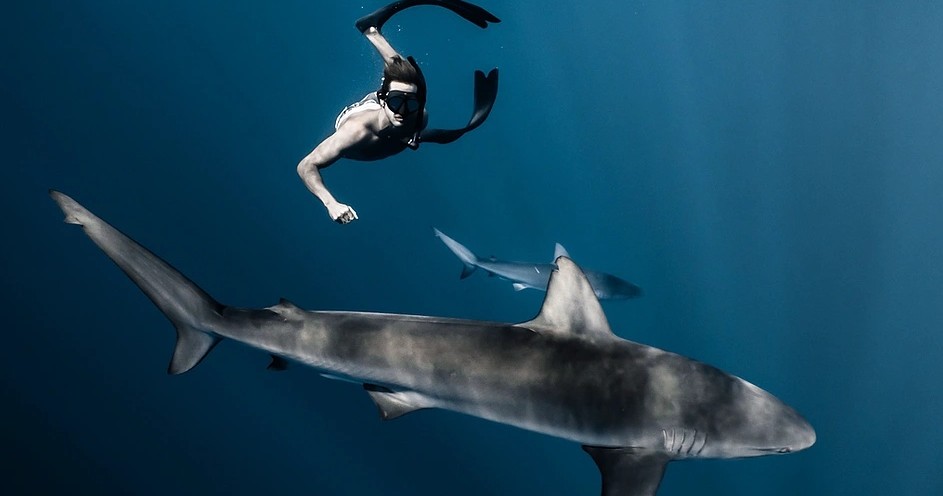
Culturally, the water around Haleiwa is ancestral terrain. Native Hawaiian relationships with the sea are woven into place names, fishing practices, and stewardship traditions like kapu and mālama ʻāina. Divers who surface with a bit of historical context will find the experience richer: reefs are not just habitat, they are part of living islands, and many local operators fold cultural education and conservation messaging into briefings. Complementary activities—snorkeling for families in calmer bays, freediving clinics to sharpen breath-hold skills, and shoreline hikes that reveal tidepool ecology—pair naturally with scuba, offering multiple ways to engage with the marine environment depending on ability and comfort.
Practically, Haleiwa is accessible from Honolulu in under an hour by car, which makes it an excellent base for repeat dives across a season. Local dive shops provide guided shore dives, small-boat runs to nearby protected spots, and specialty trips for underwater photography and night dives—when conditions allow. For travelers planning a scuba-focused trip, the key considerations are seasonality, operator choice, and a clear understanding of your certification and experience relative to currents and entry technicality. The reward—quiet reefs, curious turtles, and lava-formed underwater topography—makes the attentiveness worth it.
The North Shore’s seasonal swing defines access: summer brings calm, reliable visibility and more sheltered shore entries; winter’s surf can make diving limited to protected pockets or require boat transport.
Haleiwa’s reefs are biologically productive but not congested; many sites are best experienced with a local guide who knows subtle current patterns and micro-habitats.
Complementary activities include snorkeling at shallower protected spots, guided freedives, coastal hikes with tidepool viewing, and surf-watching from shore when the swell picks up.