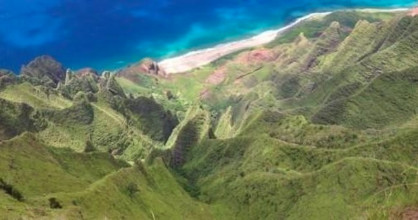
Why Hanapepe Is a Standout Hiking Destination
Hanapepe is a small town with an outsized relationship to the wild country that frames it. A short drive upslope becomes a study in contrasts: sugar-brown cliffs give way to jade gullies, the coastal wind is replaced by cathedral-like stands of ʻōhiʻa and koa, and the scent of salt shifts to the damp earth of cloud-fed forests. Hikers here move through a geography carved by water and time — Waimea Canyon’s layered red walls, the narrow ridgelines of Kōkeʻe, and the hidden stream chutes that pour into waterfalls after heavy rain. Trails range from short, interpretive loops and easy coastal walks to challenging backcountry routes that demand good navigation and weather sense.
The cultural thread is important. Hanapepe sits in a landscape shaped by native Hawaiian history and later plantation-era settlement; footprints on these trails are layered with stories of place. Many routes offer glimpses of historic irrigation features, old footpaths, and panoramic viewpoints that were strategic lookout points for centuries. The island’s subtropical climate keeps trails lush and alive year-round, but it also makes them dynamic: a mild, sunny morning can turn into a rain-soaked afternoon and leave roots and red soil slick with mud. For that reason, the best hiking here blends curiosity with preparation — a readiness to adjust plans, to move deliberately where the trail narrows, and to carry basic emergency items even for half-day trips.
What draws people to Hanapepe is a feeling of scale. From vantage points along canyon rims you can read the geology of Kauai in sweeping bands of color; on coastal scrambles you watch waves attack sea cliffs that have resisted millennia of swells. Visiting hikers often pair foot travel with complementary pursuits: a morning tidepool exploration or snorkel along the shore, an afternoon paddle down a calmer inlet, or a scenic drive across Waimea Canyon followed by a short, steep descent to a waterfall. The area rewards multisensory travel — hearing the jungle creak, tasting salt on the breeze, seeing the sudden flare of a wildflower against volcanic rock — and asks for a modest humility about weather, terrain, and local ecology.
Accessibility is straightforward: Hanapepe is a manageable hub with food, art galleries, and basic services, while trailheads for larger systems like Waimea Canyon and Kōkeʻe are within a 30–60 minute drive. Many hikes are suitable as day trips from Hanapepe if you have a car or book local transport.
Because trails traverse exposed ridge lines and dense forest, timing is everything. Start early to avoid trade-wind squalls and to see waterfalls at their best after overnight rain. Leave no trace and respect private property — some access routes and overlooks are adjacent to working agricultural land and local residences.