Why Hanapepe Is a Standout Whale Watch Destination
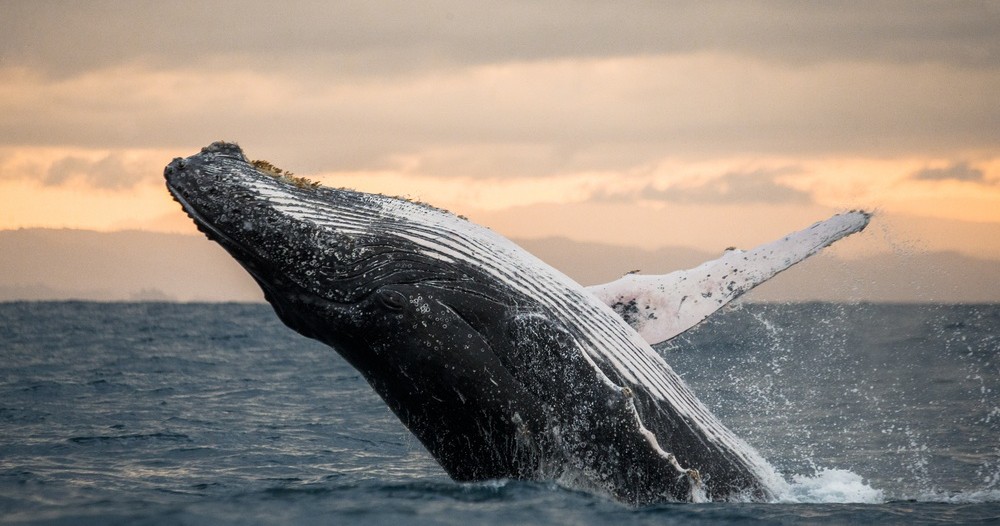
Hanapepe sits at the edge of Kauaʻi’s southwesterly swell lines, a small-town doorway to deep ocean terrain that funnels migrating humpbacks closer to shore. There’s an immediacy to whale watching here that feels less like spectacle and more like an invitation: skippers thread quiet channels and local knowledge places you near whale resting areas, bubble-net feeding lanes, and the occasional acrobatic breach that launches out of the water like a living sculpture. The town itself—known for its historic bridge, art galleries, and market—belies the wild activity offshore; on any winter morning the steady churn of boats heading seaward contrasts with the hush that falls when a whale surfaces nearby.
Seasonality shapes everything. From December through April, adult humpbacks return from Alaskan feeding grounds to the warmer Hawaiian waters to breed, give birth, and nurse calves. Sightings are most frequent in January through March, when mother-calf pairs and courting groups concentrate in protected bays and along offshore banks. Weather and swell influence both comfort and sighting rates: calmer mornings often yield longer, closer encounters, while trade winds and swell can push animals farther offshore or make the sea choppier for small craft. The coastal geography near Hanapepe—shelves, channels, and deeper drop-offs—creates predictable movement corridors that experienced guides read like a map.
But this is not merely a photo op. Whale watching in Kauaʻi is threaded with cultural and environmental meaning. Hawaiian communities hold deep respect for the iliʻaina (the sea) and the ocean’s seasonal guests. Many charter operators pair sightings with education—songs (mele), local history, and explanations of how humpbacks use sound and space. Conservation is equally central: there are strict federal and state approaches to safe viewing distances and disturbance, and local operators emphasize noninvasive observation. For travelers this means a better quality of encounter: vessels that slow down, observers who keep binoculars ready, and crews who know to hold quiet when whales surface.
Complementary experiences extend the day beyond the watch. If conditions allow, many visitors combine whale watching with snorkeling in sheltered coves (when permitted), coastal hikes that offer cliffside vistas, or an evening in Hanapepe’s galleries and food stands. Birdwatchers find winter seabirds alongside the cetaceans, and photographers prize the soft winter light that sculpts whales’ wet bodies against volcanic ridgelines. Whether you’re chasing the drama of breaches, seeking the steady intimacy of a mother-and-calf pair, or simply wanting a marine-education cruise, Hanapepe’s whale-watch offerings balance cinematic moments with quiet, respectful discovery.
Local operators range from fast, small-group vessels to more stable, educational catamarans—choices that matter for comfort, viewing, and sea-sickness risk.
The seasonal migration concentrates marine life close to shore, which makes Hanapepe an efficient base for half-day excursions and morning runs when seas are calmest.
Conservation and cultural interpretation are woven into most reputable tours; respectful viewing practices keep whales safe and encounters meaningful.